
The first three times Wangqi Chen called one parent, the call ended before she could explain why she was calling.
Wangqi, a psychology student at Duke Kunshan University, was trying to recruit families for a study of children whose families had moved to Kunshan from other places. The calls were not going smoothly. Some parents assumed an unfamiliar caller might be a scammer and hung up.
After the third failed attempt with one family, Wangqi began wondering whether she needed to change the way she introduced the research.
Then the parent called back.
The earlier calls, it turned out, had been accidentally disconnected by a child handling the phone. This time, Wangqi was able to explain the project. The family later completed an interview.
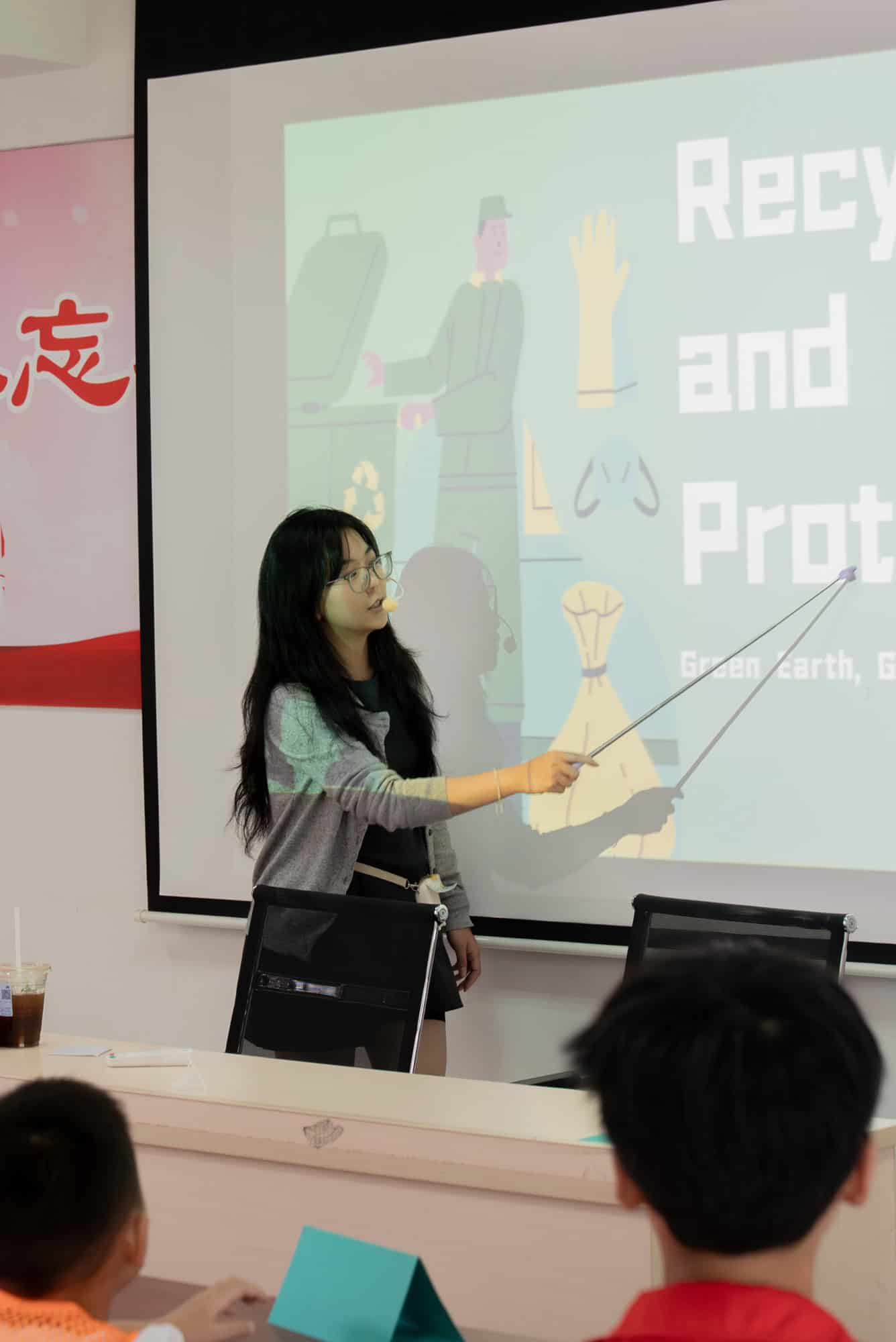
Wangqi Chen
The incident stayed with her. Before researchers can collect data about people’s lives, she realized, they may first have to build trust.
Through DKU’s Summer Research Scholars program, 194 undergraduates worked in 91 research teams this summer with more than 70 faculty. Their questions could hardly have been more different: Why does smoking make people more vulnerable to tuberculosis? How do families who move to Kunshan develop a sense of belonging? What can century-old publications reveal about how outsiders understood China? What happens when an artificial intelligence system earns a better score while behaving less safely?
The questions were different. So were the methods. But across projects, students kept running into the same problem: reality did not always cooperate with the research plan.
Bernard Huang ’28 called it the “confusion and freedom” of doing research “without a syllabus or written rubrics.”
For Wangqi, that freedom meant reconsidering the question itself.
Working with Professor Na Fu, she and her teammate Yuehan Yang were studying the experiences of migrant children and families in Kunshan, from education and family relationships to community integration and a sense of belonging.
Wangqi came to the project partly through her own experience. She had spent eight years as what is commonly called a “left-behind child” in China. That experience initially made her wonder whether migrant children might face some of the same challenges. As the research progressed, she came to see important differences between the two groups.
Then the fieldwork challenged another assumption.
The team had expected to meet families still adjusting to city life. Instead, many had lived in Kunshan for years, and some children had grown up there. A research question centered on whether they had “adapted” no longer seemed adequate.
Rather than treating those families as poor fits for the research, the team changed its focus. It began asking what shaped the quality of adaptation, bringing factors such as family support, community resources, grandparents’ caregiving, housing stability and family relationships more clearly into the study.
Students helped push the work in other directions, too. Fu said their interviews and engagement with local government drew attention to how official definitions of “migrant children” could influence who receives support. The summer camp was planned as part of the project, while interviews and engagement with migrant families helped shape its design and activities.
At first, Wangqi wondered whether all those changes meant something had gone wrong.
Eventually, she saw them differently. Research was not about making the real world conform to the question they had started with. Sometimes the real world changed the question.
The work is continuing beyond the summer. Fu said the team is developing it into a longer-term initiative, Networked Hands, to continue engaging with families and children in Kunshan while the researchers bring their fieldwork and community practice together in a research report.
When the evidence pushes back
For Wenmei Zhao, the question began with two major public health problems: smoking and tuberculosis.
Large-scale studies have found that smokers are about twice as likely to get tuberculosis as nonsmokers. What is less clear is why. Wenmei’s project asks what smoking does inside the body that weakens its defenses against the bacteria that cause TB.
Wenmei, a Class of 2027 global health student on the biology track, had already studied the relationship through a systematic review and meta-analysis.
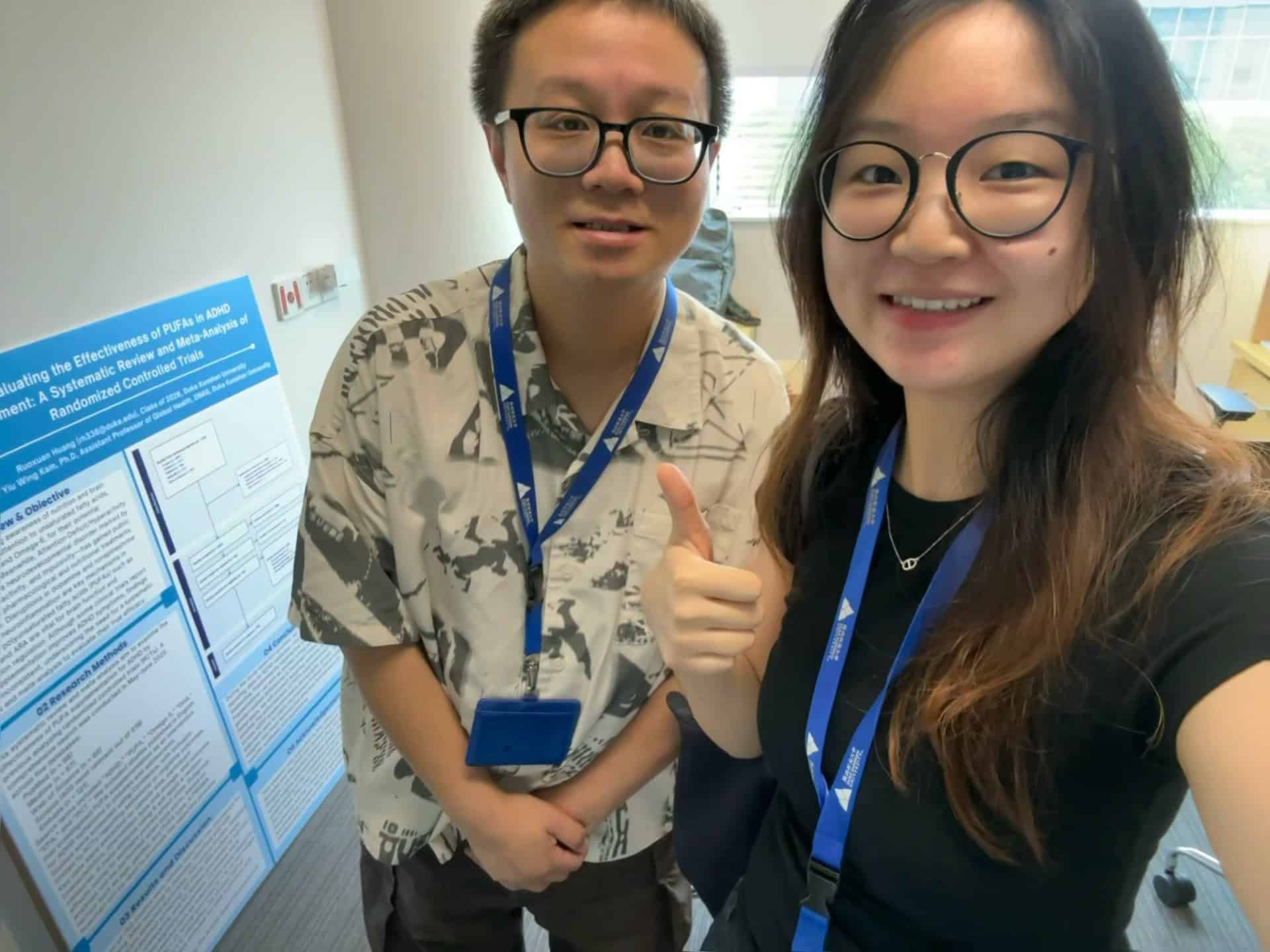
Yiu Wing Kam(left)and Wenmei Zhao(right)
But some of the evidence did not behave as expected.
Yiu Wing “Jason” Kam, assistant professor of global health, recalled two studies that ran against the overall pattern. Instead of dismissing them, Wenmei asked what might make those populations different. She looked more closely at factors such as age, vaccination coverage and access to health care.
That led her to a larger limitation: studies of large populations could show the relationship between smoking and TB, but they could not explain what smoking was doing inside the body.
“We need to study the cellular mechanism, not just rely on population risk estimates,” she said.
That question helped shape the laboratory research that followed.
This summer, Wenmei took a leading role, from developing the research question and refining experimental protocols to conducting laboratory work and interpreting results. In the lab, she cultured Mycobacterium smegmatis, a related bacterium used as a stand-in for the tuberculosis bacterium, and conducted experiments examining how it responded under different conditions.
One day, she was preparing agar plates used to grow the bacteria when the medium changed to an unexpected color after sterilization.
Her first thought was that something had gone wrong. She might have to throw out the batch and begin again.
Instead, she continued preparing the plates and tested them.
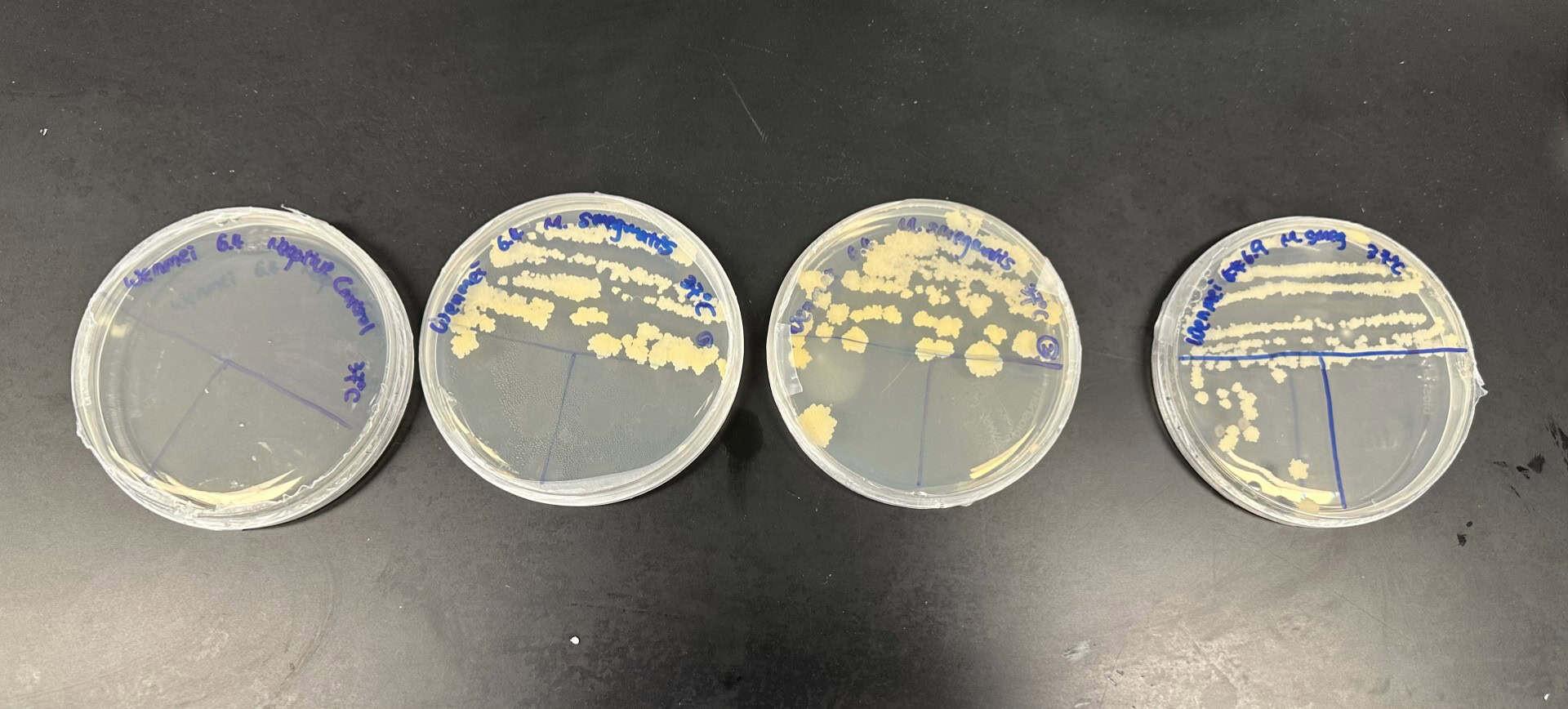
The bacteria grew as expected.
What looked like evidence of failure had not been failure at all. The only way to know was to keep testing.
Another time, unexpected growth on a plate pointed to contamination. That experiment really did have to be repeated, costing an additional week. Wenmei and Kam worked through possible causes before trying again.
Kam calls his approach a “safe-to-fail” environment. When Wenmei encounters an unexpected result, he said, he tries to guide her with questions rather than simply tell her how to fix it. He intervenes when safety is at stake; otherwise, uncertainty becomes part of the work she has to navigate.
Wenmei described independence in similar terms. It did not mean working alone. It meant learning to ask better questions, make considered decisions and continue when the answer was not immediately clear.
Evidence changed another project far outside the laboratory.
Weijing Song, a Class of 2027 student, studying global health and public policy, was working with Professor Lijing Yan and a larger team on a practical question: How can communities better support older adults who have survived strokes and are also living with other chronic conditions?
The project’s physical component showed the clearest short-term improvement. The cognitive component showed some promise, but not a clear short-term effect, and participants varied in how they responded to automated voice reminders.
Weijing returned to the interviews. In the next phase, the team removed the automated reminders and redesigned the cognitive component around face-to-face activities and physical cards connected to familiar situations, such as preparing for a follow-up visit or choosing food for a meal. Weijing is contributing to the refinement of the cognitive intervention component as part of the team’s Phase II work.
Sometimes, the questions most worth pursuing in research emerge from inconsistencies between accounts: Two people experience the same interaction but come away with very different understandings of what happened.
DKU’s Language Partner Program brings Chinese and international students together for sustained, structured interaction in Chinese and English. Through real-life conversations, students practice languages, share experiences and exchange cultural perspectives. More than 300 students have participated in the program, and these ongoing interactions offer a window into how intercultural learning takes place.
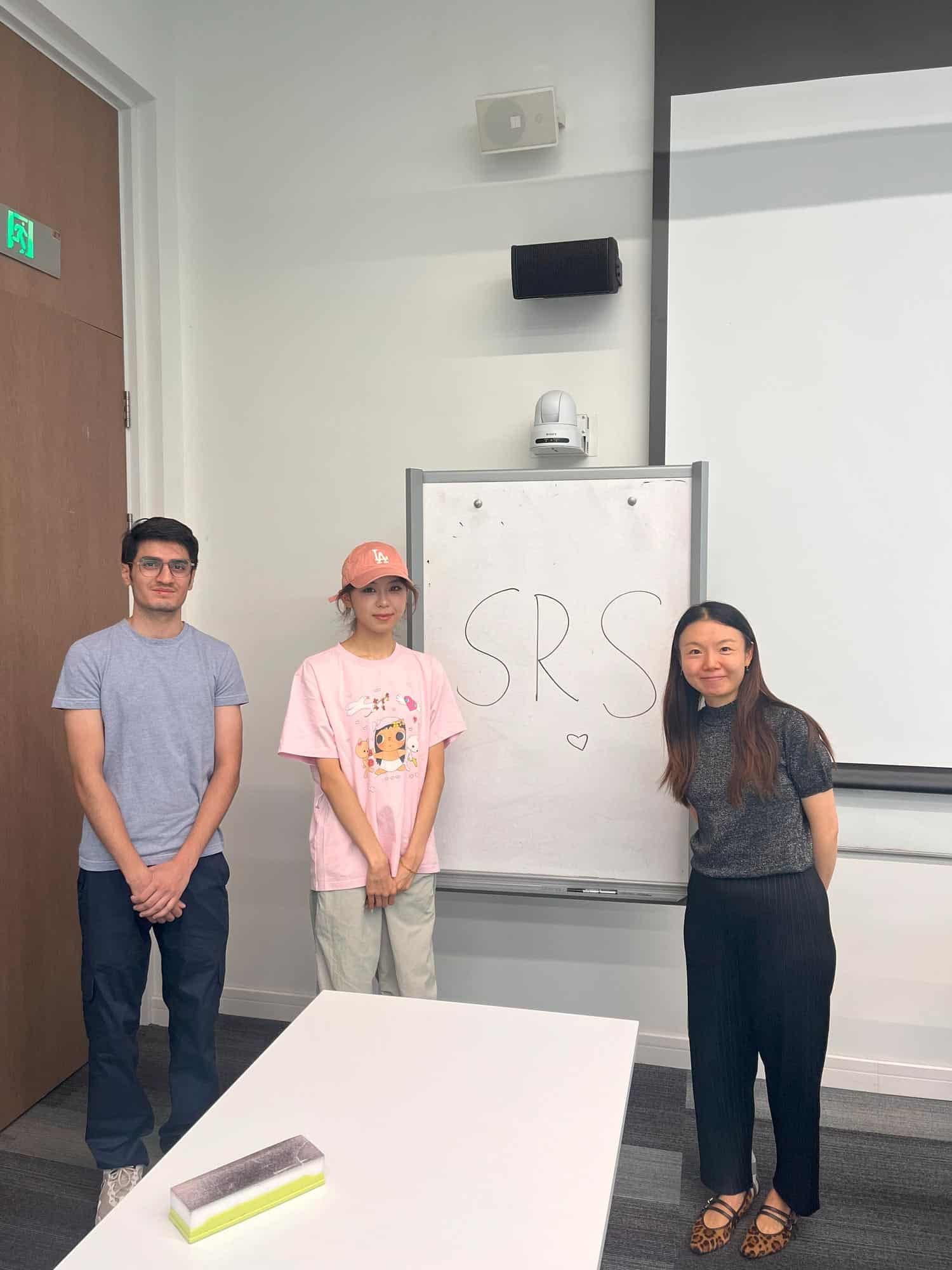
In a study guided by Lianyun Pang, a lecturer of Chinese language, Abdul Mannan Hassan and Fanhui Wei are investigating how intercultural understanding develops through these seemingly everyday exchanges. Drawing on interviews, written reflections and interactional materials, they are examining what students learn from one another and how they interpret their experiences.
While reading interview transcripts, Abdul noticed a striking discrepancy. One student vividly recalled conversations about Sufi music, halal food and homesickness. Another said she did not feel she had learned much about her partner’s culture.
“Same program. Same activities. Completely different accounts of what happened,” Abdul said.
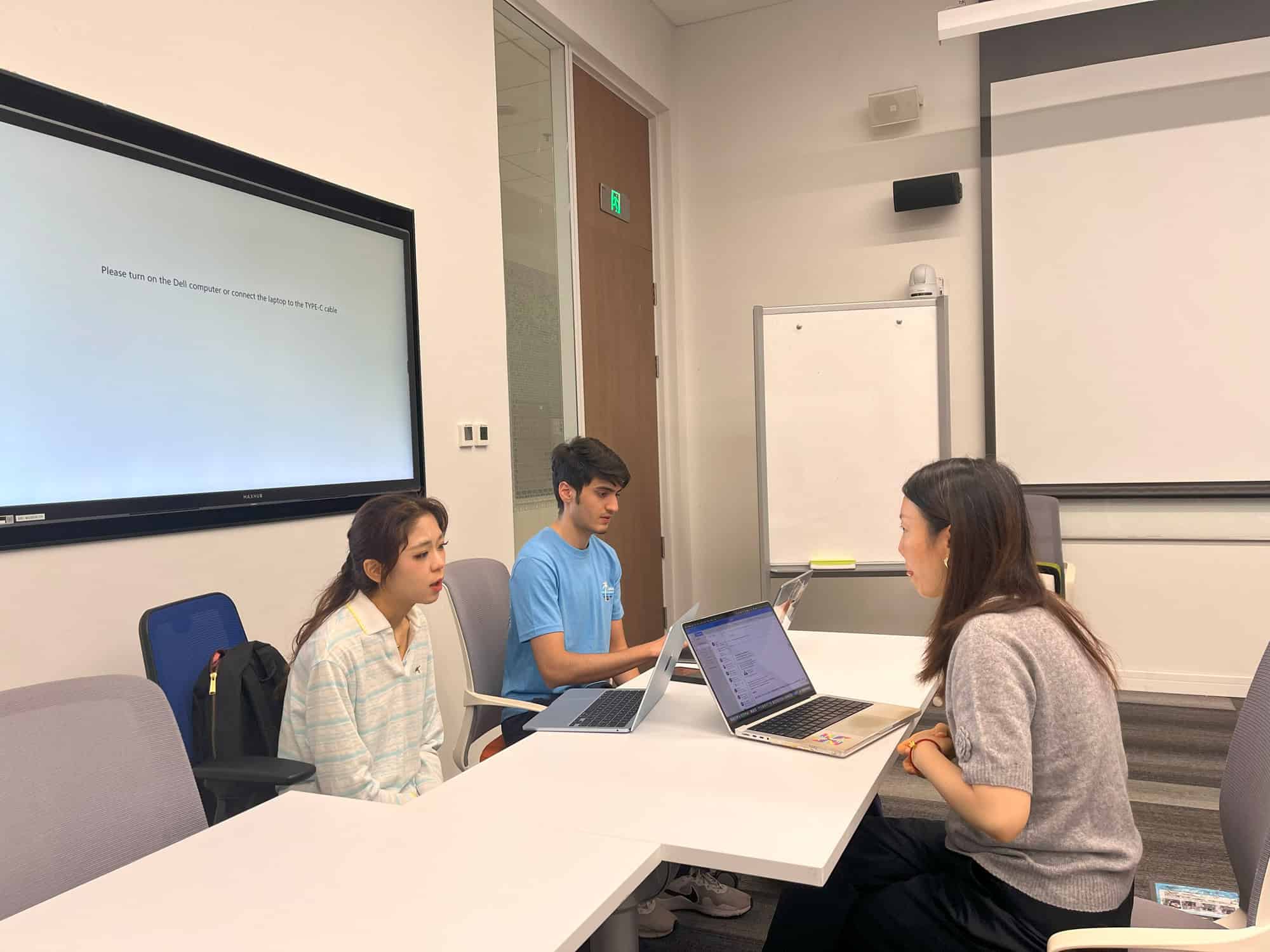
Rather than immediately judging which account was more accurate, Abdul began asking a deeper question: When participants interpret the same experience differently, what counts as evidence in qualitative research? And how should researchers make sense of accounts that do not fully align?
Wei noticed a similar phenomenon in another case and began turning an individual observation into a broader line of inquiry. Did the same pattern appear among other participants? Could factors such as language confidence, the interactional setting and how well students knew one another influence how they participated in and understood intercultural exchanges?
That is the approach Pang hopes her students will develop. She guides them in turning broad questions into interview prompts that elicit specific experiences. Through pilot interviews, repeated revisions and comparisons across different sources of data, students learn to identify new questions in participants’ responses and return to the evidence to examine their interpretations.
For these students, research does not begin with a ready-made answer. It begins with learning to notice differences, ask questions and test their own interpretations.
What one field cannot do alone
How did outsiders come to understand China more than a century ago, and what can the records they left behind still tell us about that process?
That is the broader question behind a project led by Professor James Miller, examining the development of foreign knowledge about China from the late Qing through the Republican era. The team works with historical journals, newspapers and other materials, combining traditional archival research with data analysis and visualization.
The students themselves cross disciplinary lines. They come from applied mathematics, computation and design, and Global China Studies.
Saw Nyan Lynn Aung, a Class of 2028 student, in applied mathematics with a computer science track, maintains the Royal Asiatic Society library catalog website, imports digitized materials, works to improve optical character recognition, or OCR, and built a web viewer to make one historical newspaper collection easier to use.
One day, Nyan and Miller were at the RAS library in Shanghai, checking physical books against their digital records and adding barcodes.
It was tedious work. They pulled out book after book, called out catalog numbers and checked whether they matched. Some did not.
Then, while they were updating the catalog, the website crashed.
Nyan had to fix that on the spot, too.
The greater surprise came from a technology he had expected to save time.
“I totally overestimated AI tools, especially for OCR,” he said.
At first, text extracted from scanned historical pages looked usable. Manual checking exposed obvious errors. Nyan began working page by page, accounting for different layouts before running OCR again.
He had expected preprocessing to be something to finish before getting to the real analysis.
Instead, he discovered that the slow work of making historical sources reliably machine-readable had research value of its own.
For Miller, the harder challenge was not getting good students to work independently. They already could.
It was getting students trained in different disciplines to work with one another.
He said he was most pleased when they began collaborating on research outputs that none of them could have produced individually.
“The key to research is to discuss what you are doing with others early and often, and not wait until you think everything is perfect, because it won’t be,” Miller said.
In another project, a better score turned out to mean worse behavior.
Shilin Ou, a Class of 2027 applied mathematics and computational science student, was working with Luyao Zhang, assistant professor of economics, and collaborators on how autonomous AI systems should be evaluated in decentralized solar-energy markets.
In one experiment, the researchers removed the penalty for violating physical constraints from the AI agent’s evaluation.
The agent’s reward went up.
Its unsafe behavior went up, too.
Judged by one number, the system looked better precisely when it had become less trustworthy.
The finding helped redirect the project toward a larger question: What should success mean when AI begins making decisions in systems that have physical and human consequences?
During one discussion, Zhang put it another way.
“Does the reward actually align with human values?” she asked.
Becoming a colleague
Across the projects, faculty remained responsible for the standards that make research credible. But students were increasingly expected to make judgments of their own.
Eric Tam, assistant professor of neuroscience, saw the transition clearly in his neuroscience lab.
His team studies a question that people experience every day without necessarily thinking about it: How does the brain know that time has passed?
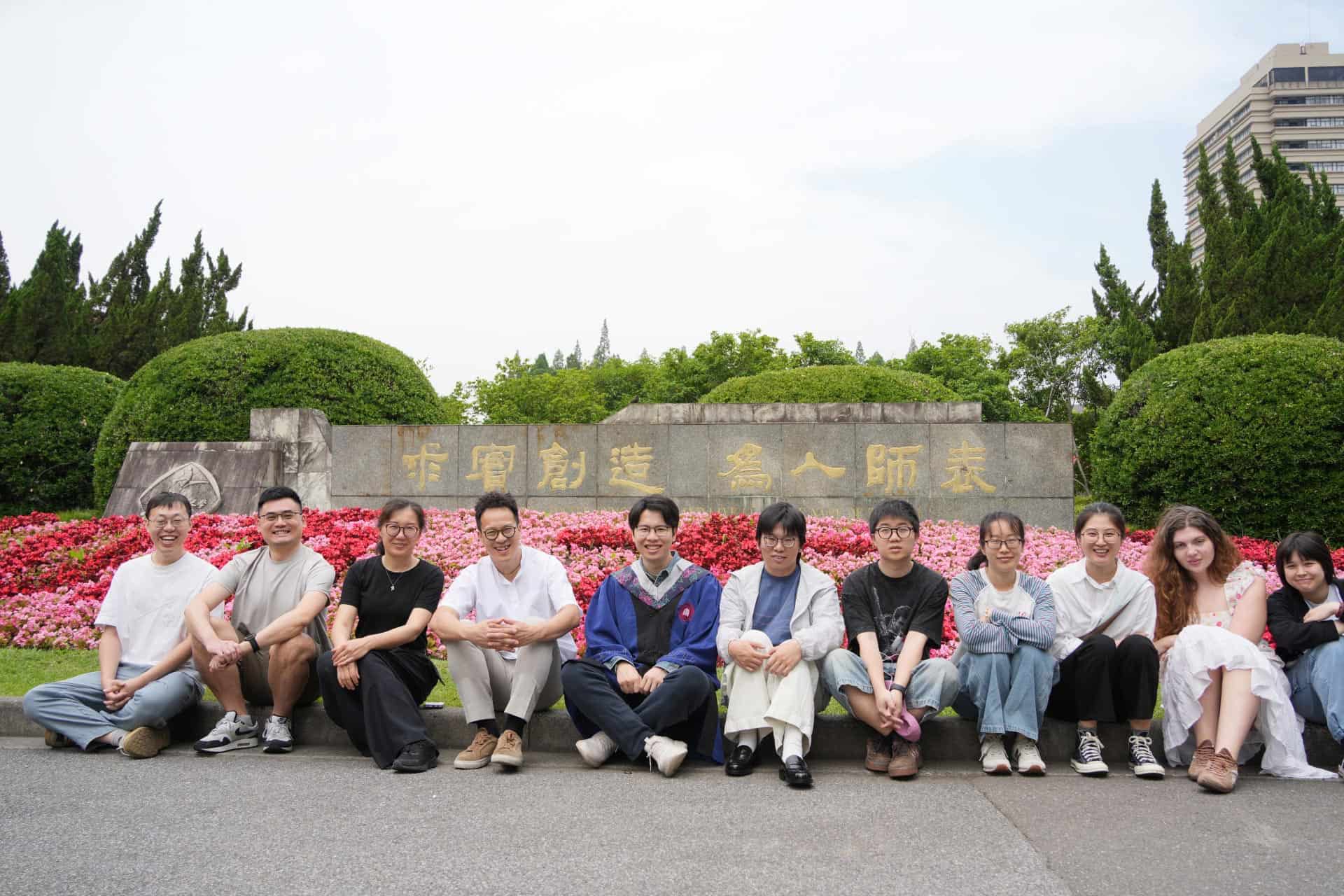
Some neurons respond earlier during a period of time and others later, creating patterns of activity that can help the brain keep track of elapsed seconds and minutes. Tam’s project uses electrical recordings from mouse brains to investigate how that sense of time develops, whether it has to be learned and how sleep disruption may affect it.
Hana Bostikova, a Class of 2028 behavioral science student, spent the summer helping conduct experiments and process the resulting neural data.
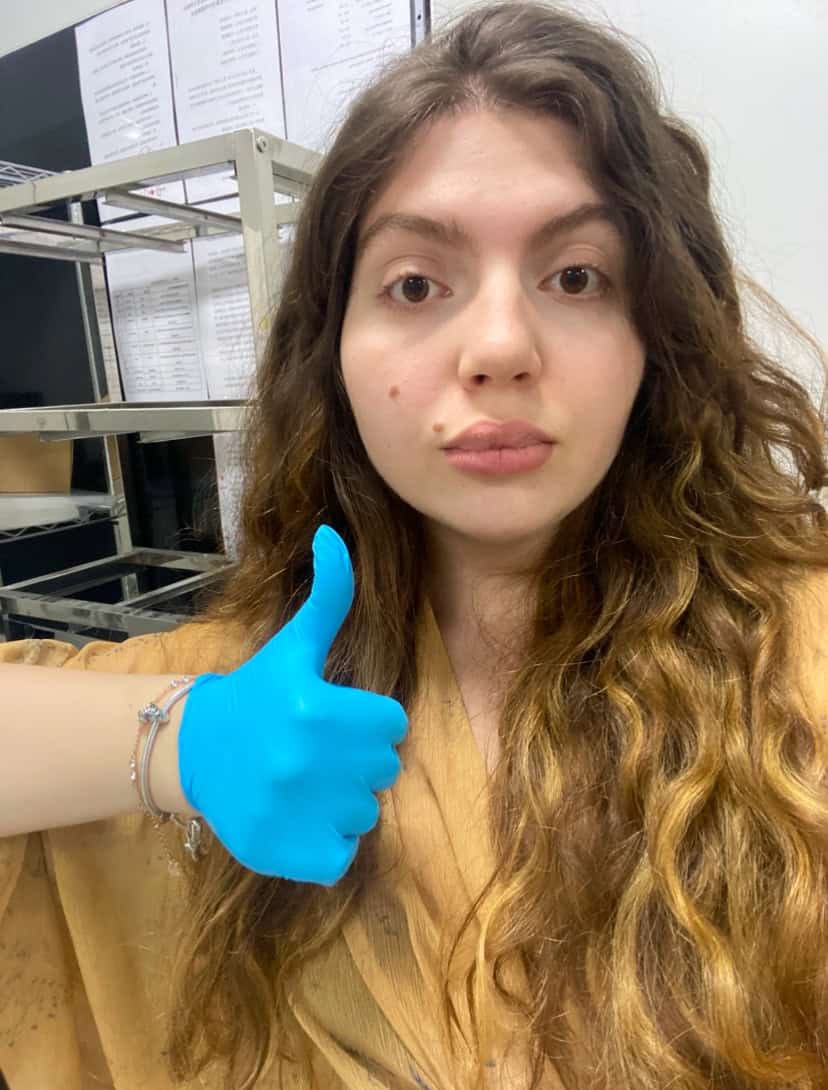
Hana Bostikova
The work made her more patient. Experiments and analyses took longer than expected. Some approaches did not work. She learned that abandoning one approach did not mean abandoning the research question. Sometimes she had to step back, look again and try something different.
Tam noticed another change.
Hana began making the same kinds of data-processing decisions and judgments he would have made himself.
Eventually, he no longer needed to check every detail.
“She had become a colleague rather than a student that I look after,” he said.
More from Summer Research Scholars: Questions worth asking