
In a rural clinic in western Kenya, a child with a fever might be treated for malaria even when another infection is responsible.
In a study of children with fever in western Kenya, only 5.2% of those tested for malaria had the infection. Yet 80% of children with respiratory viruses received antimalarial drugs. The study, conducted by researchers from Duke University and partner institutions, was published in 2015.
The findings illustrate how difficult it can be to identify the cause of a fever when different infections cause similar symptoms, and why reliable testing and appropriate clinical guidance are essential to choosing the right treatment.
That diagnostic gap was among the challenges discussed by African health officials, laboratory specialists, international researchers and Chinese biotechnology companies at Duke Kunshan University (DKU), a Sino-U.S. university near Shanghai, from Nov. 9 to 11.
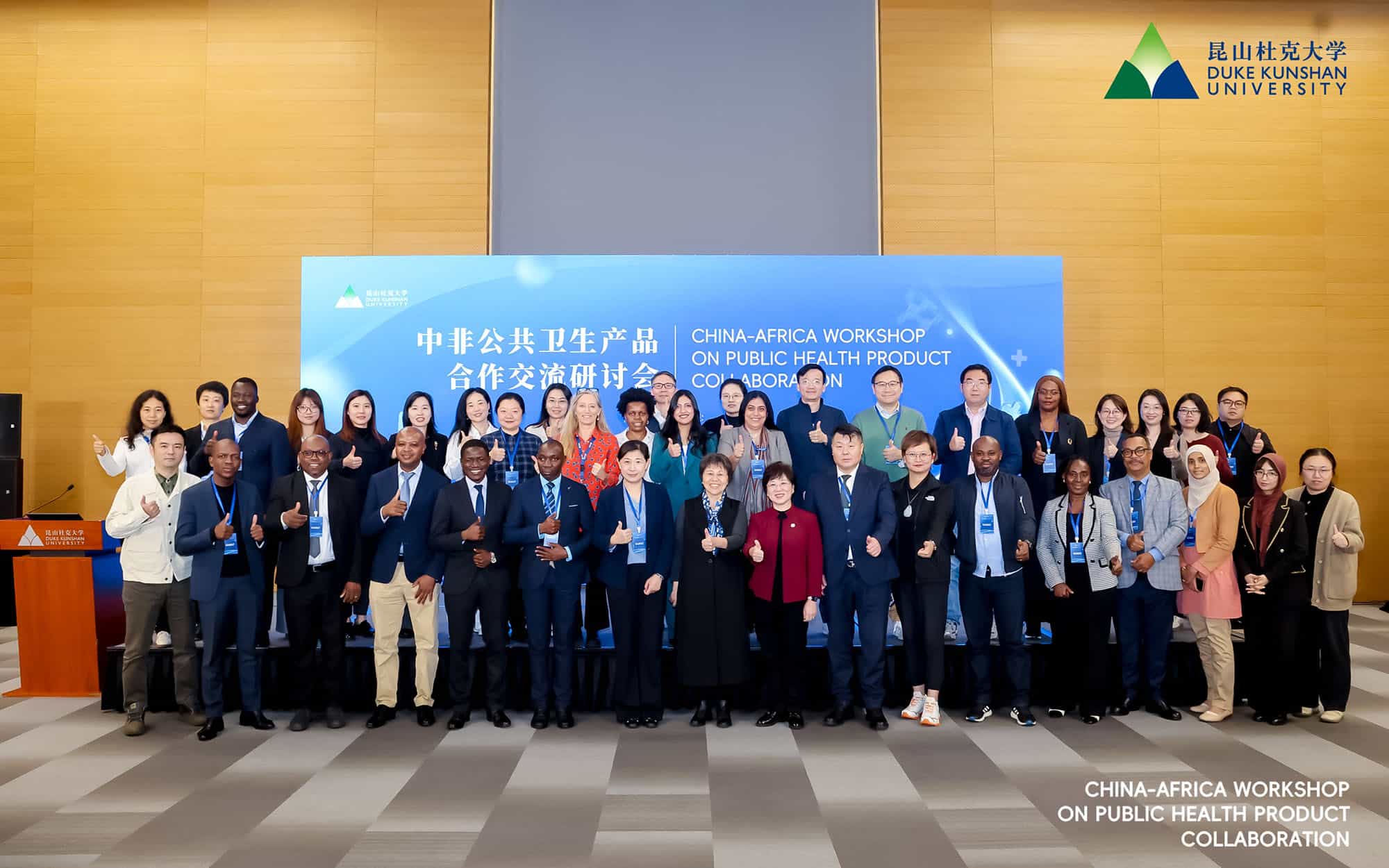
The three-day China-Africa Workshop on Public Health Product Collaboration, hosted by DKU’s Global Health Research Center, explored how African institutions and Chinese technology partners could work together to make essential diagnostics more accessible, affordable and effective.
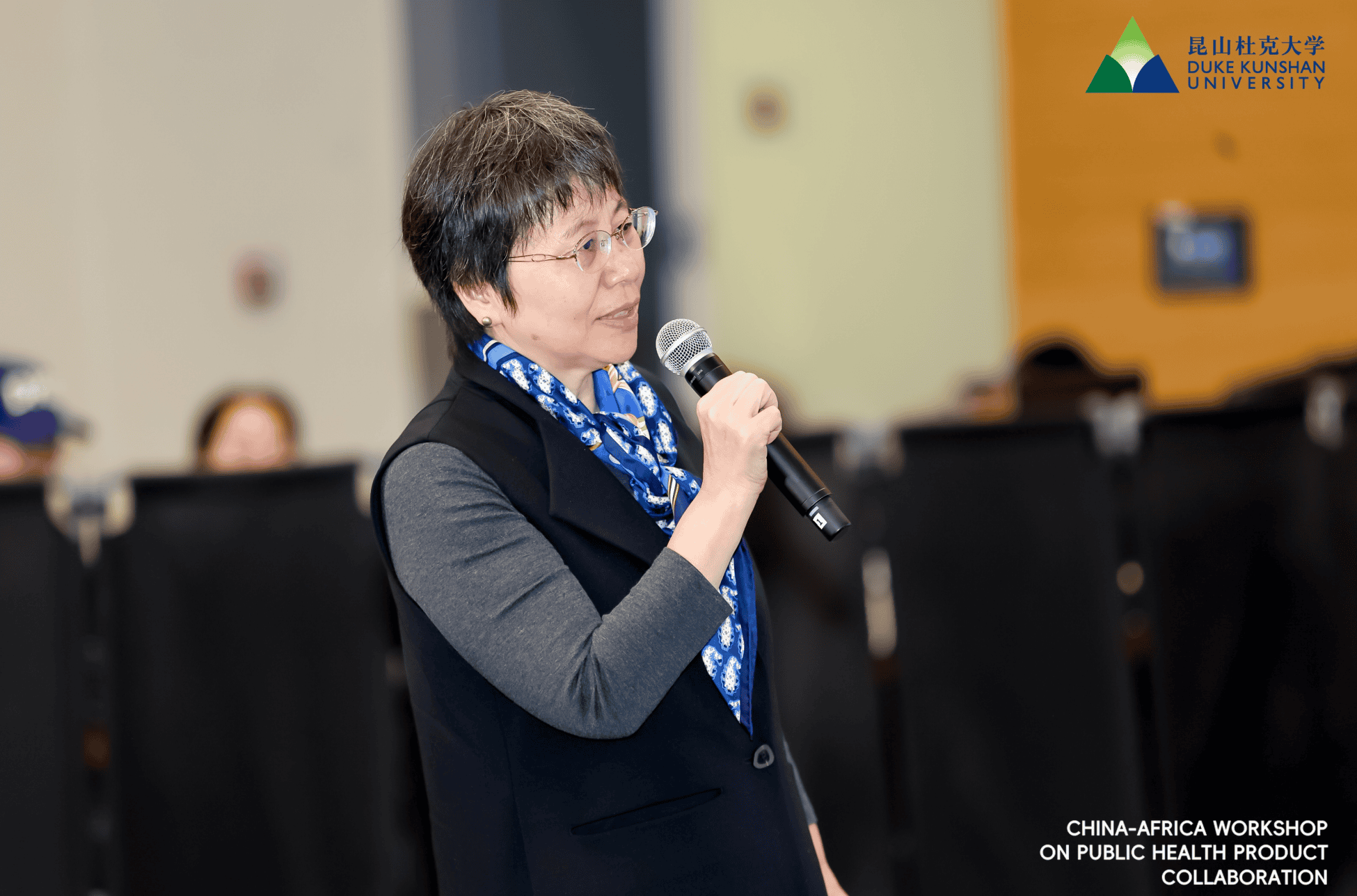
Fujie Xu, professor of global health and director of the Global Health Research Center at DKU, said the gathering was less about concluding agreements than understanding what African healthcare systems need, what Chinese manufacturers can provide and where practical cooperation might begin.
A new direction for China-Africa health cooperation
The workshop followed the inaugural China-Africa Public Health Forum, held Nov. 6-7 in Guangzhou, a major city in southern China. Nearly 700 representatives from China, more than 20 African countries and regions, and international organizations gathered to discuss infectious disease prevention and public health cooperation.
Organized by the Chinese Center for Disease Control and Prevention (China CDC) and the Africa Centres for Disease Control and Prevention, the forum launched cooperation initiatives involving disease surveillance, laboratory capacity and public health technology.
The discussions at DKU focused more specifically on diagnostics for infectious diseases and maternal health, and the practical obstacles to getting appropriate medical products into the hands of healthcare workers.
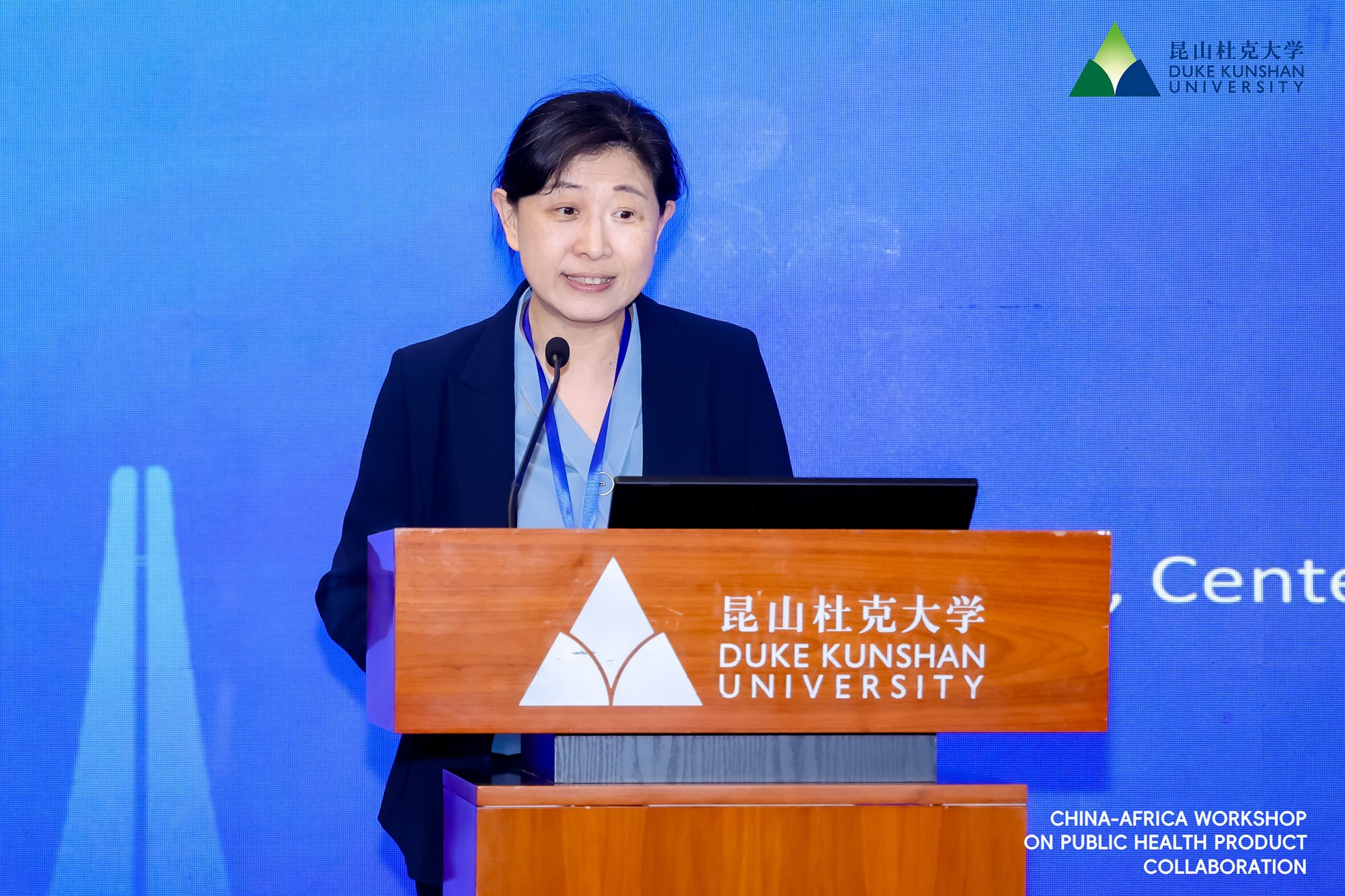
Xiaopeng Qi, director of the Center for Global Public Health at China CDC, emphasized the importance of having African institutions lead the identification of priority diseases and participate in evaluating new diagnostic products. The goal, Qi told the workshop, was to build partnerships in which African and Chinese researchers jointly develop and test solutions rather than simply transferring products from one side to the other.
For more than six decades, China has supported healthcare development in African countries through medical teams, hospital construction, medicines and equipment. Increasingly, cooperation is also focused on research partnerships, technology transfer and local manufacturing.
For African countries, reducing dependence on imported health products has become a strategic priority. The COVID-19 pandemic exposed the vulnerability of healthcare systems when international supply chains break down and exporting countries prioritize domestic needs.
A 2021 Lancet Commission estimated that 47% of the world’s population had little or no access to diagnostic services, with the greatest gaps affecting poorer, rural and marginalized communities.
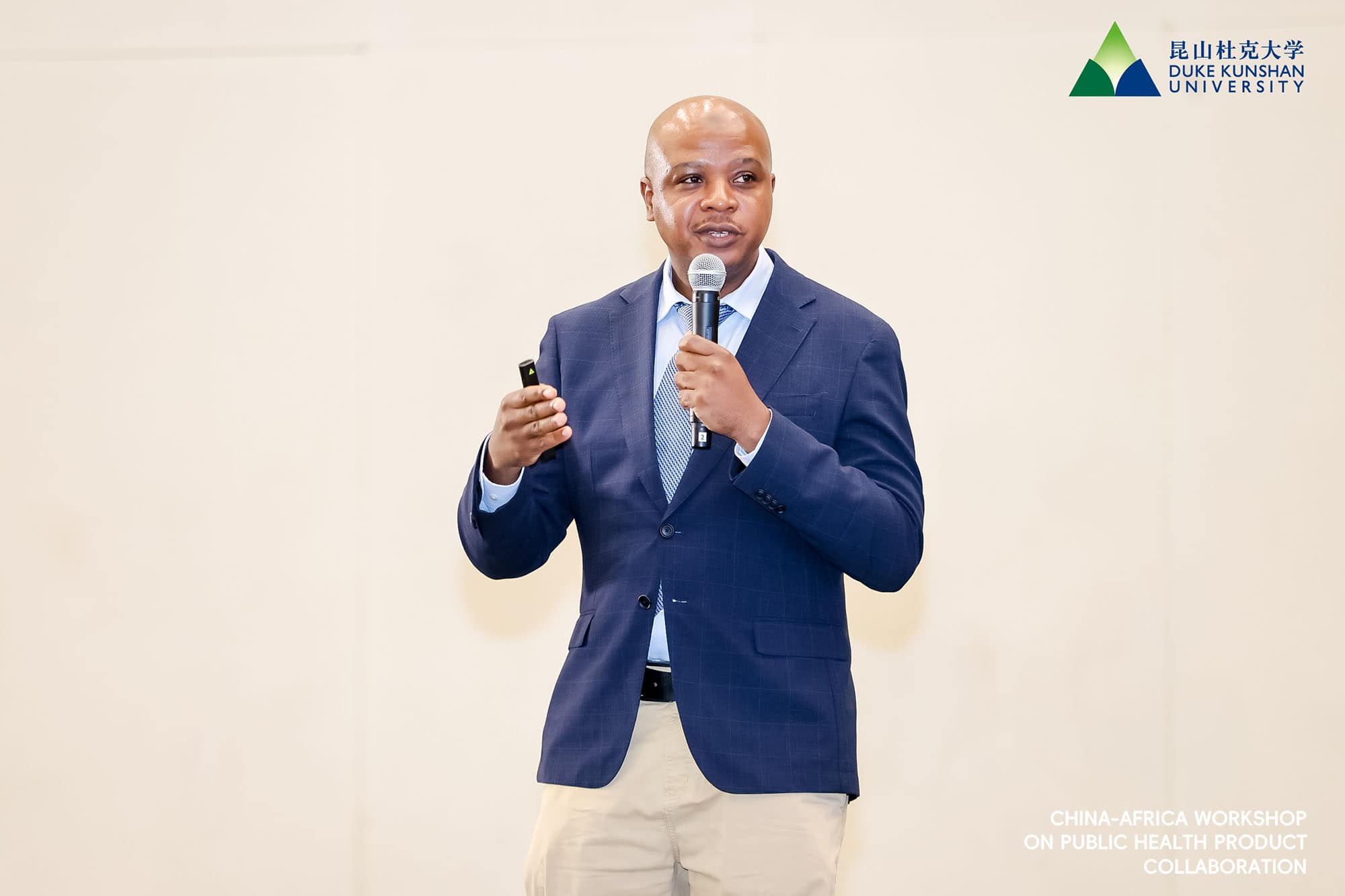
Anafi Mataka, a division head at the African Society for Laboratory Medicine, told the DKU workshop that dependence on imported diagnostics leaves African healthcare systems vulnerable to supply disruptions, currency fluctuations and market pressures.
Expanding local production, he argued, could strengthen supply security while creating opportunities for industrial development and employment.
But making diagnostics locally is only part of the challenge. Products must respond to actual disease burdens, work reliably in local conditions and be supported by functioning health systems.
When sophisticated technology meets local realities
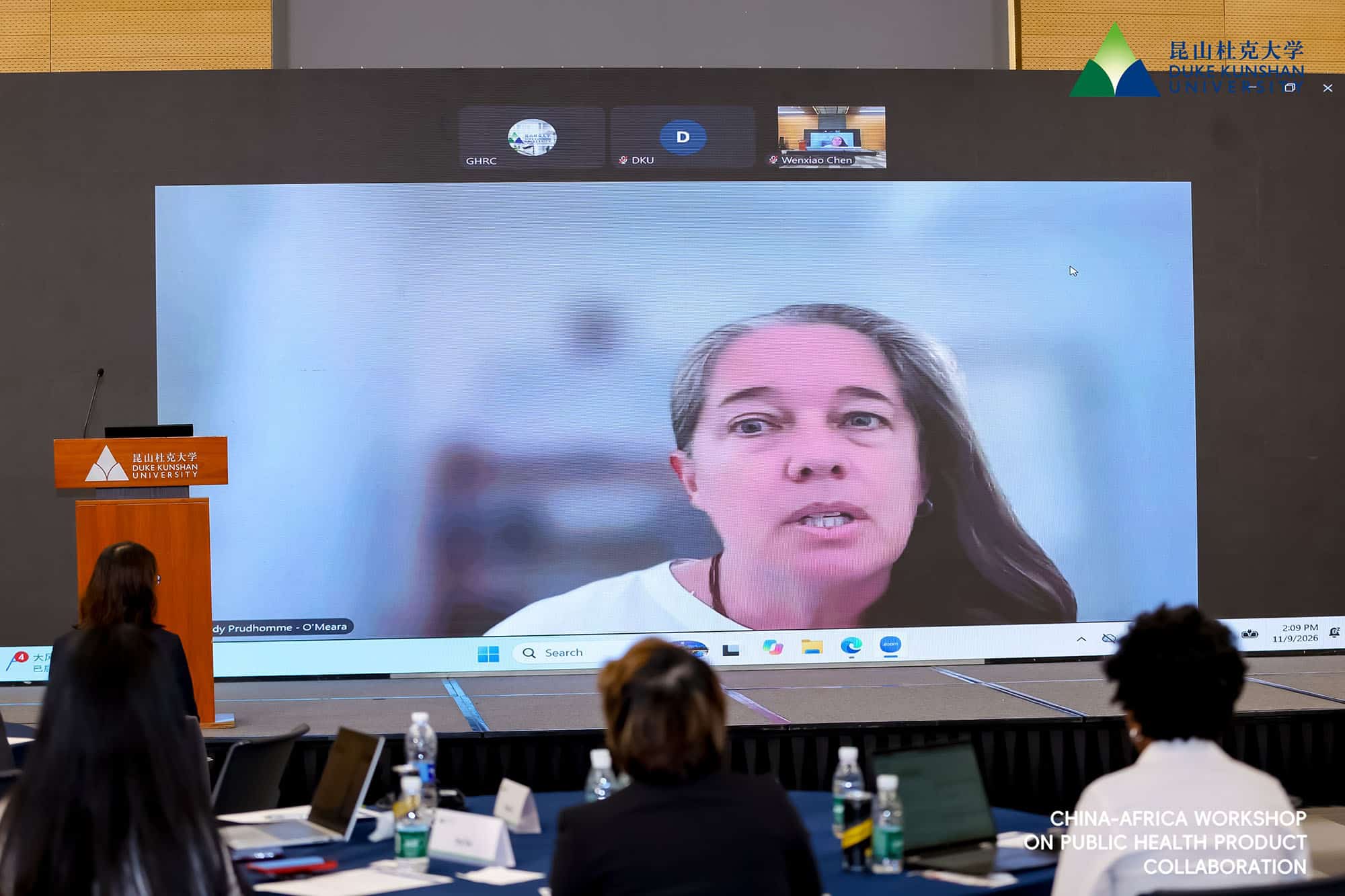
Wendy Prudhomme O’Meara, deputy director of the Duke Global Health Institute, presented the findings from Kenya to show why improving diagnostic access involves more than supplying additional tests.
In some remote communities, primary care facilities have little diagnostic equipment beyond rapid malaria tests or basic microscopes. Patients who test negative for malaria may have other infections that health workers cannot readily identify.
The problem is compounded by inadequate laboratory infrastructure, shortages of trained personnel and weak referral systems.
O’Meara described how her research team improved the accuracy of malaria diagnosis at rural facilities through training, mentorship and supervision. The team subsequently helped laboratory technicians use existing microscopes to identify a wider range of diseases.
The experience challenged an assumption that expanding access to diagnosis is simply a matter of distributing more tests.
Chinese biotechnology companies presented approaches that could help address some of these limitations.
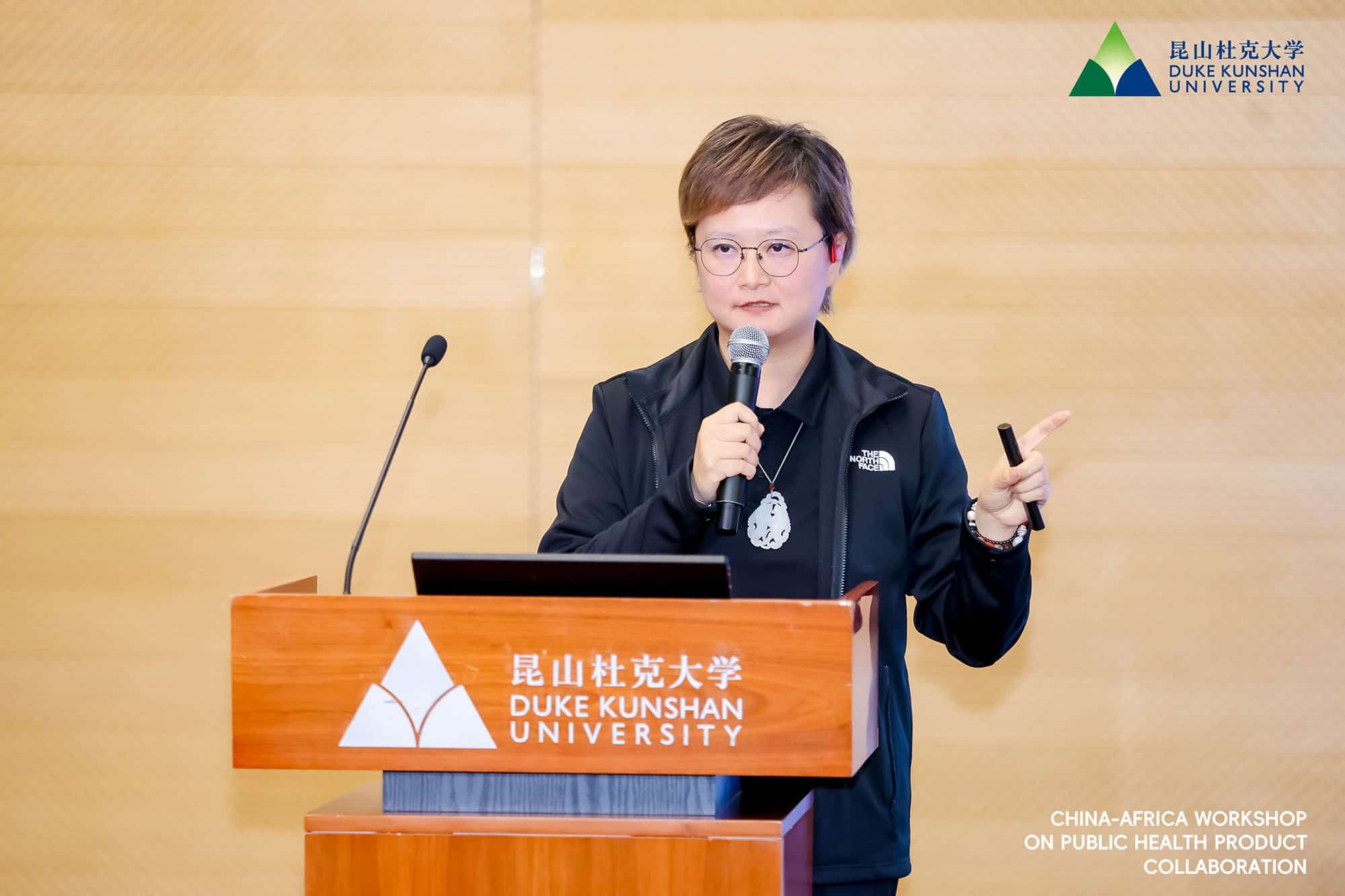
Sabrina Li from Coyote Bioscience presented a portable molecular diagnostic system, including a tuberculosis test designed to return results from a tongue-swab sample in about 30 minutes, according to the company.
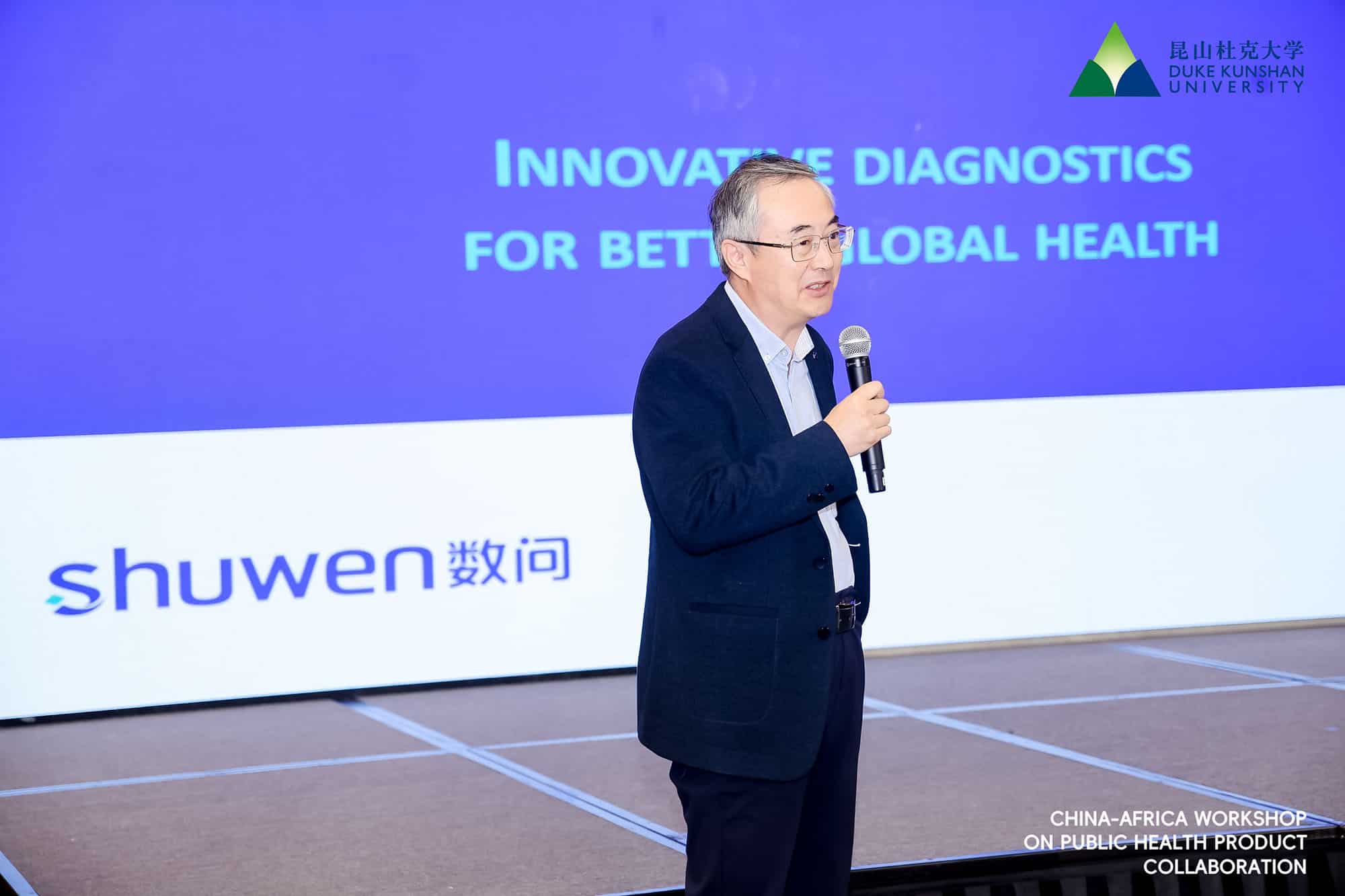
Jay Zhang of Shuwen Biotech presented a rapid, urine-based test intended to help assess preeclampsia, a potentially life-threatening pregnancy complication. The company says the technology is being evaluated in clinical studies in South Africa and other countries.
Such innovations could help bring testing closer to patients, although wider use would depend on clinical validation, regulatory approval, affordability and integration into local healthcare services.
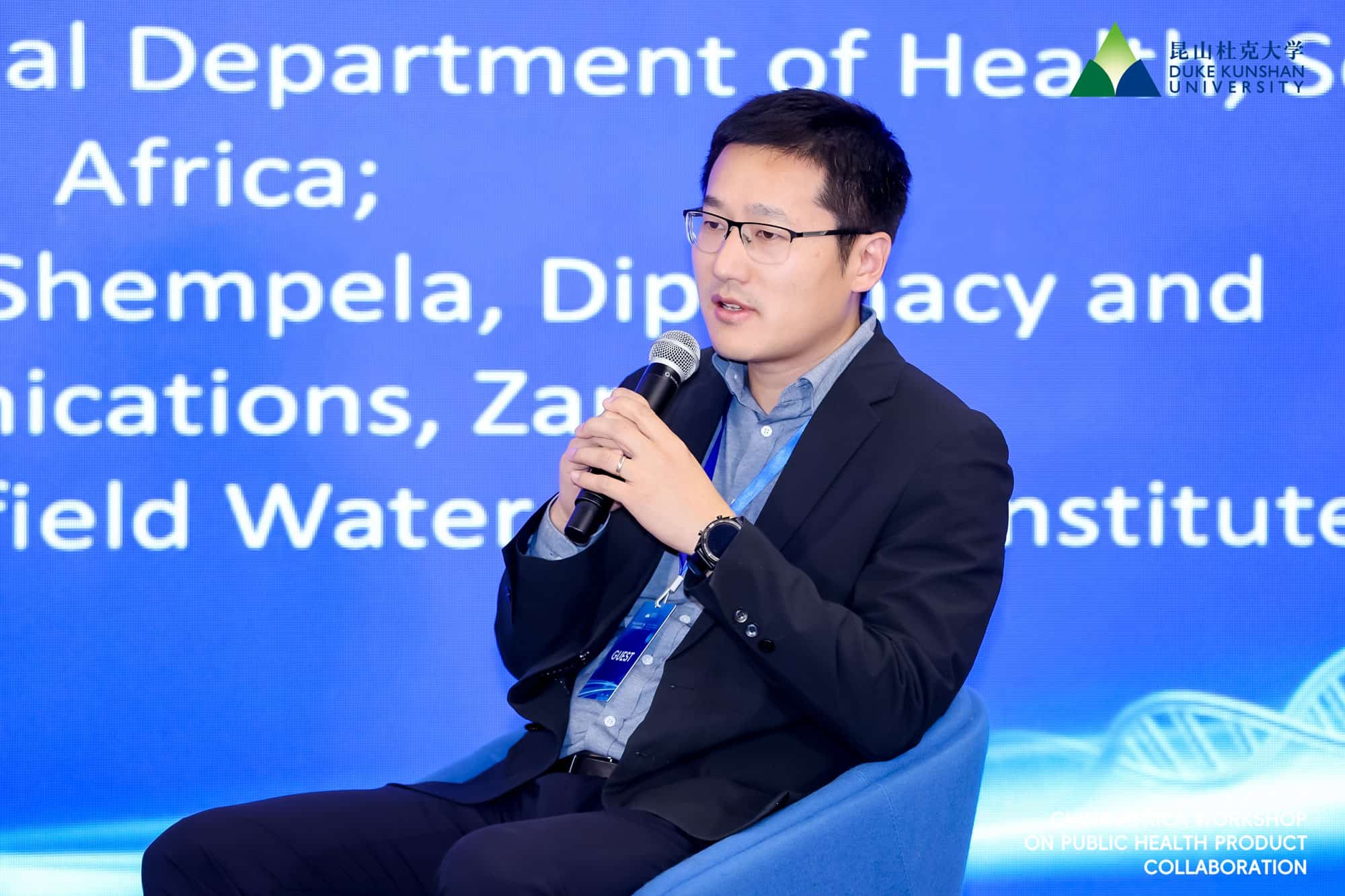
Zhugen Yang of Cranfield University described testing low-cost diagnostic technology in Uganda, where affordability and ease of use emerged as critical challenges in making the technology practical for local communities.
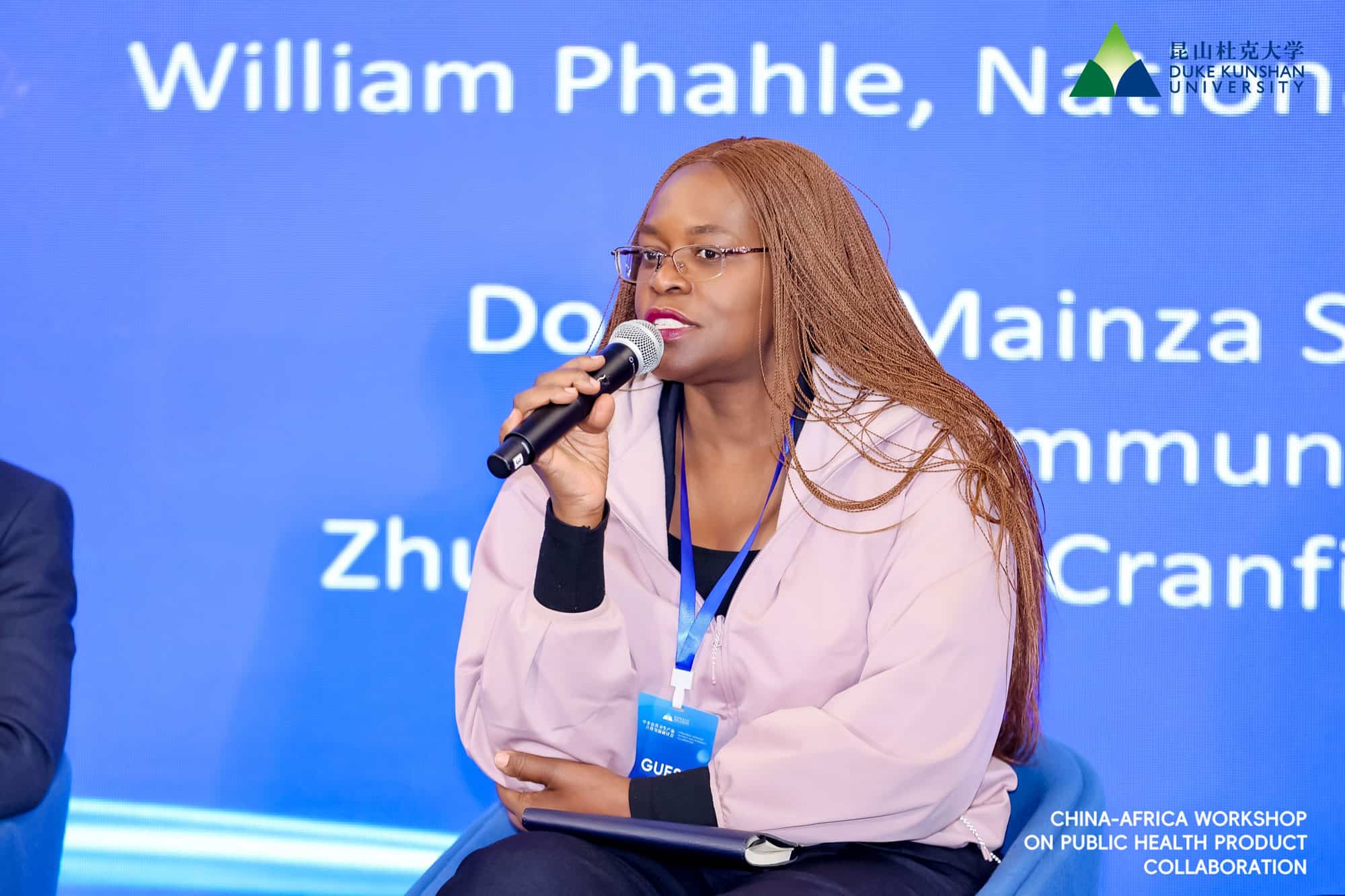
During a panel discussion, Doreen Mainza Shempela, director of public health policy, diplomacy and communications at the Zambia National Public Health Institute, illustrated why national priorities must guide decisions about new technologies.
She used anthrax as an example of a disease that threatens both human health and the cattle on which many rural families depend. A rapid test capable of detecting the disease could help protect not only patients but also livelihoods.
Representatives of African laboratory organizations similarly emphasized that local health professionals should help define product requirements, evaluate performance, train users and maintain quality.
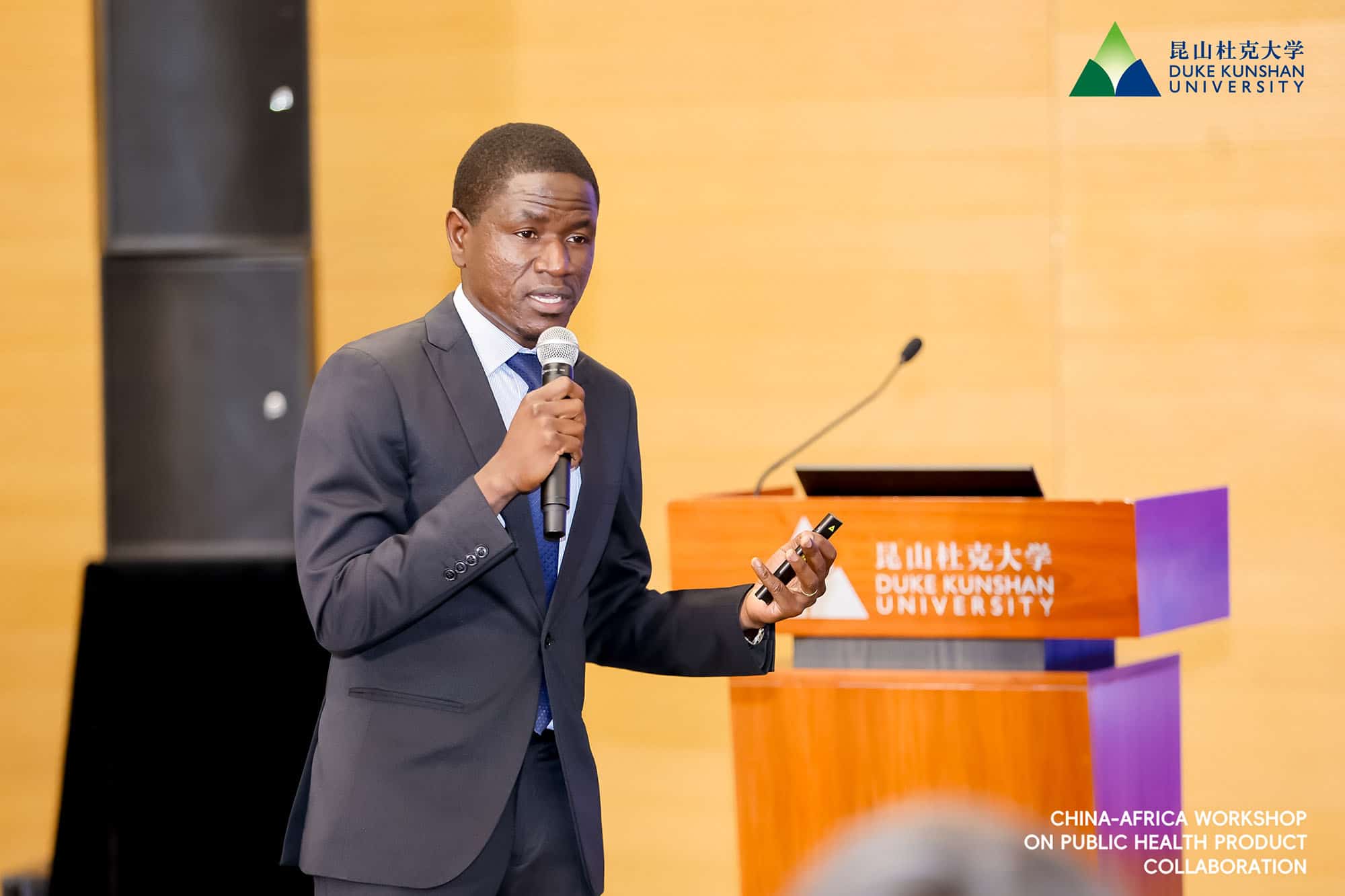
Mutale Mubanga, chairperson of the Federation of Laboratory Professionals in Africa, outlined proposals for involving professional associations in product evaluations, workforce training and partnerships with Chinese manufacturers.
From manufacturing capacity to practical partnerships
The program extended beyond the DKU campus. Participants visited medical technology and biotechnology facilities in Suzhou and Shanghai, where they examined production capabilities and discussed potential cooperation.
Xu said the scale and automation of Chinese diagnostic manufacturing were particularly striking.
At a Suzhou facility, she saw how automated production could enable manufacturers to produce large quantities of diagnostic tests. This manufacturing capacity could help the right products reach the communities that need them.
To illustrate both the potential and the challenges, Xu described a scenario in which neighboring African countries might coordinate and pool purchases of diagnostic products to respond to a shared disease threat, such as Ebola. Such regional cooperation is one pathway to win-win solutions for Chinese companies and African countries.
Such an arrangement would raise questions about who would coordinate procurement, how participating countries would work together, and how products would be financed and distributed. It was an example of a possible approach, not an agreement reached at the workshop.
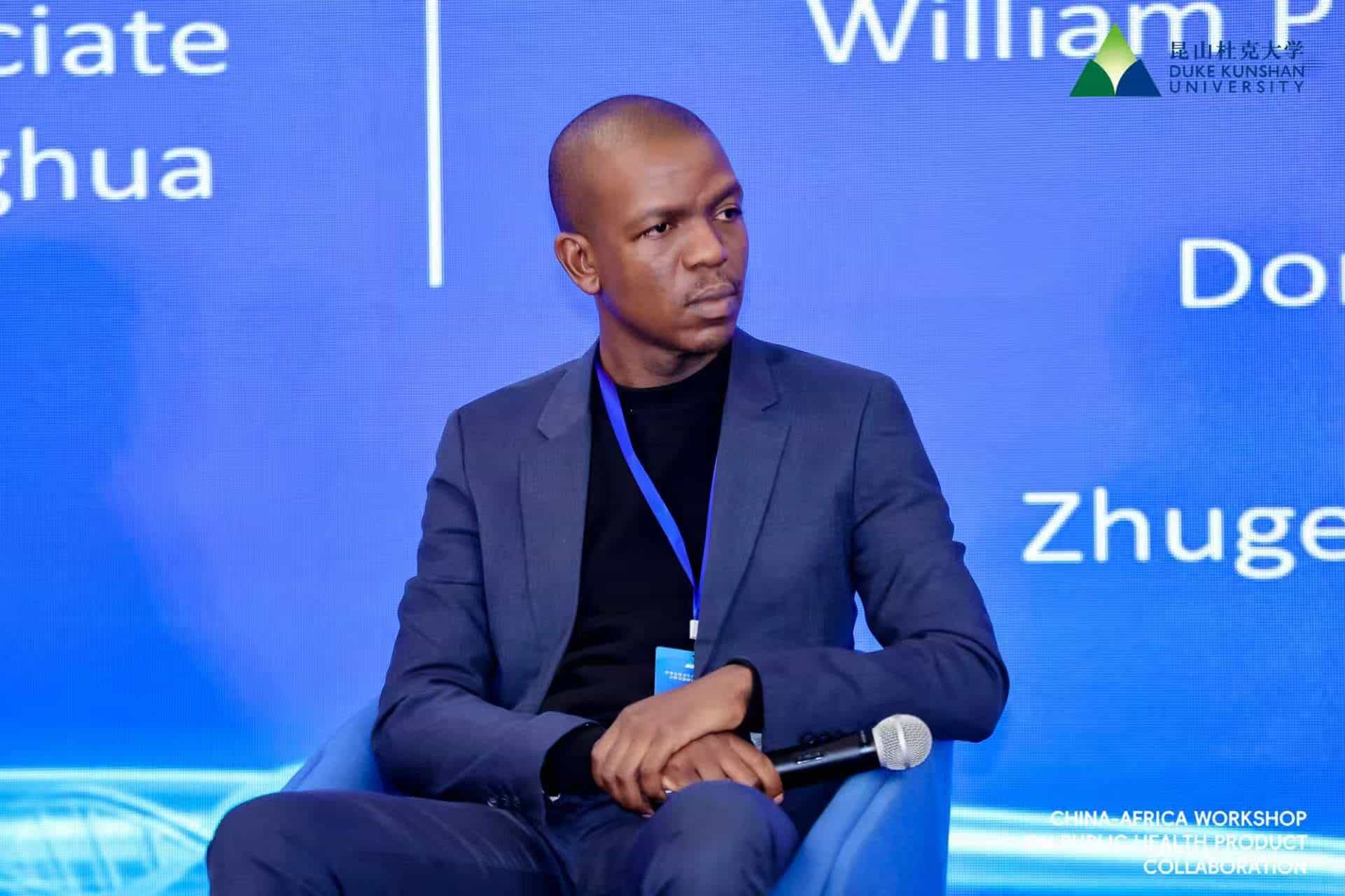
William Phahle of South Africa’s National Department of Health welcomed opportunities for cooperation with Chinese manufacturers but emphasized that their products must meet the country’s regulatory requirements and quality standards.
Mataka identified another practical obstacle: Chinese manufacturers at the workshop expressed a need for better information about African markets, potential partners and distributors. He suggested compiling an inventory of relevant organizations on both sides to help identify opportunities for collaboration.
He also identified Shanghai’s Global Health Innovation Institute as a potential partner, citing shared interests in creating conditions for the adoption of new health technologies in China and Africa.
DKU’s role in connecting research, industry and public health
For DKU, the workshop built on an existing effort to connect medical innovation with global health needs.
The university co-leads the Gates Foundation-supported CREATInG Initiative with the Centre of Regulatory Excellence at Duke-NUS Medical School in Singapore. Xu leads the initiative at DKU.
Launched in 2024, the initiative focuses on helping diagnostic manufacturers understand international regulatory requirements, strengthen quality and regulatory capabilities, and navigate the barriers that prevent affordable, innovative diagnostic products from reaching the markets where they are most needed, particularly in low- and middle-income countries.
Xu said international procurement, financing and coordination mechanisms are more established for vaccines than for many diagnostic products. Closing that gap requires closer cooperation among manufacturers, regulators, researchers and health authorities.
By bringing African health officials, laboratory professionals and researchers into direct contact with Chinese manufacturers, the workshop offered a way to begin bridging those gaps. Participants could examine available technologies, discuss their limitations and explore how products might be adapted to local healthcare systems.
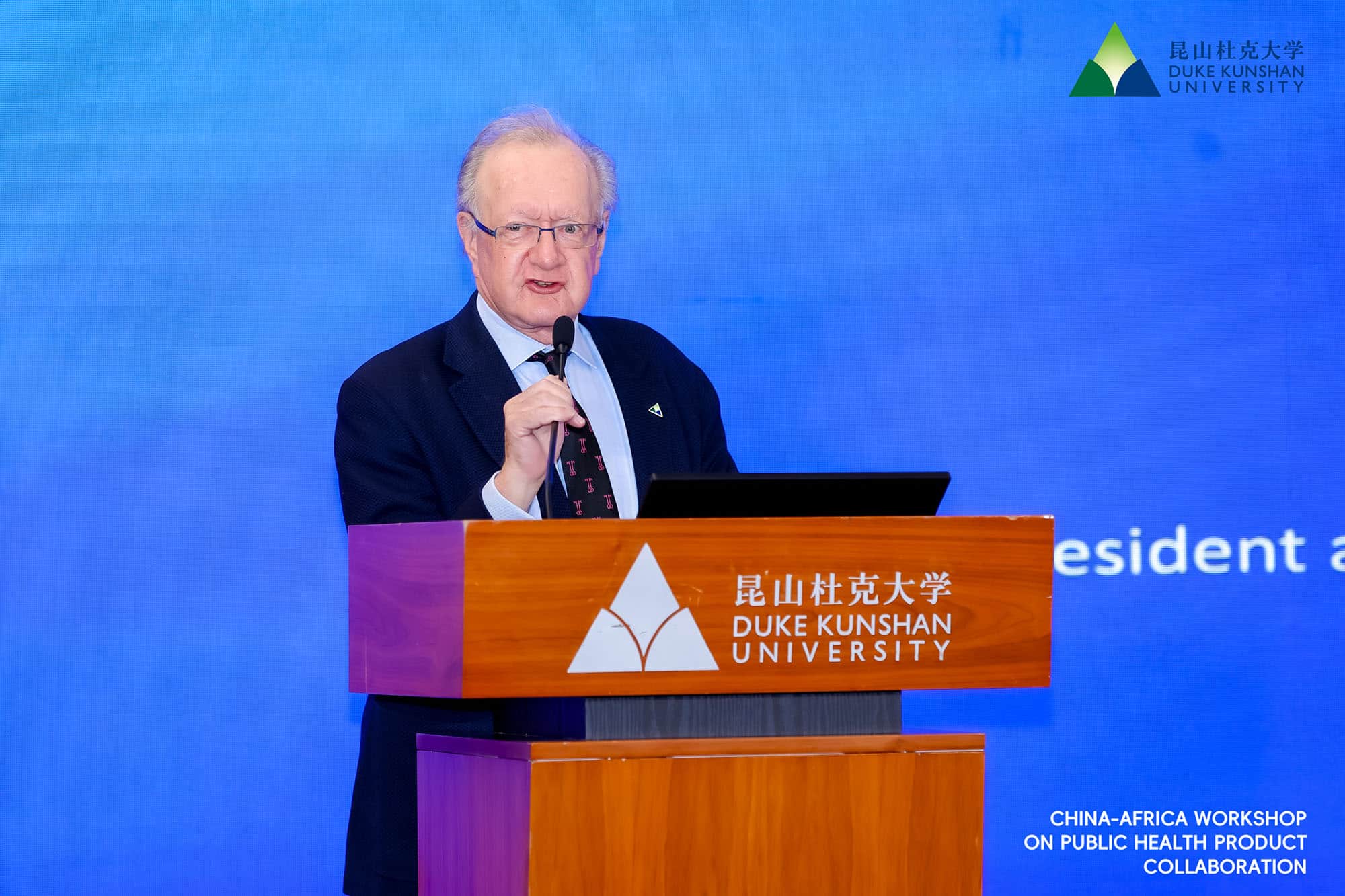
John Quelch, executive vice chancellor of DKU, emphasized the importance of looking beyond simply exporting medical products.
“Technology only creates value when it works within a functioning health system,” he said.
The workshop also reflected DKU’s role as a convener, bringing together organizations with different capabilities and helping them explore opportunities that none could pursue as effectively alone.
For Xu, the immediate value lay in establishing connections and identifying possibilities that participants could pursue after returning to their institutions. Whether those discussions lead to joint evaluations, procurement arrangements or other collaborations will depend on further negotiations and commitments.
Mataka said further discussions involving the African Society for Laboratory Medicine, DKU and Duke-NUS Medical School were planned following the workshop.
Shempela offered a practical measure of what successful cooperation should mean. Partnerships, she argued, must address public health needs at the community level and deliver benefits to ordinary families, not merely serve the interests of participating institutions.
Ultimately, that is the test facing the partnerships that may emerge from the workshop: whether they can turn promising technology and international cooperation into better healthcare for the people who need it.