
More than 80 public health experts, policymakers and early-career researchers gathered at Duke Kunshan University on Oct. 26-27 to explore how countries can better prepare for and prevent future pandemics.
The International Conference on Global Health and Regional Collaboration to Prevent Pandemics was organized by the university’s Global Health Research Center with funding from the Arsenault Family Foundation (China).
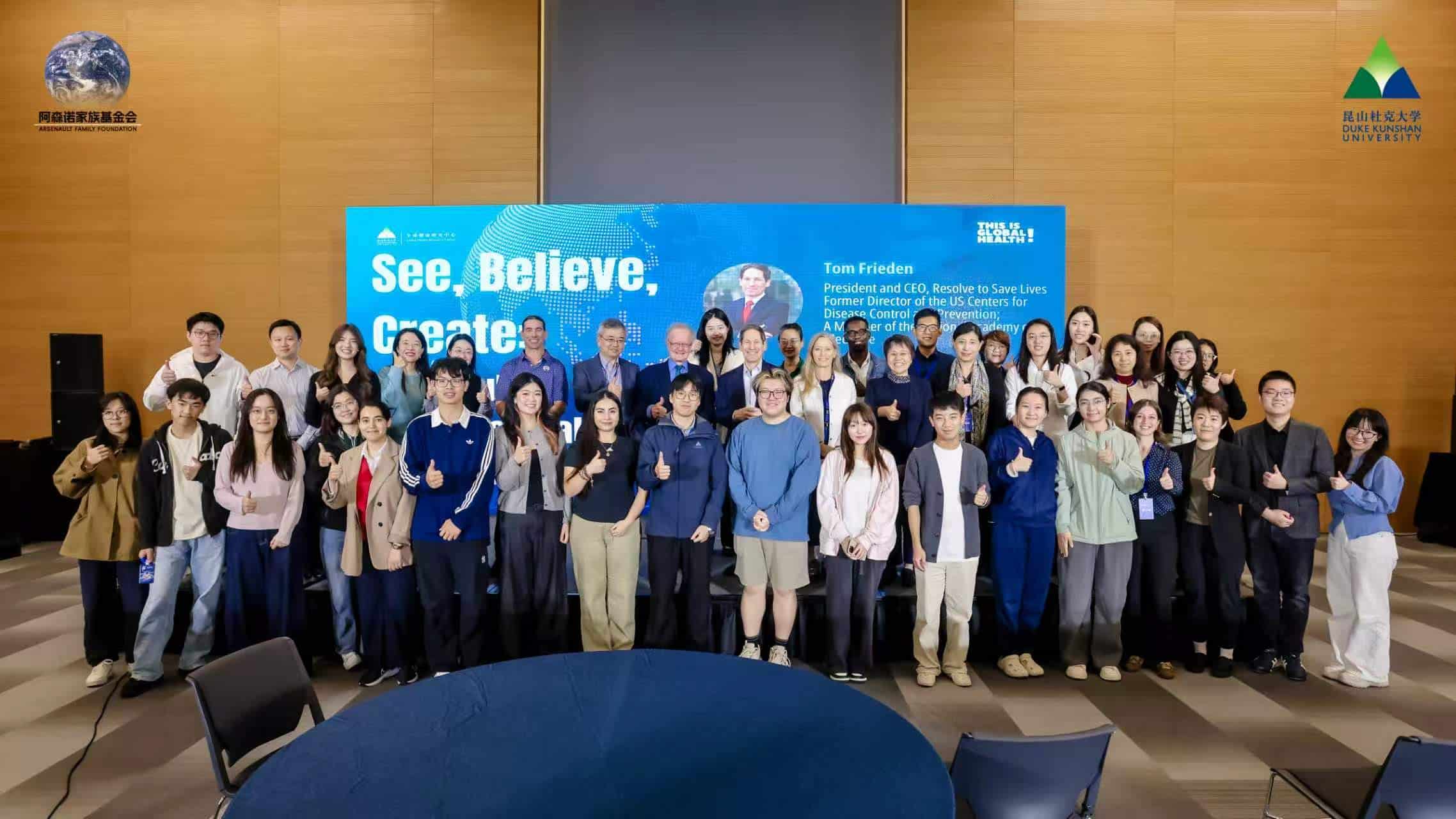
Participants from mainland China, Hong Kong, the United States, Australia, Singapore, Thailand, Indonesia and elsewhere discussed early warning systems for infectious diseases, innovations in surveillance technologies and mechanisms for cross-border collaboration.
Speed matters in outbreak response
The next pandemic is coming. Will we be ready?
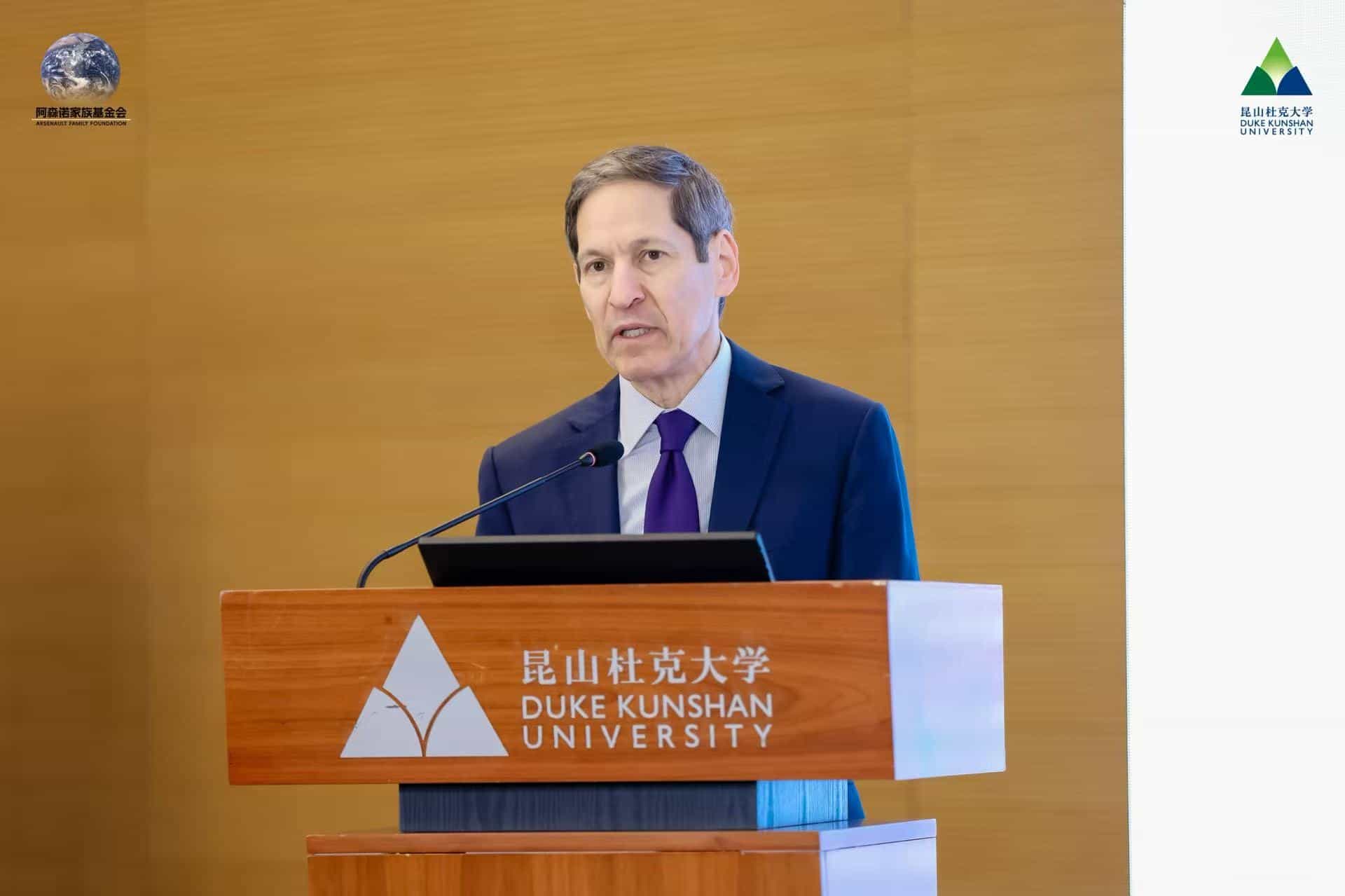
Tom Frieden
Tom Frieden, president and CEO of Resolve to Save Lives and former director of the U.S. Centers for Disease Control and Prevention (CDC), outlined a measurable framework for rapid outbreak detection and response known as “7-1-7”: identifying an emerging health threat within seven days, reporting it and initiating an investigation within one day, and completing key early response actions within the following seven days. He repeatedly emphasized that response speed directly affects the cost of outbreak control. The sooner a threat is detected, reported, and addressed, the lower the human and economic costs. Conversely, delays at any stage can turn a manageable local outbreak into a widespread public health crisis.

John Quelch
In his opening remarks, John Quelch, executive vice chancellor of Duke Kunshan University, emphasized that technology, collaboration, and transparency are three essential pillars of effective public health responses. Even the most sensitive early warning systems cannot fulfill their potential if data are not shared and institutions fail to coordinate, leaving critical warning signals isolated within fragmented systems.
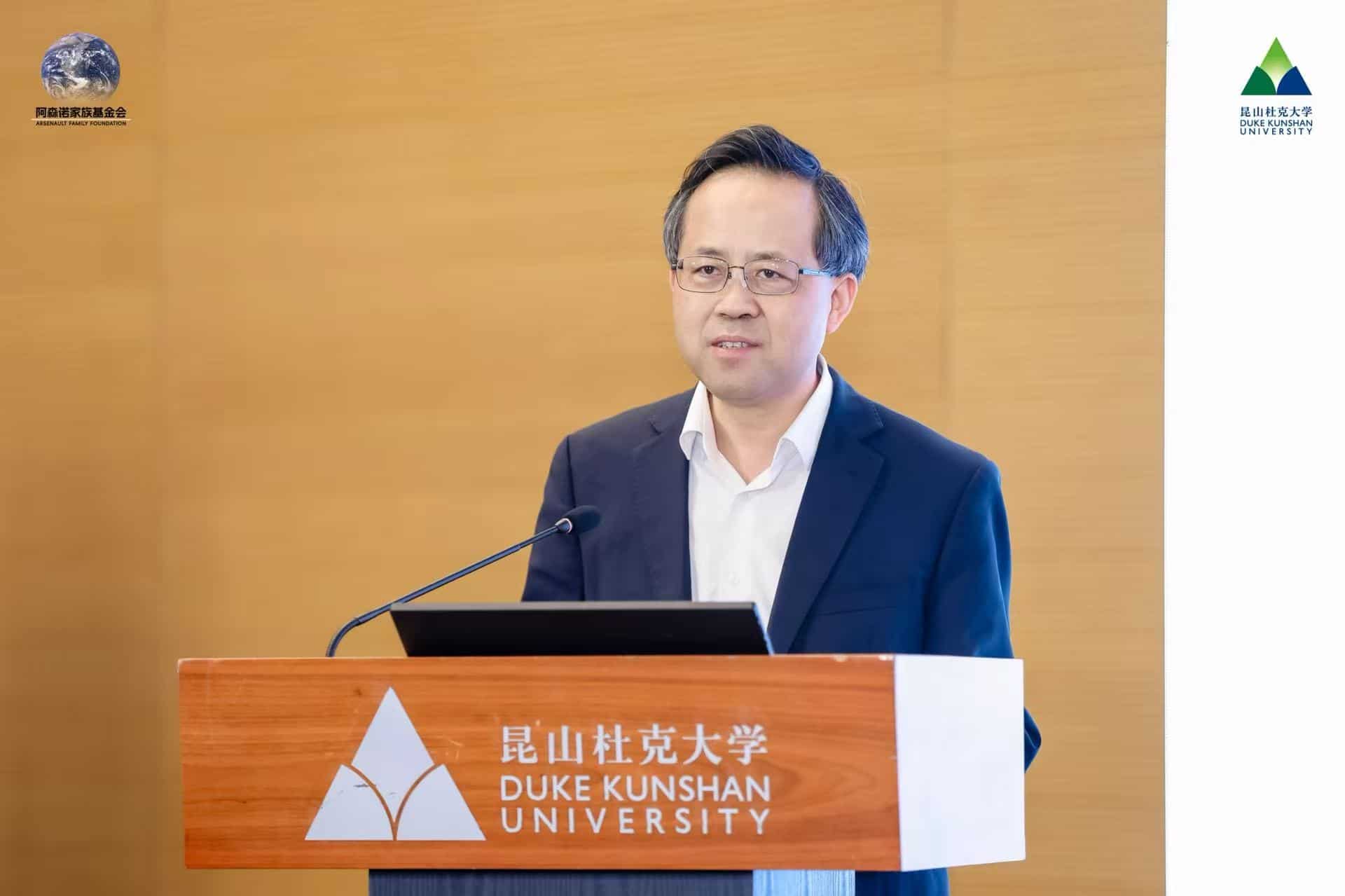
Jianming Wang
The experience of Yemen provides a stark illustration of the consequences of delayed responses. Drawing on measles data, Jianming Wang, dean of the School of Public Health at Nanjing Medical University, highlighted a troubling reality: when conflict disrupts vaccination systems, years of accumulated “immunity debt” can drive measles incidence to record highs in a short period, even after vaccination coverage rebounds to 81%. Once response efforts are delayed, the costs do not simply increase linearly; they can escalate exponentially. The longer a public health system remains disrupted, the greater the resources required to rebuild public trust and restore population immunity.
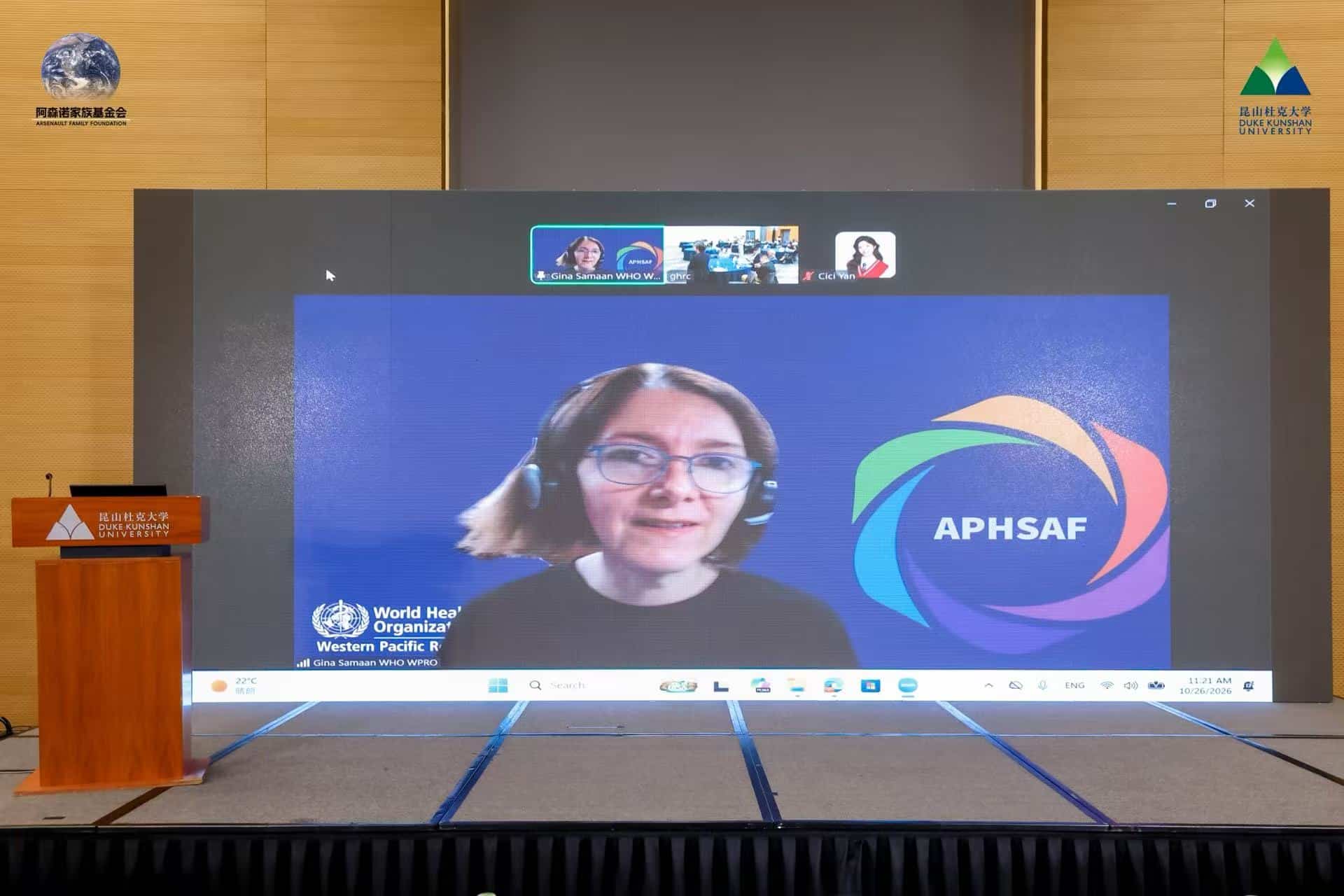
Gina Samaan
For this reason, effective preparedness requires building response capacity well before a crisis occurs. Gina Samaan, regional emergency director at the World Health Organization (WHO) Regional Office for the Western Pacific, highlighted the importance of establishing coordinated emergency response mechanisms across national borders, ensuring that surveillance, early warning systems, and the mobilization of essential supplies are effectively coordinated before a crisis emerges.
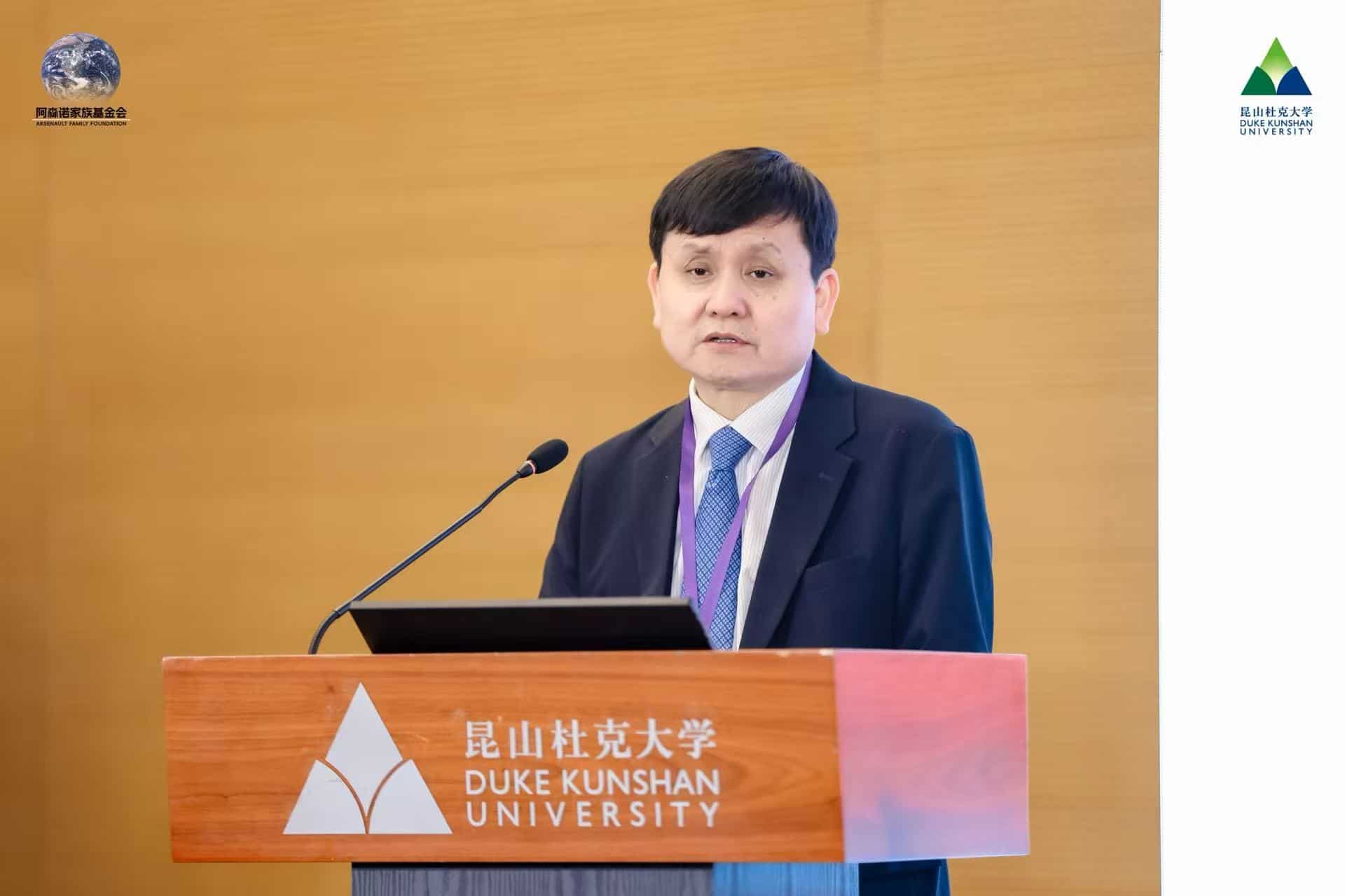
Wenhong Zhang
At the national level, Wenhong Zhang, director of the National Medical Center for Infectious Diseases and director of the Department of Infectious Diseases at Huashan Hospital, Fudan University, highlighted another critical dimension of preparedness: the integration of clinical care and disease prevention. He outlined an approach that embeds surveillance networks into routine hospital operations, enabling frontline health care professionals to serve as early sentinels for detecting unusual signals. Delays in early warning could mean missing the critical window for developing and deploying effective drugs and vaccines.
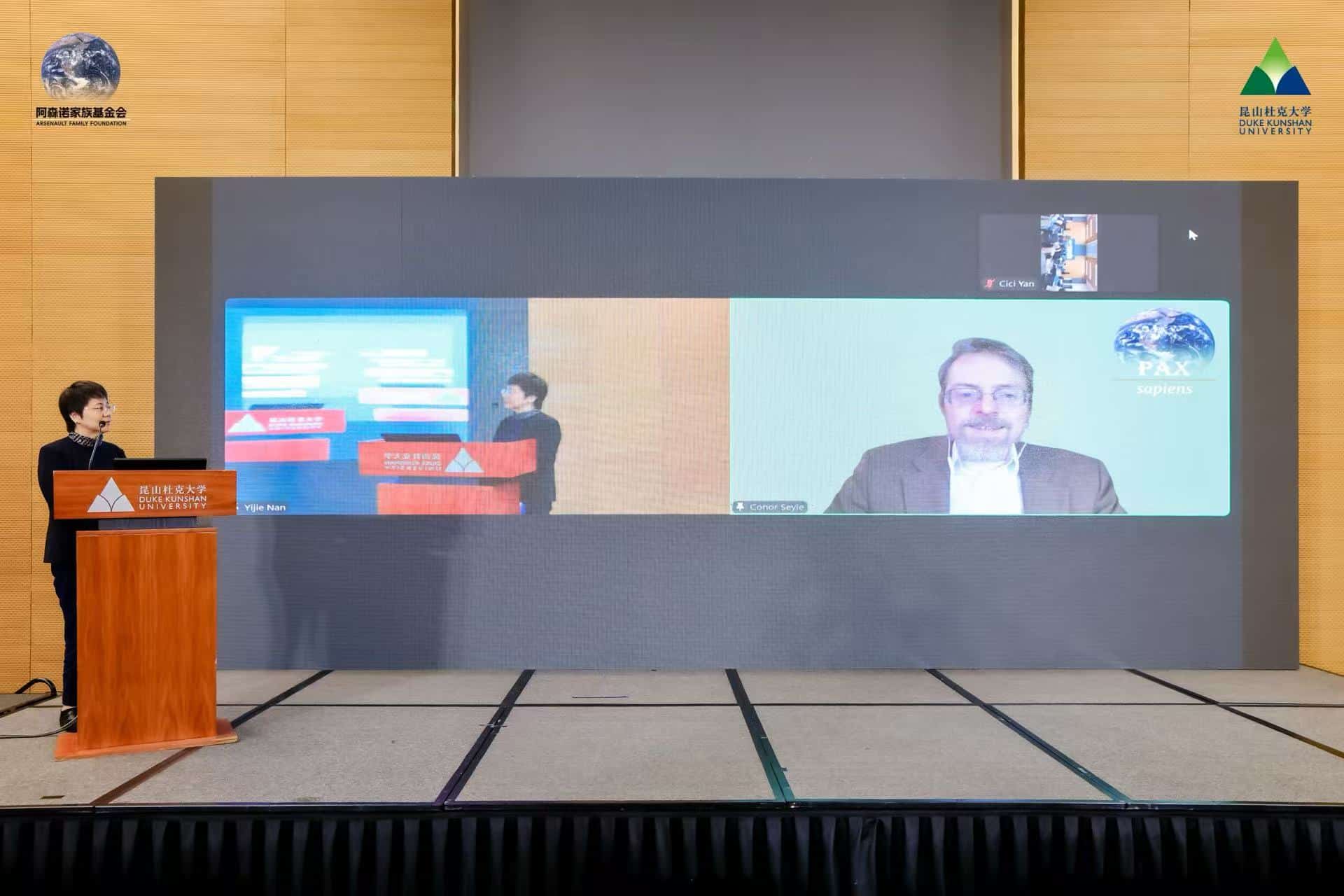
Conor Seyle
Joining virtually, Conor Seyle, chief operating officer of PAX sapiens and representative of the Arsenault Family Foundation (China), remarked: “The foundation of public health security rests on sustained, open, and honest dialogue. We are deeply honored to support Duke Kunshan University in creating this platform, bringing together scholars and practitioners from different countries and institutions to exchange ideas and perspectives.”
The right test, right where it’s needed
Even the best test is useless if it never reaches those who need it.

Yukari Manabe
Yukari Manabe, a professor at the Johns Hopkins University School of Medicine, highlighted a fundamental challenge in diagnostics: no matter how sophisticated a technology may be, it is of little value if it cannot reach the people who need it. Her “Right Place, Right Person, Right Time, Right Test” framework raises a critical question: in resource-limited settings, should we prioritize a laboratory test with 99.9% sensitivity, or opt for a slightly less sensitive diagnostic tool that can operate reliably in a rural health clinic and reach a much larger population? Her answer was the latter.
This perspective was echoed across different technological approaches.
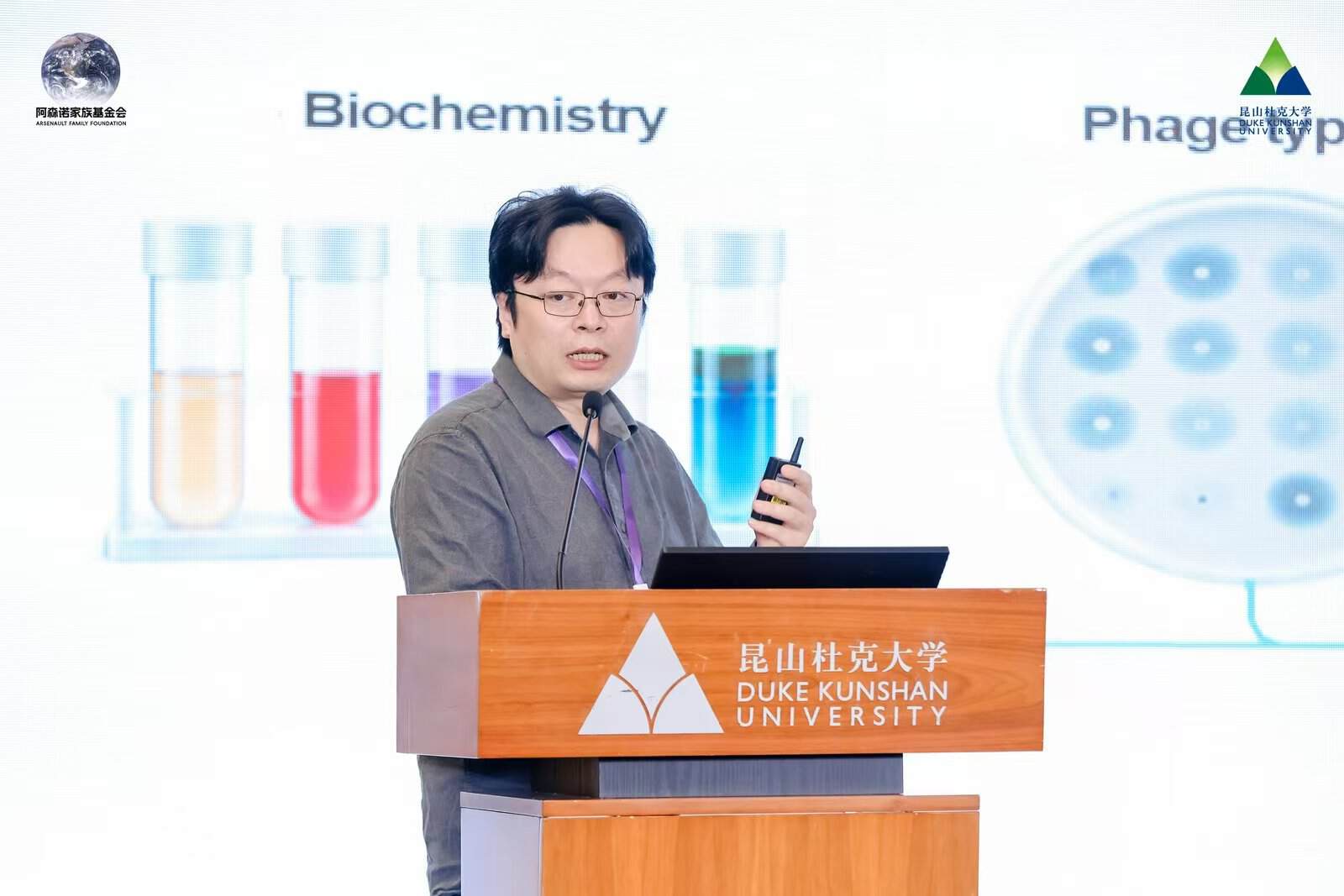
Zheming Zhou
Zhemin Zhou, a professor at Soochow University, offered an answer from a genomic perspective. His team developed the ucgMLST framework, which uses just 480 conserved core genes to compare 100,000 bacterial genomes across species in only 10 minutes. EnteroBase, a database developed by his team, now contains 2.5 million bacterial genomes and serves users across 112 countries. While the technology has already achieved a high level of precision, Zhou emphasized that the greater challenge lies not in the technology itself, but in integrating these tools into national surveillance systems. Even the fastest genomic comparisons have limited practical value if data are neither uploaded nor shared, leaving technological advances confined to the laboratory.

Tong Zhang
Tong Zhang, a professor of environmental engineering at the University of Hong Kong, presented a completely different approach. Through wastewater surveillance, he demonstrated how early warning systems can operate without relying on individual participation. With 112 routine surveillance sites covering a population of 5.3 million, the system provides comprehensive capabilities ranging from early warning and the identification of high-risk buildings to the tracking of emerging variants. This represents a form of “passive surveillance” that does not require individuals to visit health care facilities for testing, but instead relies on monitoring wastewater. For communities with limited infrastructure and scarce health care resources, this approach may offer a more practical alternative to establishing laboratory facilities.
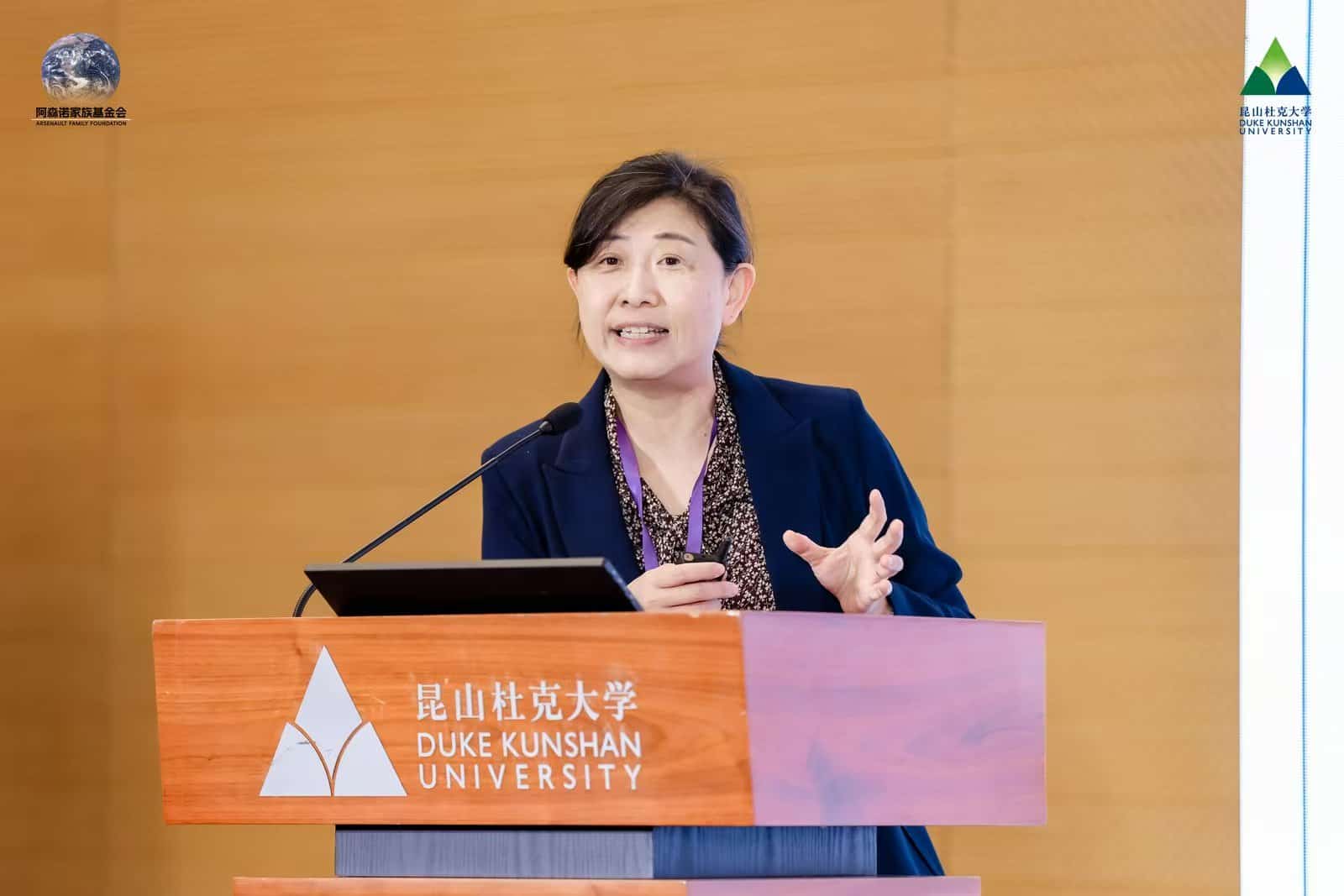
Xiaopeng Qi
Xiaopeng Qi, director of the Center for Global Public Health at the Chinese Center for Disease Control and Prevention (China CDC), presented EpiWorld, an AI-powered surveillance platform that integrates rule-based engines with large language models to automatically detect outbreak signals from multiple data sources, including news reports, social media, and academic literature. Her vision is to shift disease surveillance from manual monitoring to intelligent early warning systems, moving beyond reliance on reported cases toward proactive, AI-assisted detection of emerging health threats.

Fujie Xu
Providing a foundation for the conference was the CREATInG Initiative, led by Fujie Xu, professor of global health and director of the Global Health Research Center at DKU. A medical epidemiologist whose career has focused on infectious diseases and outbreak response, Xu has a particular interest in disease surveillance, vaccines and diagnostics. The initiative aims to strengthen regulatory capacity and improve global market access for affordable, innovative in vitro diagnostics, with a particular focus on infectious diseases in low- and middle-income countries.
A common theme across these presentations was the importance of deploying diagnostic and surveillance technologies where they are needed most. Ensuring that technologies are suited to real-world settings is just as important as improving their precision.
Resilience starts before a crisis
Preparedness is not an add-on during emergencies, but the cumulative result of sustained investment in routine health systems and community networks. Perspectives shared by several experts reinforced a common message: the systems and networks that prove most resilient during a crisis are often those built and strengthened long before the crisis occurs.
Manit Sittimart
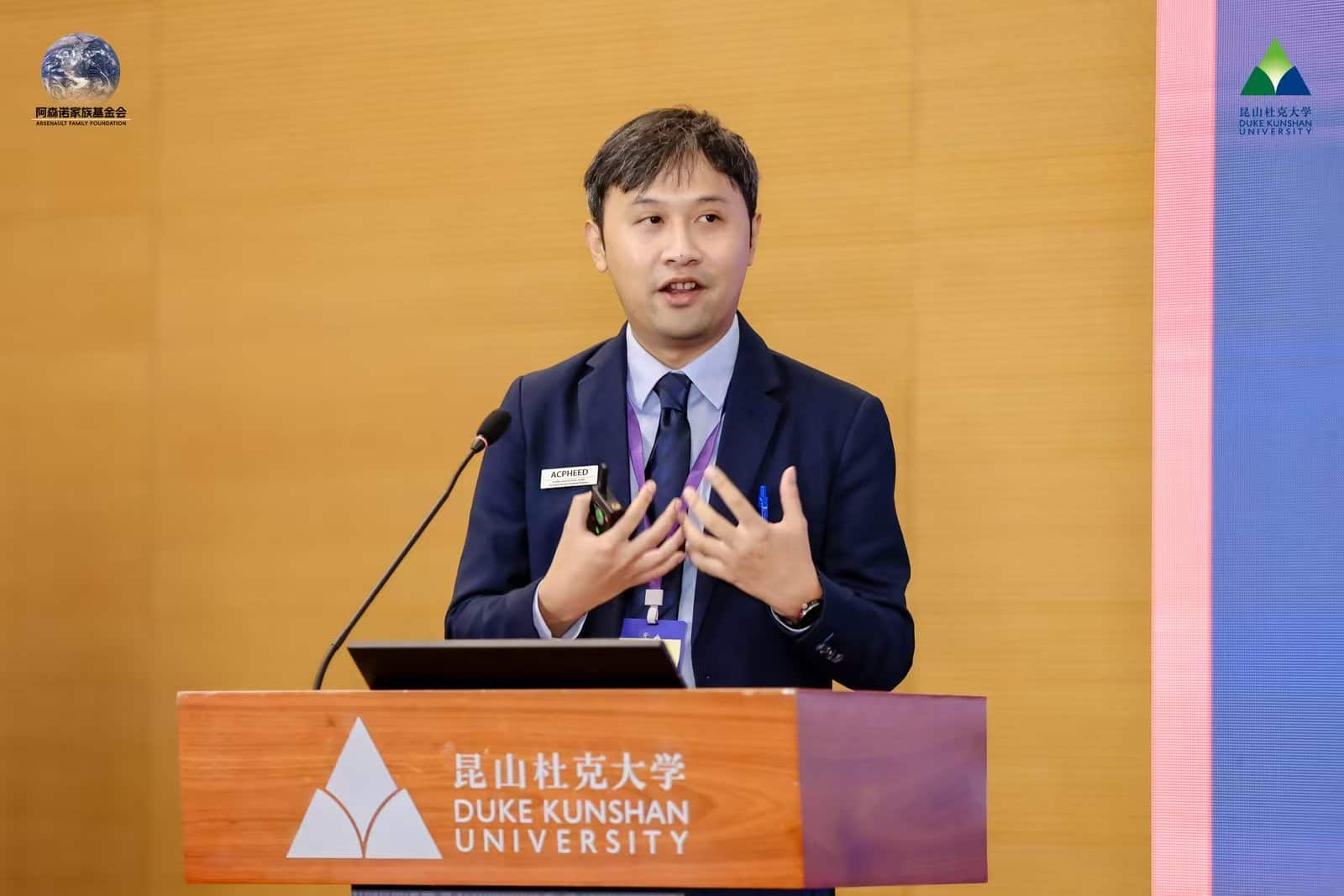
Manit Sittimart, a senior officer at the Secretariat Establishment Office of the ASEAN Centre for Public Health Emergencies and Emerging Diseases (ACPHEED) in Thailand, presented a set of seemingly simple yet compelling figures: more than one million village health volunteers conducted over 14 million household visits during the COVID-19 pandemic. These volunteers were not hastily recruited after the outbreak began. They had long been embedded in their communities, received regular training, and formed an integral part of the primary public health system. When the pandemic struck, an established network of trained volunteers was already in place. In other words, Thailand’s real strength lay not merely in its emergency response plans, but in the extensive community health network it had built and sustained long before the crisis.
Wiku Adisasmito
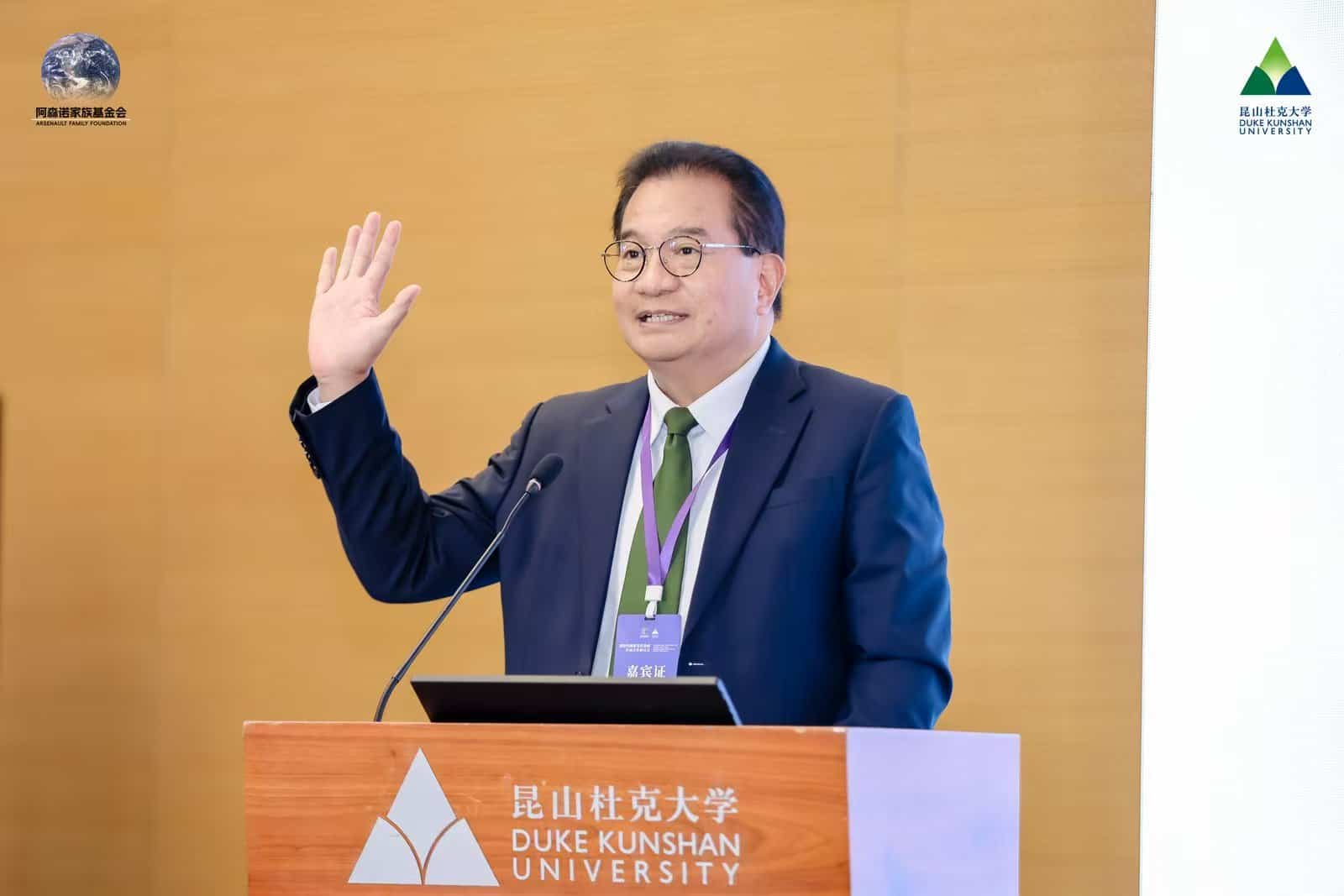
While Manit Sittimart highlighted the importance of human networks, Wiku Adisasmito, a professor in the Faculty of Public Health at Universitas Indonesia, focused on the strength of institutional systems. He presented a striking statistic: Asia accounts for approximately 61% of the global tuberculosis (TB) burden. Unlike COVID-19, tuberculosis does not typically emerge as a sudden, rapidly escalating crisis, yet it presents an equally formidable challenge. It cannot be addressed through short-term, crisis-driven interventions. Instead, effective control requires years, or even decades, of sustained surveillance, consistent treatment, and community-based follow-up. His presentation raised a thought-provoking question: How can countries strengthen their ability to respond to future pandemics while addressing long-standing public health threats such as tuberculosis? From his perspective, regional data sharing and coordinated action are not merely desirable additions, but strategic necessities.
Gavin Smith
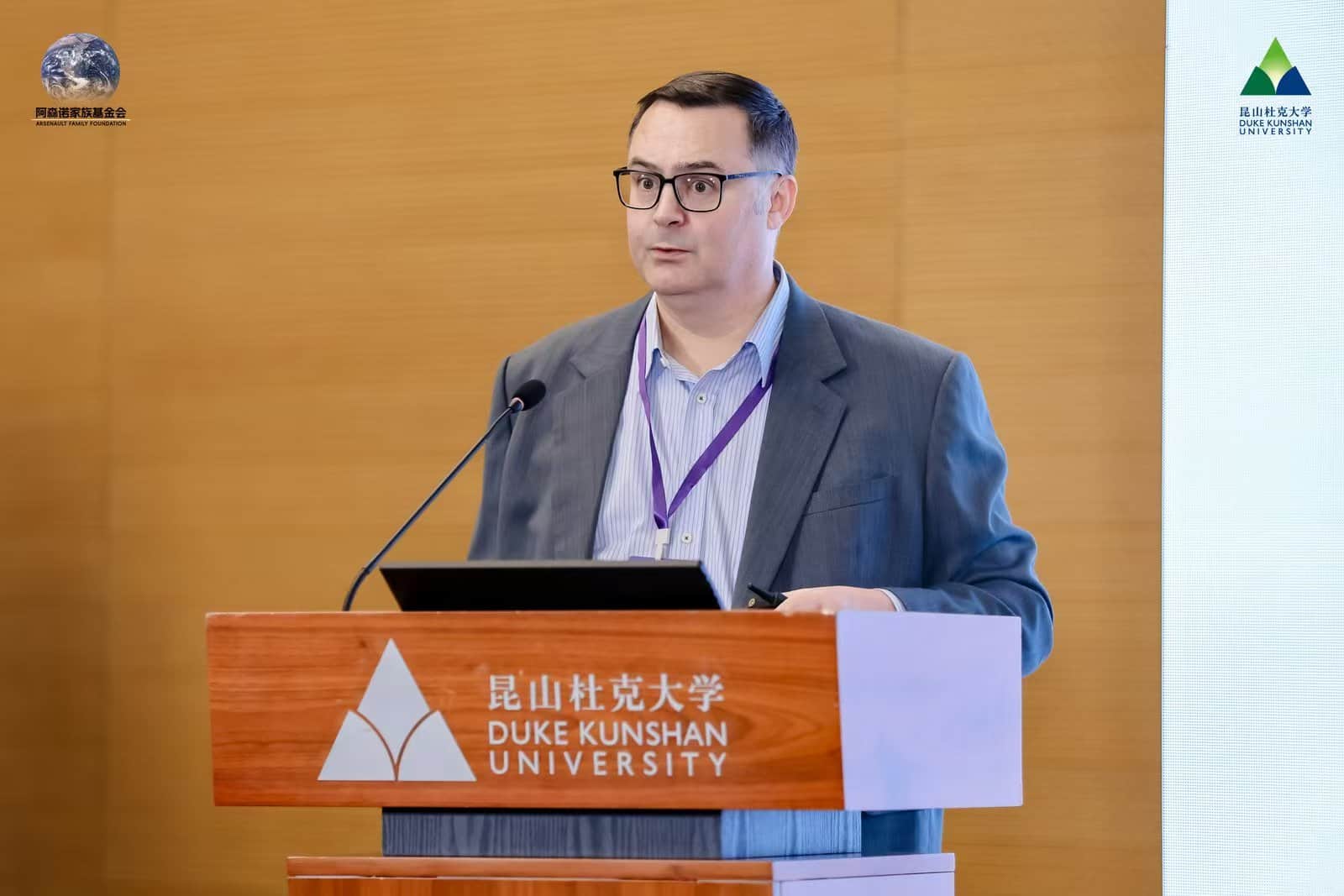
Gavin Smith, a professor at Duke-NUS Medical School, turned his attention to the interface between humans and animals. Tracing the transmission of H5N1 avian influenza from 1997 to 2005, he illustrated how the virus quietly evolved and reassorted in live poultry markets and domestic ducks, creating conditions for future outbreaks. His research highlighted a concerning reality: the most dangerous periods are not necessarily when an outbreak occurs, but often the seemingly uneventful days leading up to it. Without sustained active surveillance, critical early warning signals of the next cross-species transmission event could easily go undetected.
Alexander Millman
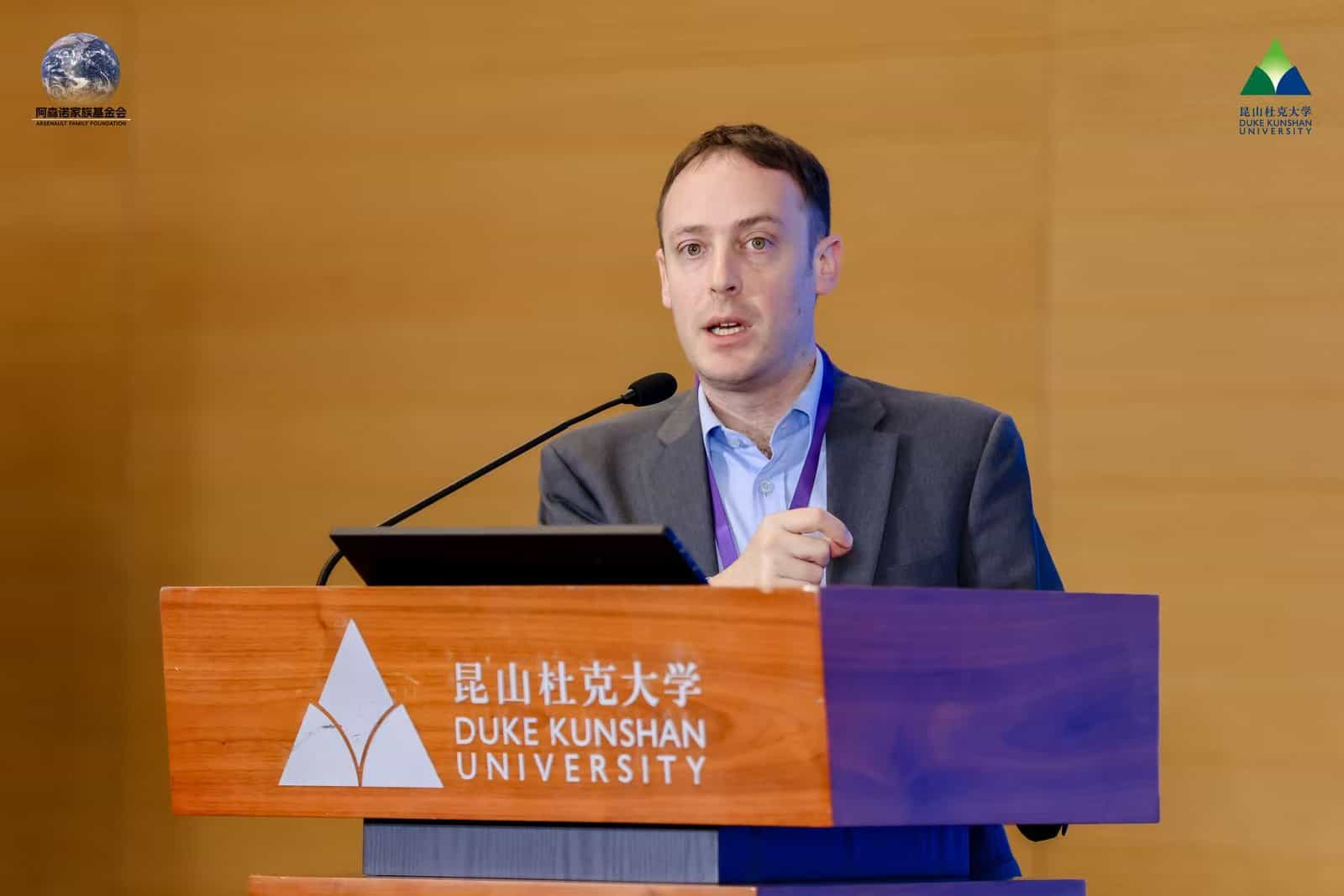
While the first three experts highlighted the importance of sustained preparedness through community networks, institutional development, and viral surveillance and tracing, Alexander Millman, country director of the CDC’s China office, demonstrated how such long-term efforts can translate into tangible results through a four-decade history of collaboration. Reflecting on U.S.-China cooperation in influenza prevention and control, he highlighted the expansion of the influenza surveillance network from 197 to 556 sentinel hospitals and from 63 to 411 laboratories. These achievements did not happen overnight. Rather, they illustrate the value of sustained investment, training, and coordination. He emphasized that such long-standing partnerships enable both sides to establish mutual trust and collaborate efficiently when emerging infectious disease threats arise. Trust is not built in the midst of a crisis; it is cultivated gradually through countless instances of routine cooperation over time.
Resilience is not built in emergency command centers; it grows through everyday collaboration. Disasters may strike without warning, but those who have invested in strong networks and partnerships long before a crisis are better equipped to respond with confidence and effectiveness when it arrives.
Who pays, and who decides?
We have the tools. But who will fund them, and who will ensure fair access?
Ming Xu
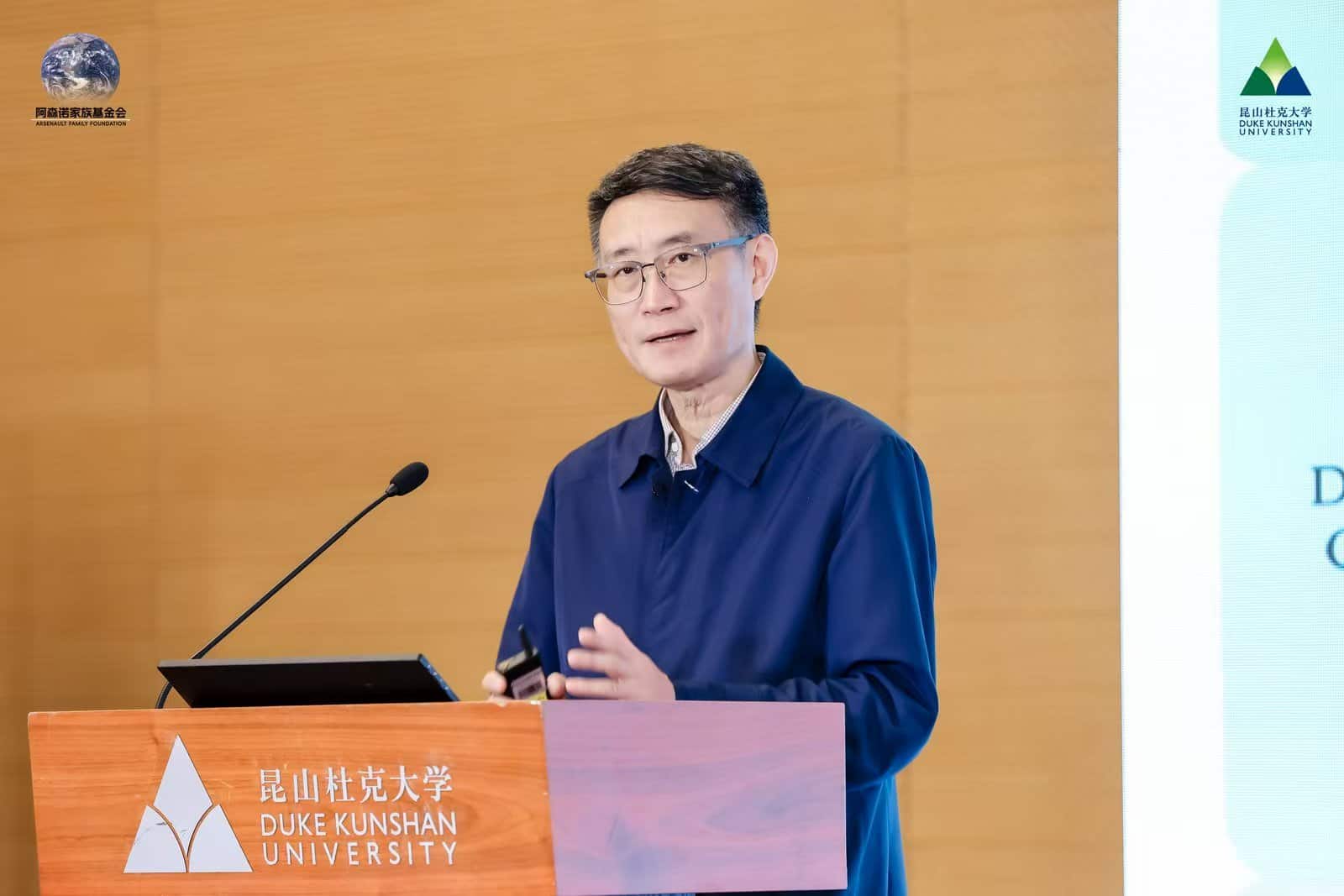
Ming Xu, chair of the Department of Global Health at Peking University School of Public Health, offered a sobering assessment. He identified three structural challenges in global health financing: unsustainable funding sources, with financial resources surging during outbreaks only to dwindle once the immediate crisis subsides; limited private-sector participation, as public health is largely regarded as a government responsibility, leaving little room for private investment; and a lack of coordinated action among stakeholders, with institutions pursuing their own initiatives without an overarching mechanism for integration. To address these challenges, he proposed a multilayered financing framework, ranging from incentive-based payments and emergency funds to parametric insurance and multilateral compensation mechanisms, designed to match different financing instruments with the needs of various stages of epidemic prevention and control. Putting such financing mechanisms into practice, however, requires political will and effective implementation structures.
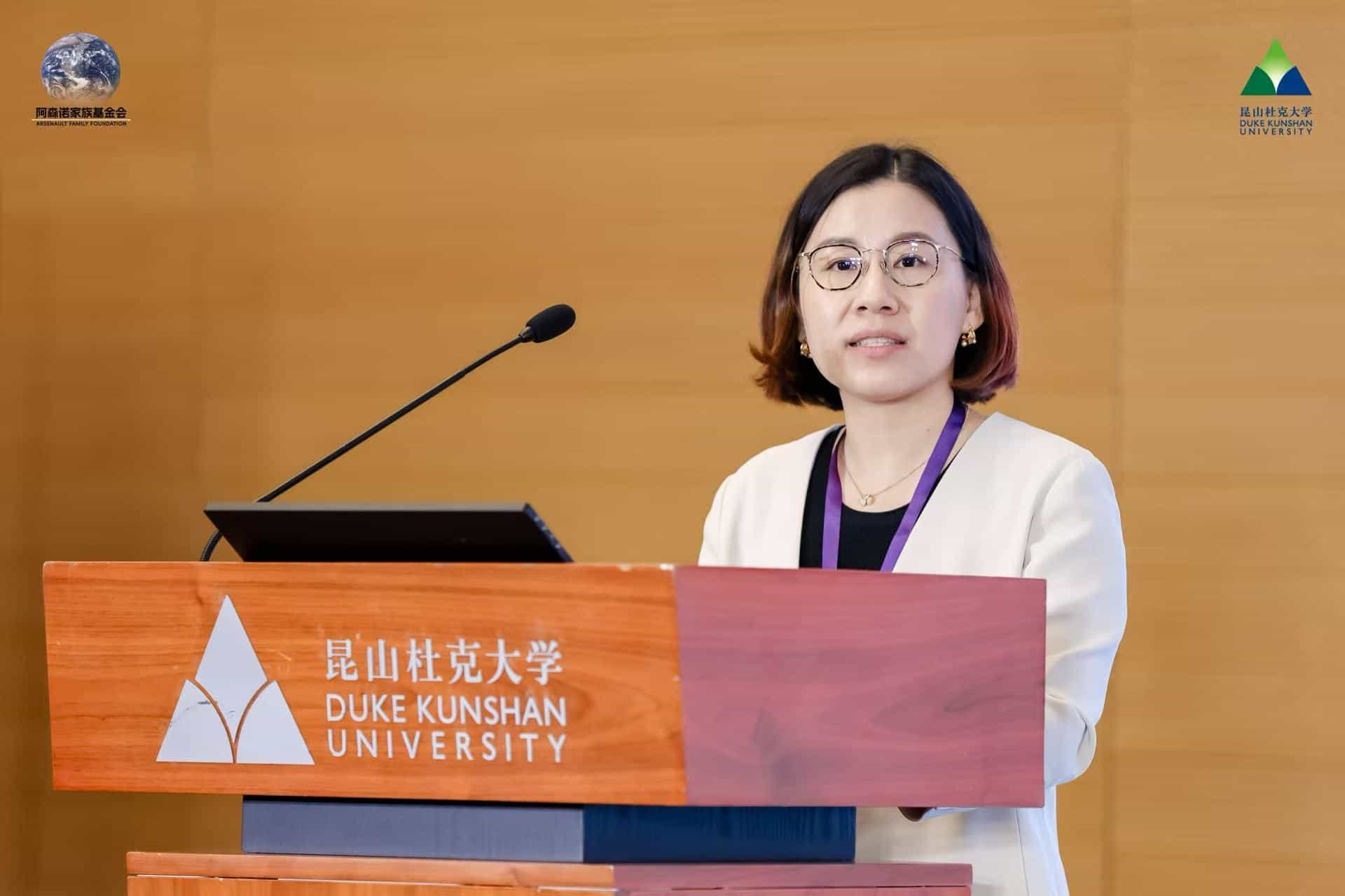
While Ming Xu focused on where the money would come from, Yi Zhang, associate professor at the Vanke School of Public Health, Tsinghua University, raised another fundamental question: how to ensure that funding is distributed equitably.
Yi Zhang
She traced more than six centuries of legal evolution, from the quarantine regulations introduced in the port of Ragusa in 1377 and the first International Sanitary Conference in 1851 to the revision of the International Health Regulations (IHR) in 2005 and the adoption of the WHO Pandemic Agreement in 2025. This long history reveals a fundamental tension that remains unresolved: How can pathogen sharing and benefit sharing be made equitable? Developing countries contribute virus samples and genetic sequences, yet when vaccines and medicines become available, developed countries are often the first to gain access. The inequitable distribution of vaccines during the COVID-19 pandemic was merely the latest manifestation of this longstanding challenge.
She concluded by quoting WHO Director-General Tedros Adhanom Ghebreyesus: “The next pandemic will not wait. Neither should we.”
Together, the presentations by Ming Xu and Yi Zhang underscored a fundamental reality: technologies and tools are only part of the defense against infectious disease threats. Sustainable financing and equitable governance frameworks constitute the “new infrastructure” needed to make these defenses truly operational. Without sustainable funding and fair mechanisms for resource allocation, even the most advanced diagnostic tools may remain confined to laboratories or, worse, remain out of reach of the very people who need them most.
Young scholars take the global health stage
While experts in the main sessions explored what approaches would be most effective, young scholars considered what they could do to make a difference.

Sami Gottlieb
Yu Wang
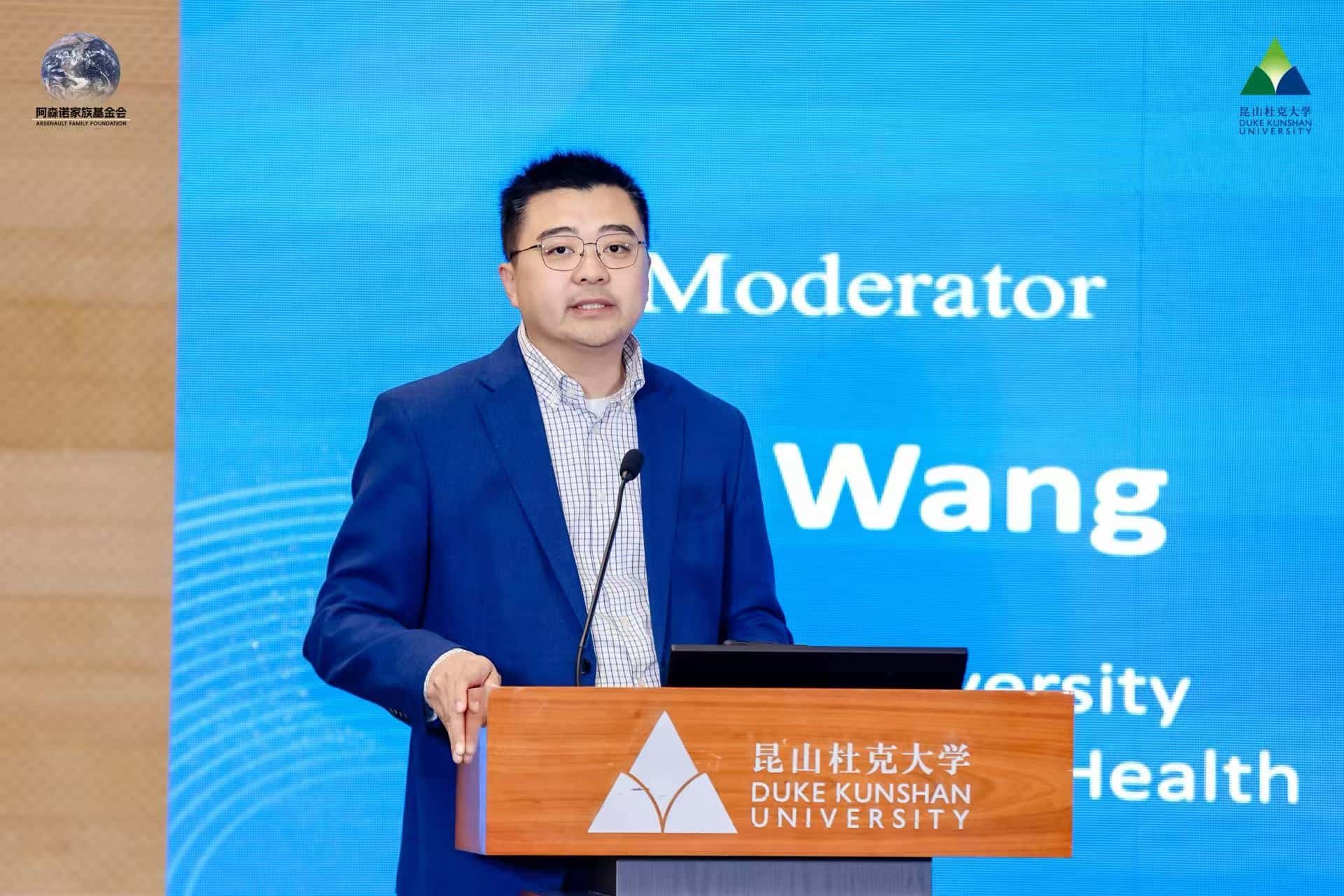
Among the highlights of the conference were two dedicated sessions that placed young scholars and students at the center of the discussion. The first session, moderated by Sami Gottlieb, visiting scholar at Duke Kunshan University, featured presentations by early-career researchers on emerging topics such as antimicrobial resistance gene surveillance, infectious disease early warning models, and public health financing mechanisms. Presenters also received feedback and insights from their peers. The second session, moderated by Yu Wang, lecturer at Peking University School of Public Health, provided a platform for Duke Kunshan University undergraduates and representatives of the student-led Global Health Research Society (GLORYS) to share their ideas and research findings.
Xi Qin
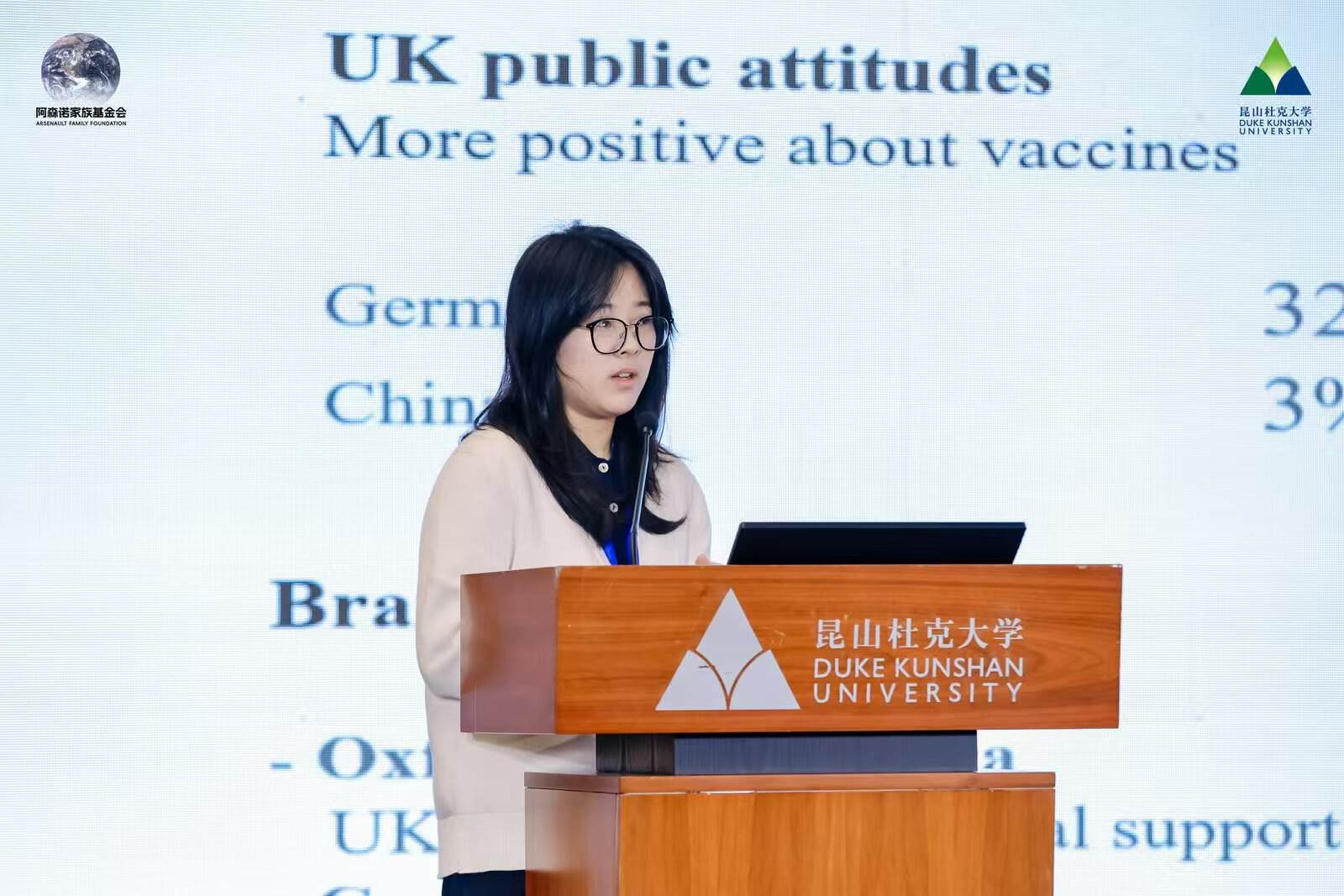
Xi Qin, president of GLORYS at Duke Kunshan University and a member of the Class of 2029, began by raising a seemingly simple yet important question: Does the country of origin of a vaccine influence public attitudes toward it? Drawing on classroom learning and real-world examples of vaccination, she and her team sought to explore this question. “This event provided us with a platform to explore real-world issues, share our perspectives, and grow together,” she said.

Wenmei Zhao
Turning to the challenge of translating scientific evidence into practice, Wenmei Zhao, a member of Duke Kunshan University’s Class of 2027, took the conversation a step further: Even when scientific evidence is available, how can we ensure that it translates into action beyond academic publications? Under the theme “From Evidence to Action,” she shared her research experience in TB, highlighting significant disparities across regions in public health resources, health care systems, and disease prevention and control capacities. These disparities, she observed, are not merely differences reflected in data, but realities that affect people’s lives every day.
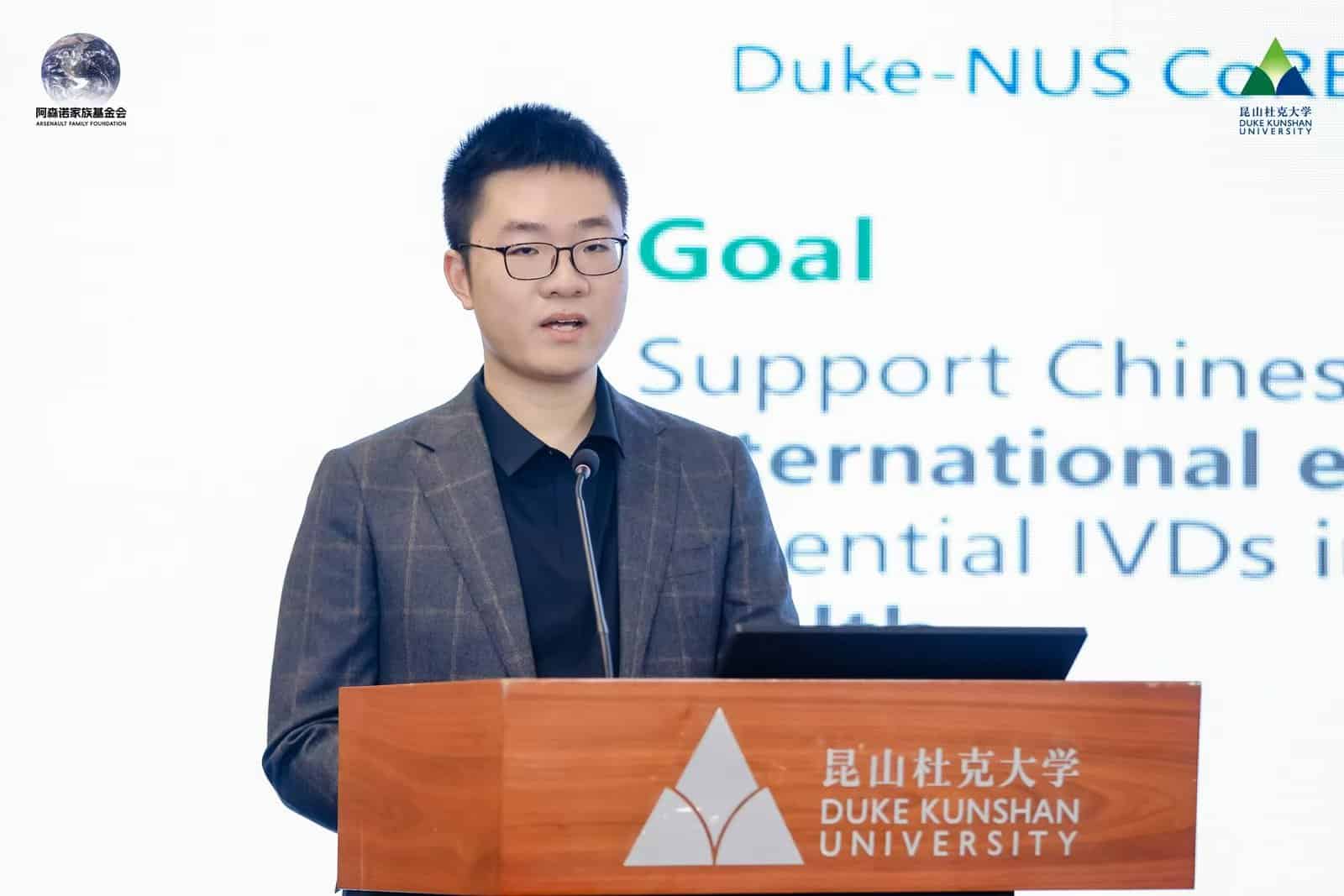
Jianning He
Jianning He, research fellow in health system and policy at the Global Health Research Center of Duke Kunshan University and a 2024 DKU graduate, shifted the focus toward a more practical challenge: Chinese in vitro diagnostic (IVD) companies have advantages in manufacturing capacity and cost efficiency, but can these strengths translate into improved access to health care in low- and middle-income countries? In other words, how can China’s manufacturing capabilities be effectively aligned with the specific needs of these countries? His reflections extended the themes of problem identification and translating evidence into action raised by the previous two speakers into the realm of practical application in industry.
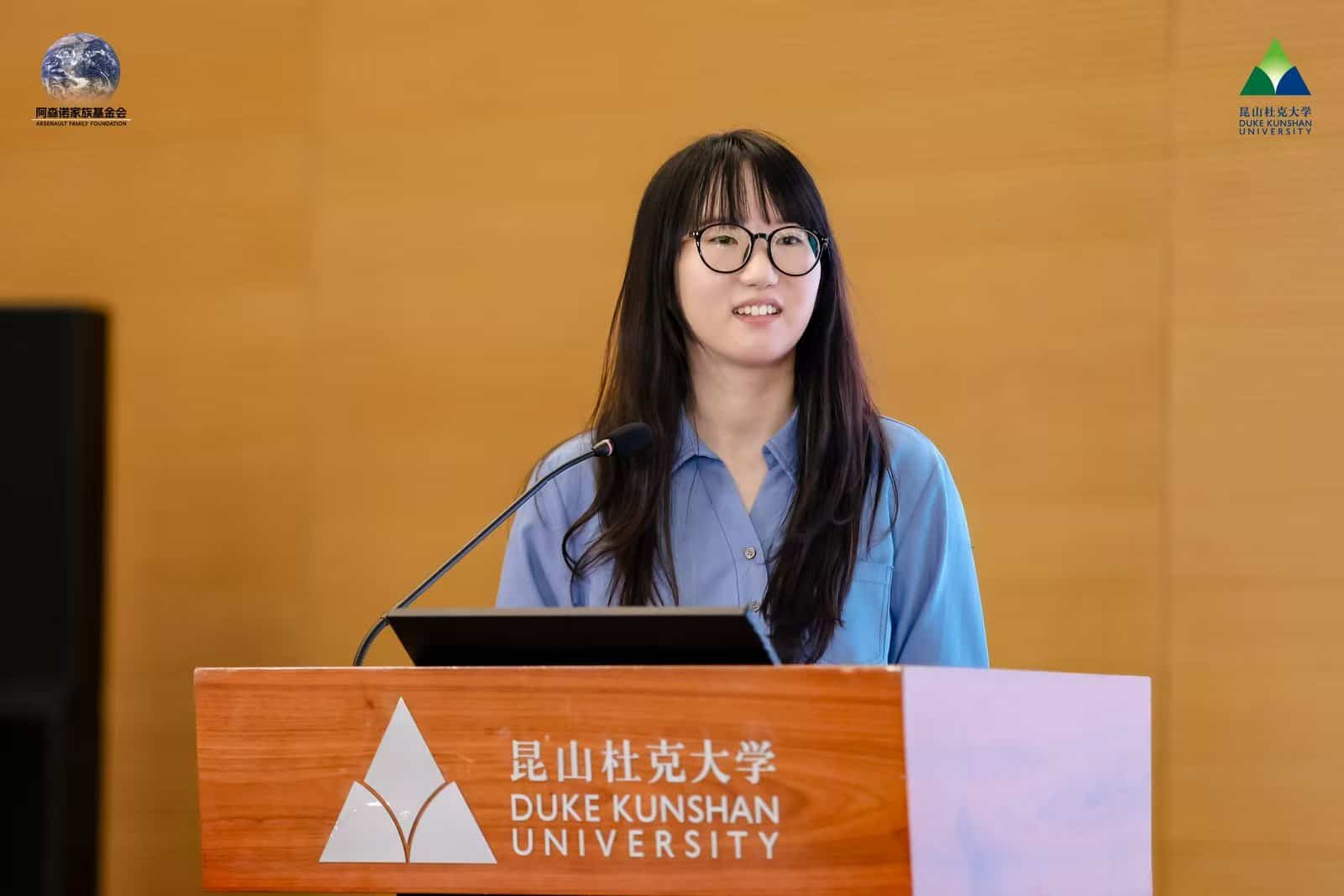
Xiqian Feng
Xiqian Feng, research fellow at the Global Health Research Center of Duke Kunshan University, captured a sentiment shared by many young participants: “Scientific research requires not only sustained individual exploration, but also open exchange and collaboration across disciplines and diverse backgrounds.” She noted that interactions with participating experts and fellow researchers introduced her to perspectives she had never previously considered. Some insights came from feedback offered by senior professors, while others emerged from casual conversations with peers standing beside neighboring research posters.