
For Yueqi Dou, a senior at Duke Kunshan University, one class from three years ago still stands out in her memory.
It was an anthropology class taught online during the pandemic by Robin Rodd, associate professor of anthropology, with students joining from different countries and time zones. As the discussion opened up, one classmate in Barcelona started talking about the city’s metro system, while students in China and Vietnam described everyday life around them.
“I really felt the charm of anthropology,” she said. “I realized that even the most ordinary parts of everyday life hold so many fascinating questions worth exploring, and that people from different cultures can listen to one another’s stories with openness and curiosity.”
Moments like that are common at DKU, where students come from about 70 countries.
Students debate international trade and economic growth in political economy courses, discuss the environmental consequences of donated farm equipment in developing countries, think through how to reduce smoking or discourage cutting in line in behavioral science classes, and examine aging, healthcare systems and public policy in global health courses.
Gergely Horváth, associate professor of economics and chair of DKU’s Division of Social Sciences, said the division brings together economics, public policy, political science, anthropology, sociology and other fields. Many of its majors combine two or three disciplines by design, so that students learn to think alongside people trained to ask different kinds of questions.
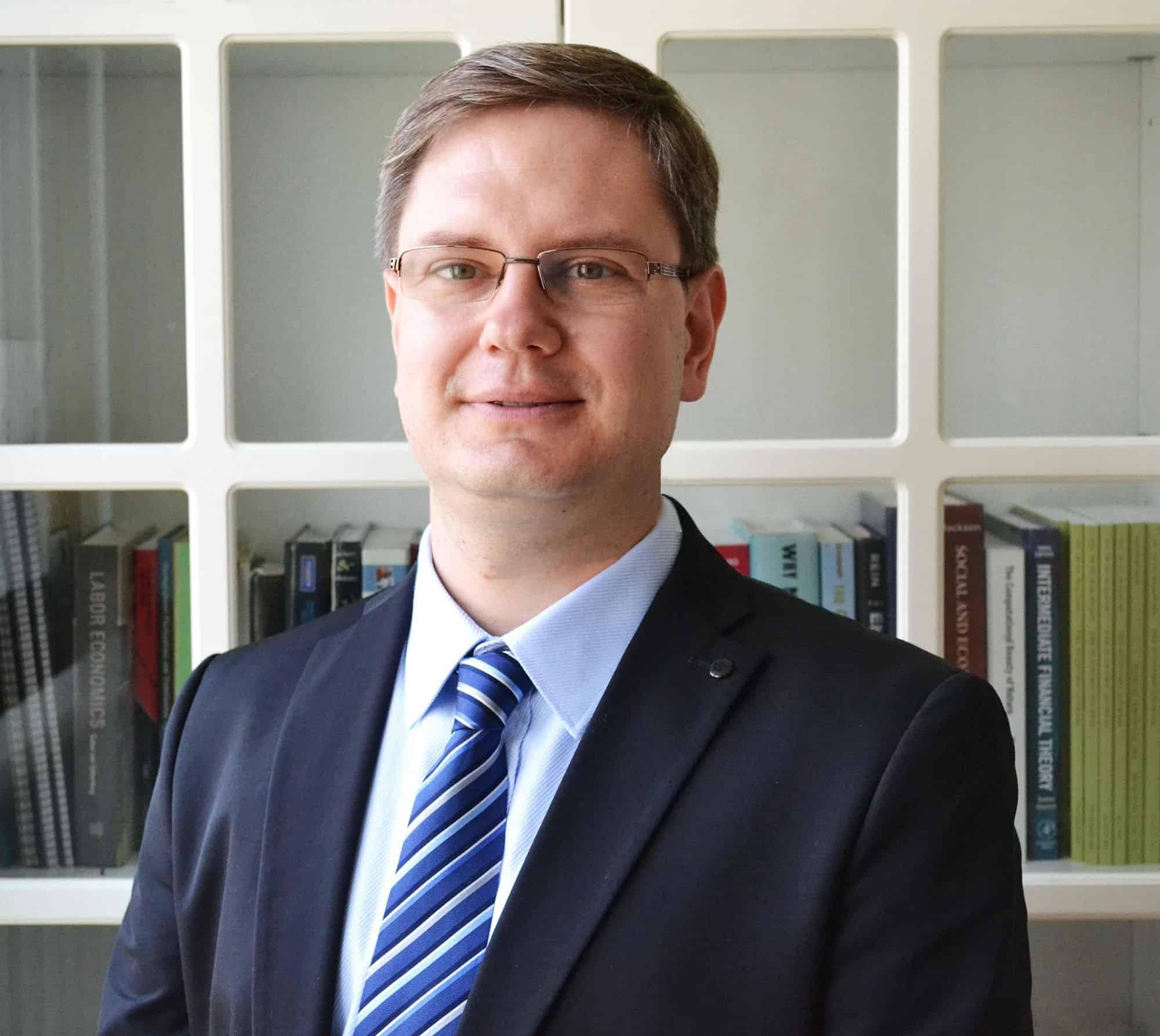
Horváth joined DKU in 2020 after years of teaching in a business school. Though trained as an economist, he said he had long thought of himself as “more like a social scientist,” someone interested less in economics as a narrow technical field than in how economic questions intersect with politics, psychology and society more broadly.
That was one reason DKU appealed to him. Another was the classroom itself.
“With small classrooms and smart students, you can interact with students in a much closer way,” he said, “and talk about your own research and interesting research questions with them.”
A policy that works in China, he noted, may not work in the U.S. or Germany. History matters. Culture matters. Context matters. That, he said, is why cross-cultural and cross-disciplinary exchange matters so much.
Lincoln Rathnam, assistant professor of political science and the division’s associate chair, arrived at DKU from a different path but found the same attraction. A graduate of a U.S. liberal arts college, he had long valued intimate learning environments where discussion and close faculty-student exchange matter. When he first heard about DKU while teaching at Davidson College in North Carolina, he was intrigued.
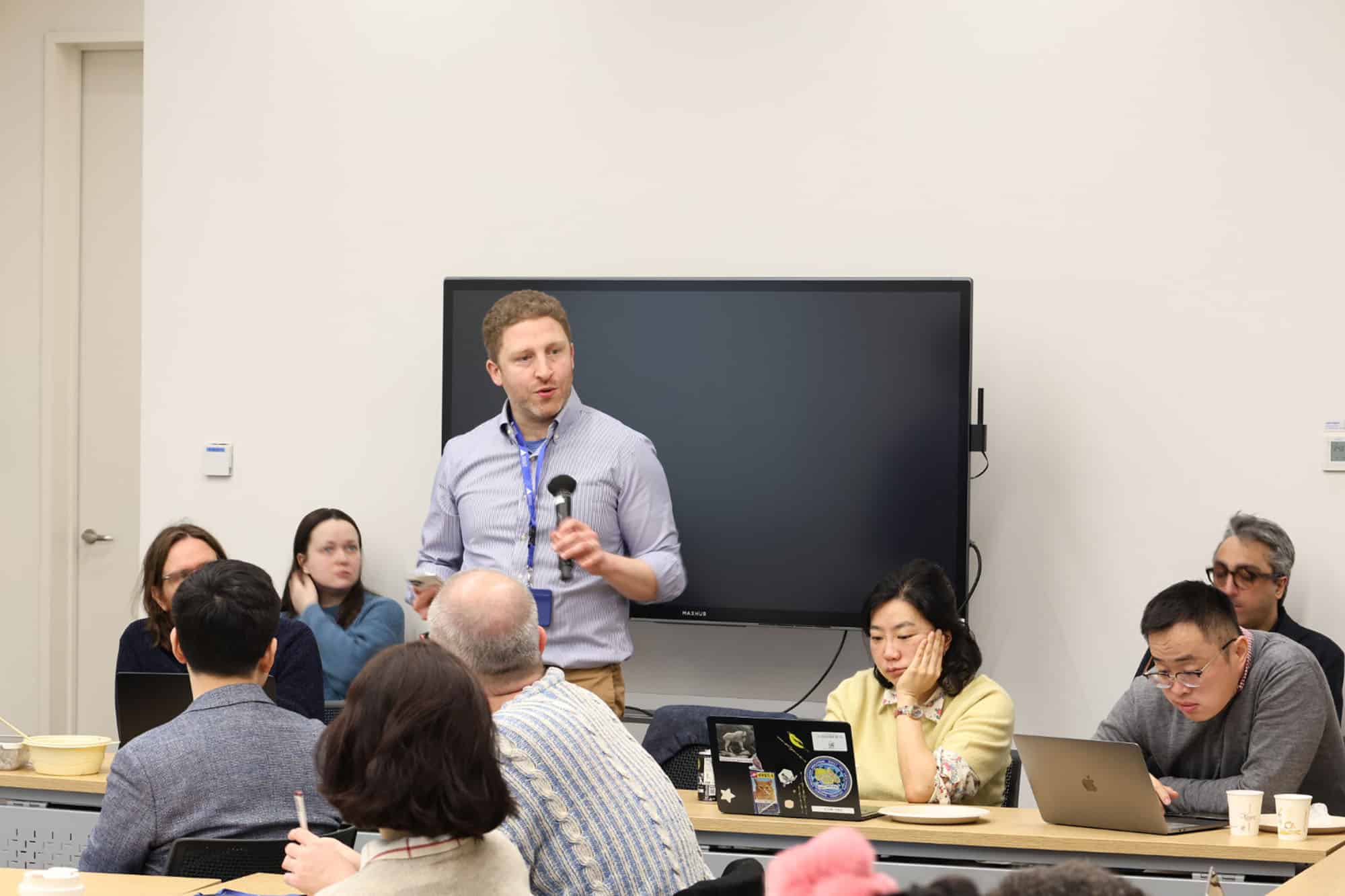
“One thing that attracted me to DKU was seeing how that kind of model would work in a different context,” he said.
Where disciplines meet
One of the clearest examples of that approach can be found in the classroom of Claudia Nisa, assistant professor of behavioral science.
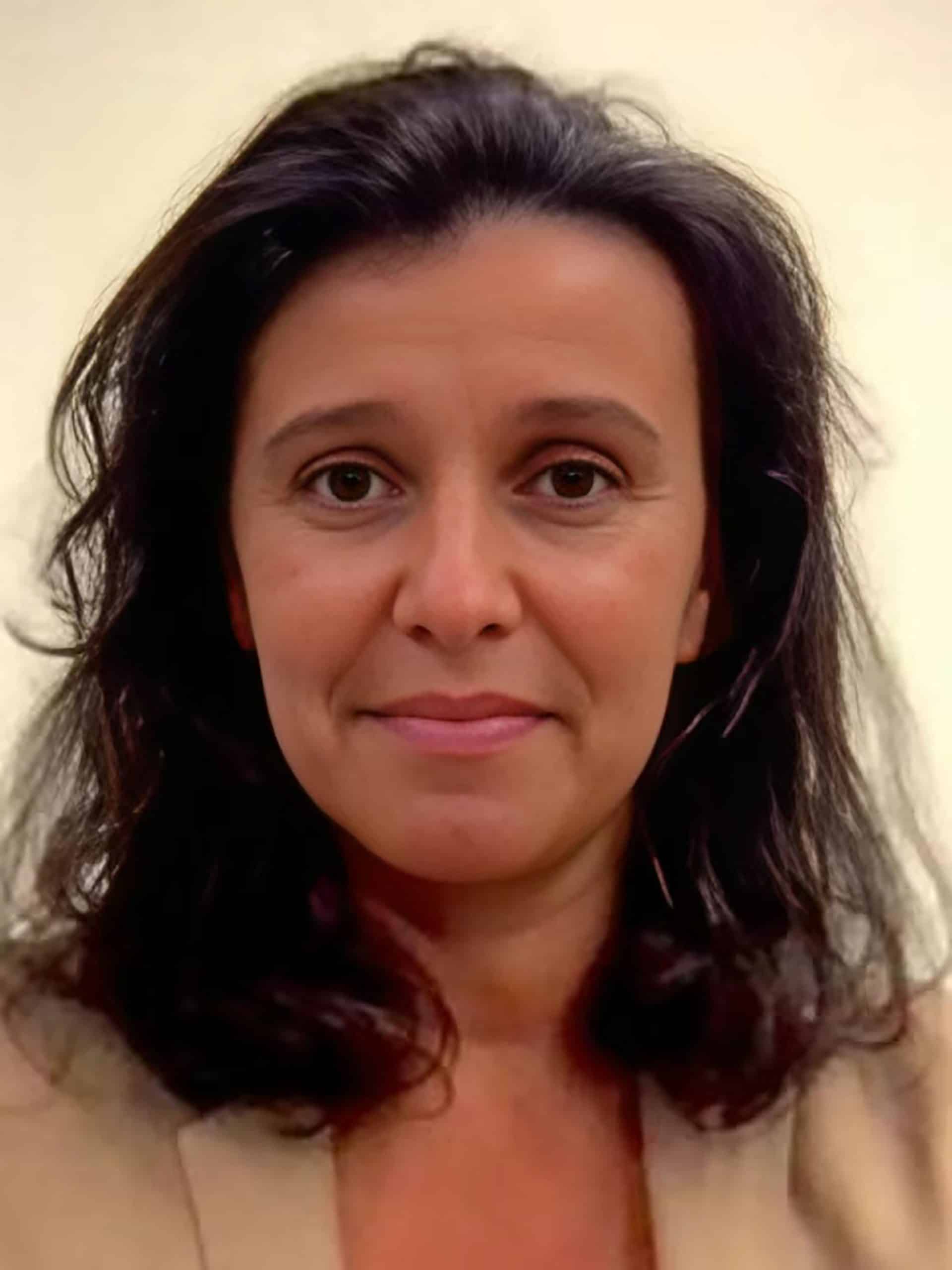
She studies how people make decisions and how behavior can be changed. One project she discusses with students begins with a deceptively simple question: if you want to encourage people to complete a cancer screening, what kind of incentive works best?
One option is to offer people 100 yuan after they finish the test and return the results. Another option is to give them 50 yuan when they pick up the screening kit, then another 50 yuan when they complete the test and turn it in.
The second works better.
The result is explained by a behavioral science theory (Prospect Theory) which proposes that people prefer multiple gains to a single gain of equal value.
Claudia Nisa teaches courses in behavioral science, psychology and global health. Many of her students do not plan to major in those fields, so she tries to help them see how behavioral science reaches into everyday life.
The questions she raises in class are practical and familiar: How can we reduce smoking rates? How can we discourage people from riding without helmets? How can we prevent students from reserving library seats they never use?
Sometimes those discussions lead to ideas students want to pursue beyond class. Last semester, Tim Steiner, a Class of 2028 student from Germany, proposed working with a metro system to create phone-free train carriages, to influence passengers to spend less time on their devices. She thought the idea had promise, and together with students she is now exploring whether it could move forward in Suzhou with support from DKU’s innovation incubator InE.
She deliberately mixes Chinese and international students in groups, knowing that students from different backgrounds may see the same issue differently.
Smoking is one example. In China, smoking tends to be closely tied to business dinners or family gatherings. In other cultures, it may be associated more with fashion or artistic identities.
“When students from different countries exchange their cultural differences,” she said, “they may come up with ideas that are more interesting — and sometimes better — than those of people who grew up in the same cultural environment.”
The same emphasis on questioning and connection also shapes the teaching of Paula Ganga, assistant professor of political economy.
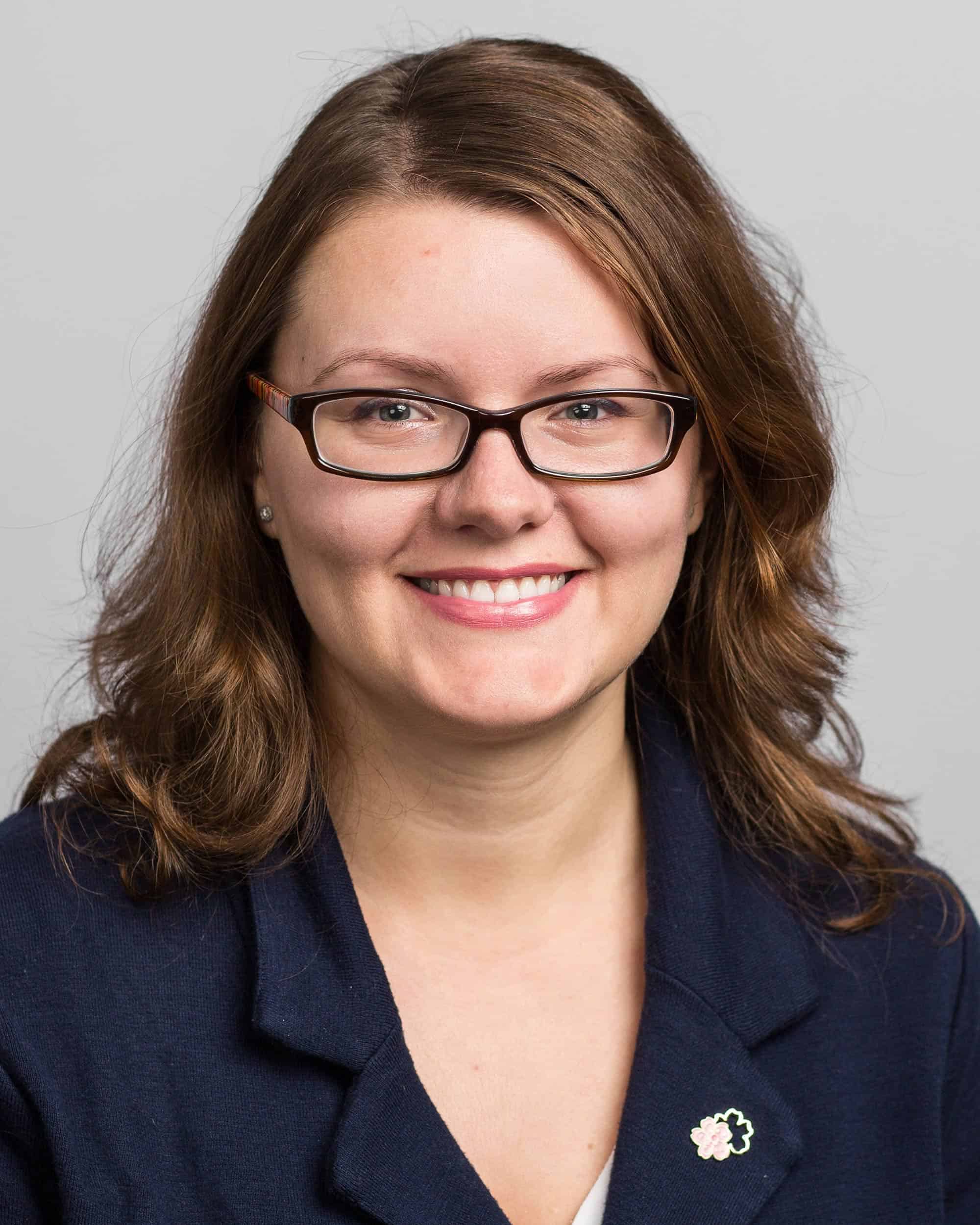
Ganga often brings current events into class and asks what larger questions they reveal. She has been struck by how readily students engage with topics that may initially seem far from their own lives.
Sometimes students take the discussion in unexpected directions.
One student asked Ganga what happens when tractors and other agricultural equipment donated to developing countries break down and are left unused. What kind of environmental burden does that create? She realized she had never seriously thought the question through. Soon, she and the student were developing it further, eventually securing support through DKU’s Summer Research Scholars Program.
That movement across boundaries also extends to the study of ideas.
Rathnam recently finished a book comparing the ethical and political thought of the ancient Chinese philosopher Zhuangzi and the French thinker Michel de Montaigne. The project asks how two thinkers separated by language, time and circumstance thought about disagreement, conflict and coexistence.
“One of the hardest parts,” he said, “was resisting easy comparisons: showing not just that the two thinkers feel similar in some broad way, but how their ideas can be meaningfully compared despite their very different social and political worlds.”
For Rathnam, that kind of work reflects something fundamental about DKU: difference is taken seriously, but it is not treated as a barrier to thought.
Yueqi Dou saw that kind of intellectual moment firsthand in SOSC102, “Research Methods in the Social Sciences,” a required course for all social science majors. Taught jointly by sociologist Fangsheng Zhu and behavioral scientist Kristinn Már Ársælsson, it exposed her not only to methods outside her own field, but also to classmates with very different intellectual instincts.
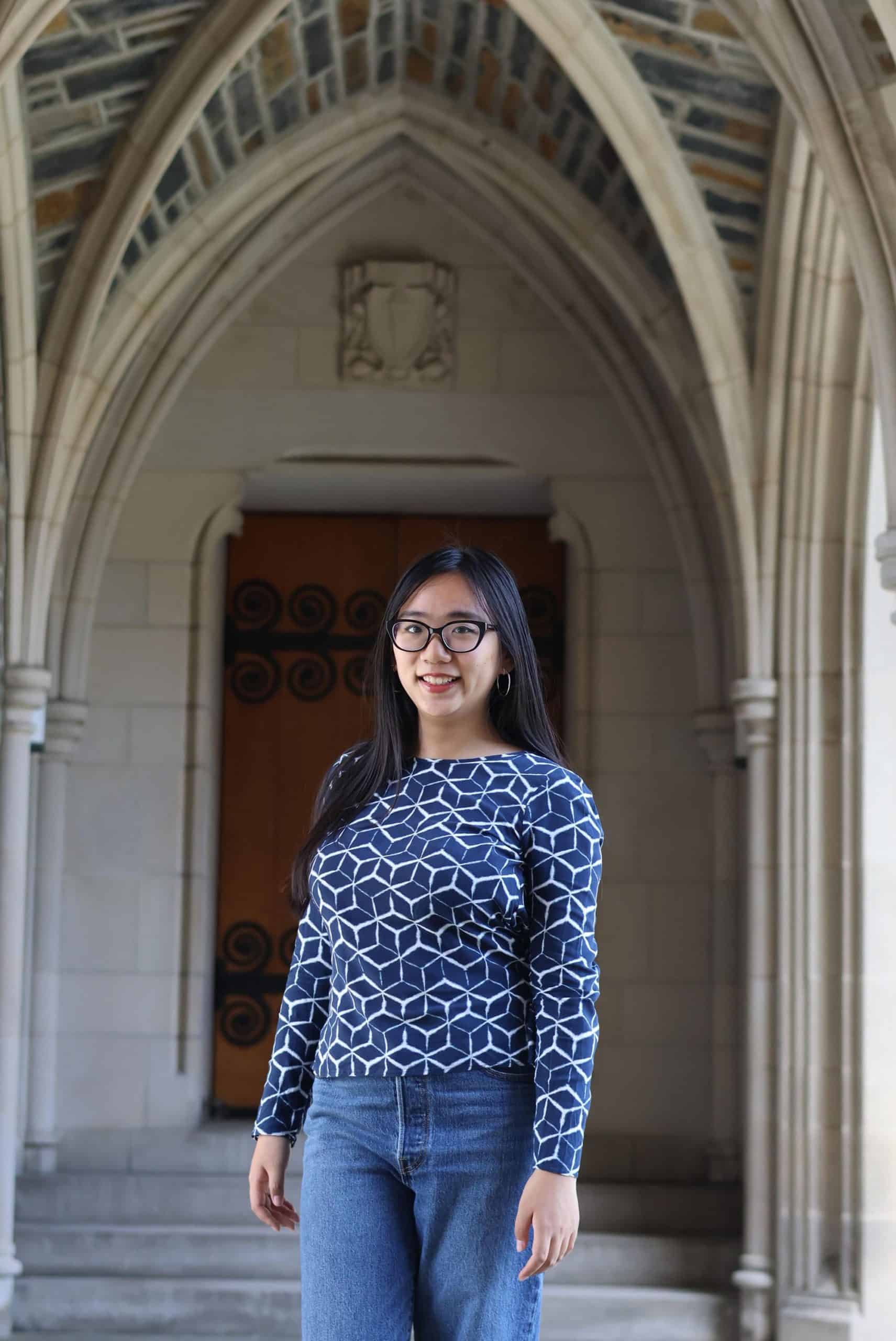
For the final project, she teamed up with a global health student to study doctor-patient relationships. Together, they interviewed doctors and nurses, debated which methods made the most sense and argued over what kind of evidence would be convincing. By the end, they had built a project that combined qualitative and quantitative analyses, and learned a great deal about each other’s disciplines in the process.
Now preparing for graduate study, Dou believes the knowledge and skills she gained in DKU’s social sciences are highly transferable.
“Whether you go into academia or into the workplace,” she said, “they make you very competitive.”
From curiosity to inquiry
At DKU, classroom discussion often turns into research.
Horváth said the division encourages students to join faculty research projects. It now has 10 labs designed to support faculty-student collaboration, and many students begin doing research as early as their first year.
At the same time, he said, the line between teaching and research is often blurry.
“It’s very hard to distinguish research from teaching,” he said.
Students may begin by developing proposals in class, then carry those ideas further as Signature Work, DKU’s undergraduate capstone research project, or as part of faculty-led work.
One of the clearest examples comes from Jason Douglas Todd, assistant professor of political science.
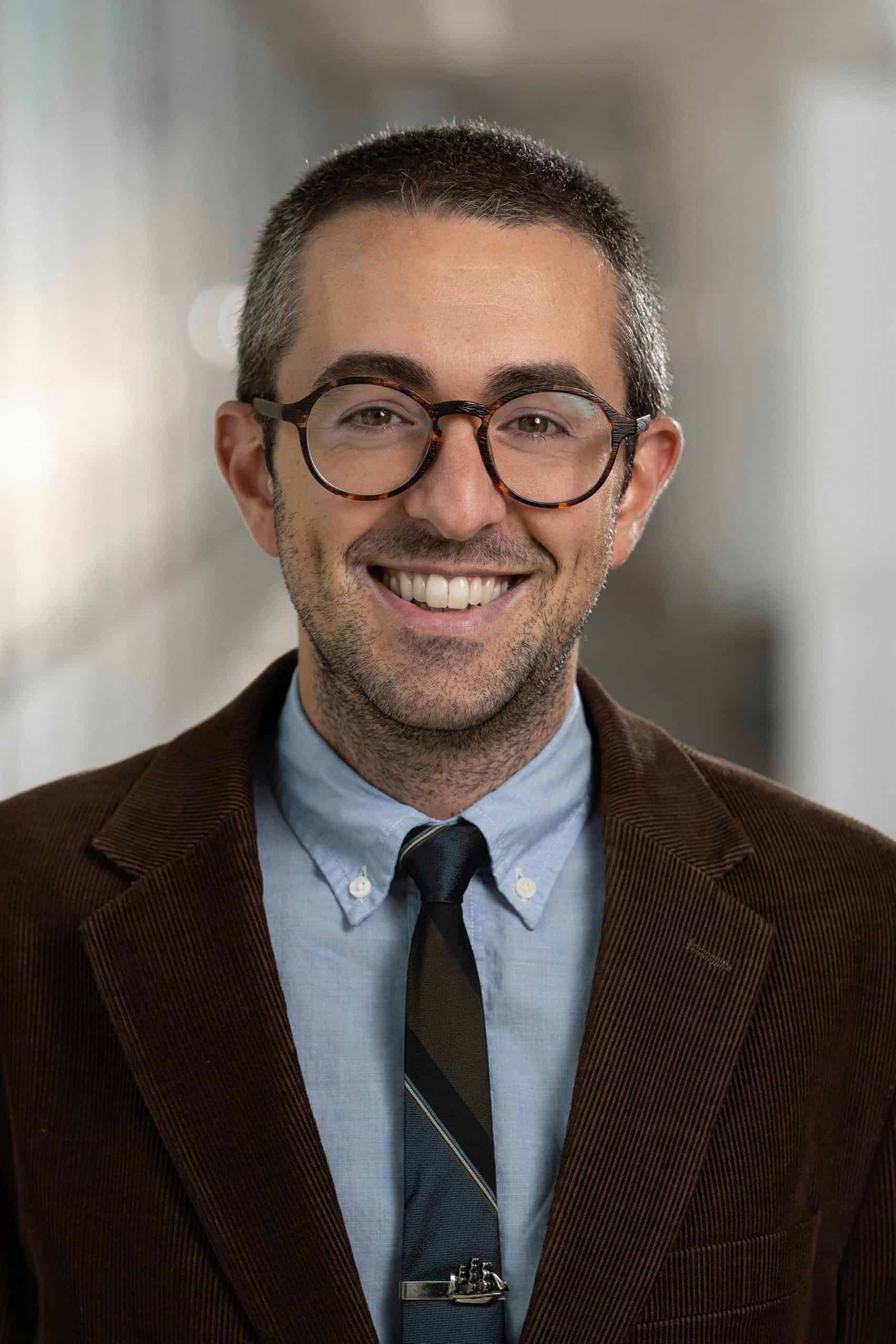
“Undergraduates have participated in almost every one of my research projects in one way or another,” he said.
Their work, he said, has helped him build connections across electoral contexts, enrich his research and bring more real-world cases into the classroom.
One student stands out in particular: Simon Rutter, a Class of 2025 graduate whose project examined how aid and foreign direct investment shape both perceived corruption and actual corruption in Africa.
Finding the right question took time. Over weekly lunches, Todd and Rutter kept circling possibilities without quite landing on one. But Rutter did not let go. He read widely for an entire semester before settling on a focus. Then he taught himself statistical methods beyond the requirements of his coursework, immersed himself in the literature and showed up to meetings carrying stacks of heavily annotated material.
During data collection, he emailed institutions and scholars relentlessly until he assembled seven rounds of Afrobarometer survey data from 1999 to 2017, a database Todd described as larger than those used in any previously published study on the topic.
“He put in countless hours reading, collecting, analyzing and writing,” Todd said, “not to impress an admissions committee or an employer, but simply because he wanted to find the answer.”
Paula Ganga has seen the same enthusiasm. When she hires research assistants, she often receives applications from students across the university. She cannot take all of them. Even so, many of the students she turns down keep following up, asking what stage her other projects are at and whether they can be involved in any way even without pay.
“I love our students,” she said. “I can see how passionate they are about research.”
Ganga had originally planned to study international competition in quantum technology, which she believes may become one of the next major technological frontiers after AI. She asked students to gather material on China, the U.S., the EU and Australia.
Then one Chinese student told her the same dynamic was also playing out across Chinese cities. The student came from Hefei, a city that has invested heavily in quantum technology and now hosts nearly one-third of China’s quantum tech companies.
That changed the direction of the project. Ganga turned her attention toward China’s quantum policy and the ways different provinces and cities are trying to foster the industry. The project received a faculty-student collaborative project grant from the university’s Center for the Study of Contemporary China and has already produced early results, with findings scheduled to be presented this April at the Midwest Political Science Association conference in Chicago.
Back to everyday life
The final test of those questions is whether they can hold up in the real world.
The shift came early in the career of Meifang Chen, assistant professor of health policy. She began in clinical and public health settings, but soon saw that many health problems — especially chronic diseases — are shaped less by medical factors alone than by larger social and structural conditions. Her research gradually turned toward population aging and long-term care systems, asking which policies are effective, for whom, under what conditions, and with what consequences.
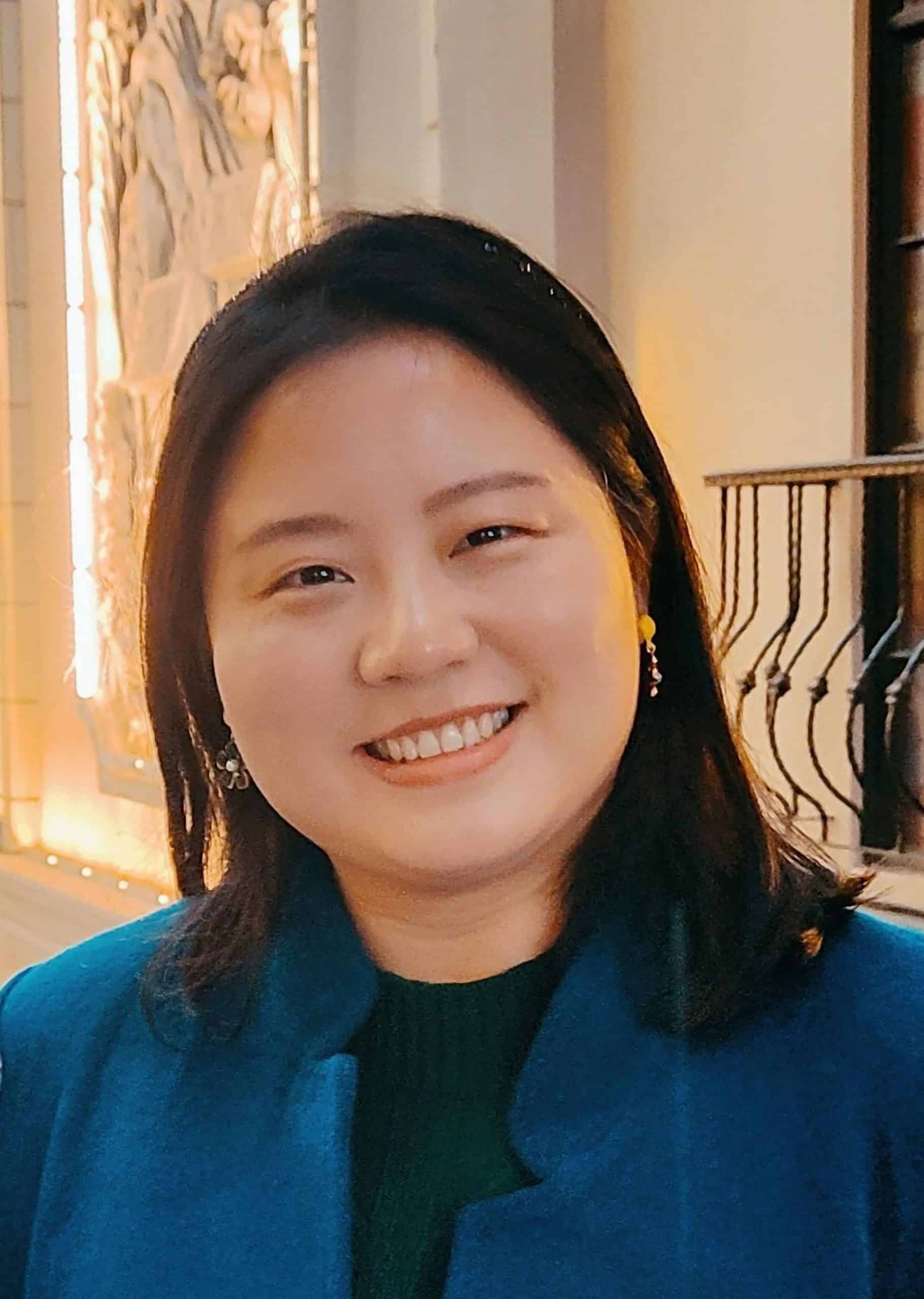
That perspective also shapes her teaching.
In her course on the social determinants of health, students work with local communities in Kunshan to assess the needs of older adults and caregivers. Through repeated visits, they work directly with community members. Later, those same community members come to campus to discuss the students’ findings and offer feedback, helping ensure that the proposed solutions are ethical, feasible and grounded in local realities.
“In this process, students connect what they learn with real life,” Chen said. “Health and aging stop being abstract concepts. They become lived experience.”
Hollie Wright, a Class of 2027 global health major from the U.S., came to a similar realization from another direction. After working as an environmental technician in several hospitals during the pandemic, she became convinced that many health problems are also social problems.
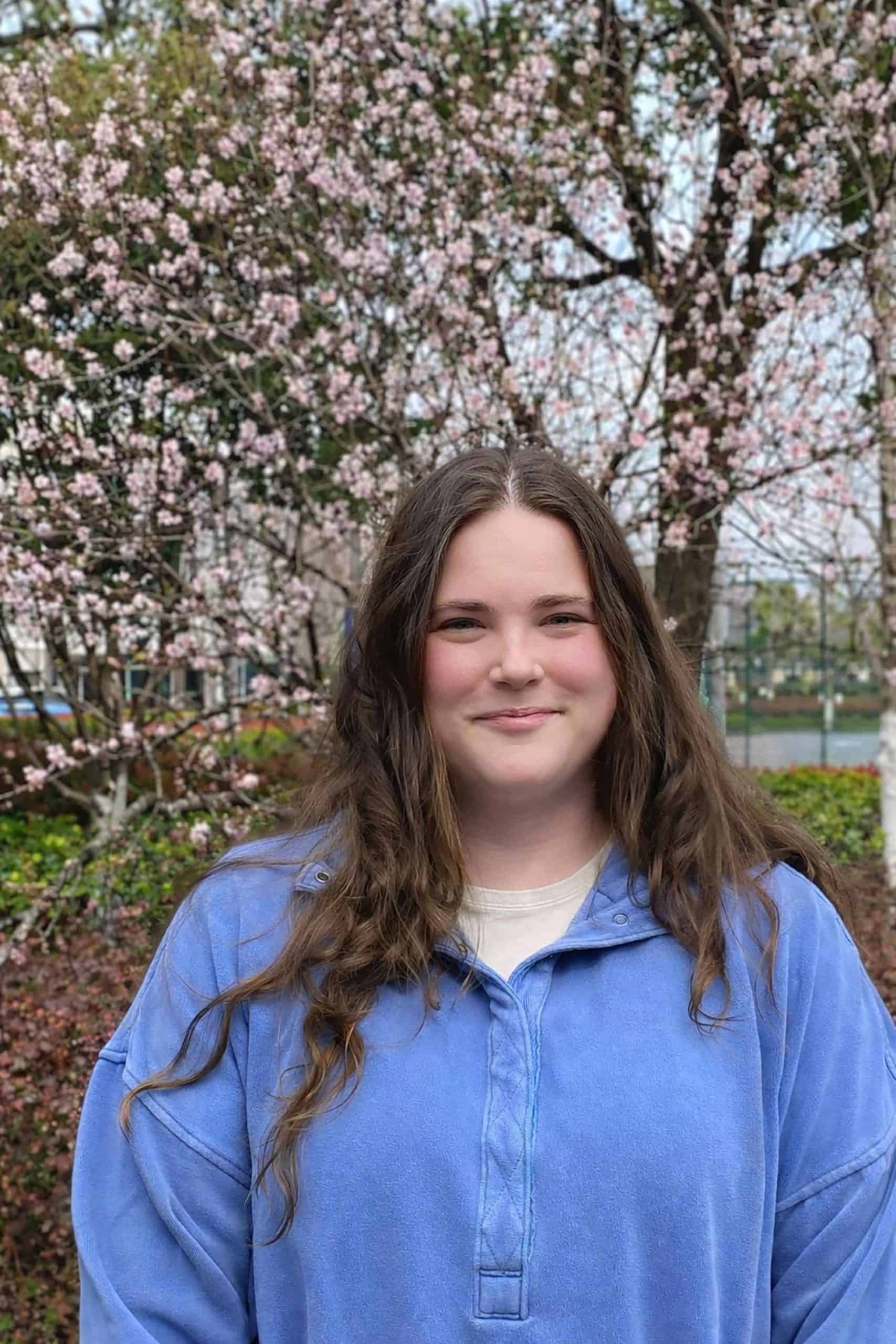
Claudia Nisa’s course on media and health communication pushed that insight further. Wright had once assumed that if people simply knew more about health, they would naturally make better choices. Over time, she came to see how incomplete that assumption was. Warnings about the dangers of smoking are everywhere, yet the issue persists decade after decade.
So she chose secondhand smoke as the focus of her Signature Work project. She plans to gather students’ perceptions and experiences of secondhand smoke, propose interventions and help improve smoking-related policies on campus.
Claudia Nisa is also working with the Kunshan Health Commission to develop a WeChat mini-program, a lightweight app that runs inside WeChat, for postpartum families. Once registered, family members receive educational videos about smoking danger, and advising smoke-free homes.
“Many of the world’s biggest problems are fundamentally about human behavior,” Claudia Nisa said. Understanding the science, she added, is the recommended first step; what matters next is how using that knowledge can help solve real problems in people’s lives.
Rasoul Namazi, associate professor of political theory, said DKU’s multicultural environment is itself part of the education.
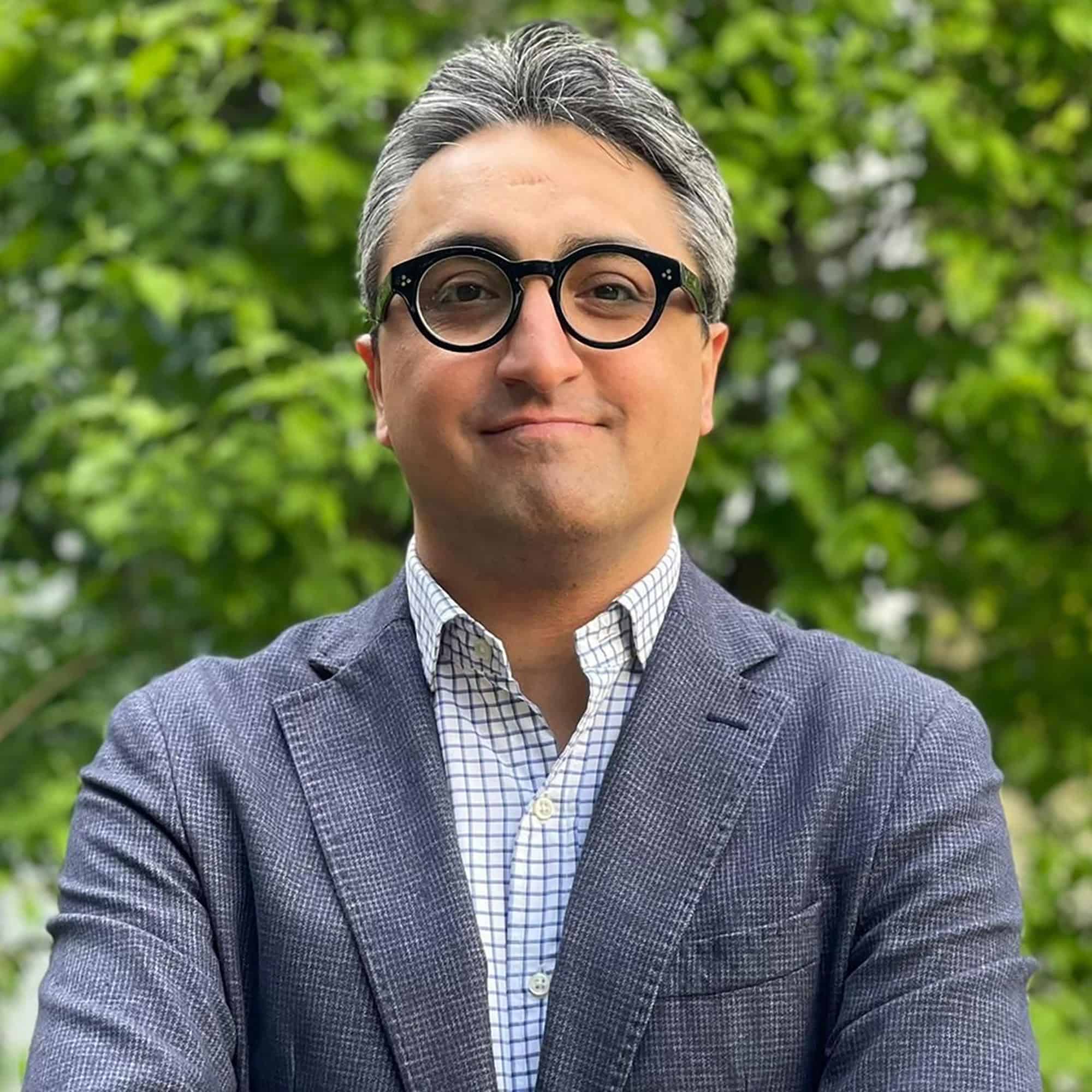
“The world is increasingly coming to resemble DKU’s multicultural environment,” he said.
In his view, the university gives students an unusually strong setting in which to build the cultural and communicative skills they will need in an evolving world.
That, in the end, is what Horváth sees at the core of the division’s work. Looking ahead, he said, DKU hopes to offer even more support for student research, helping students identify questions that genuinely matter to them.
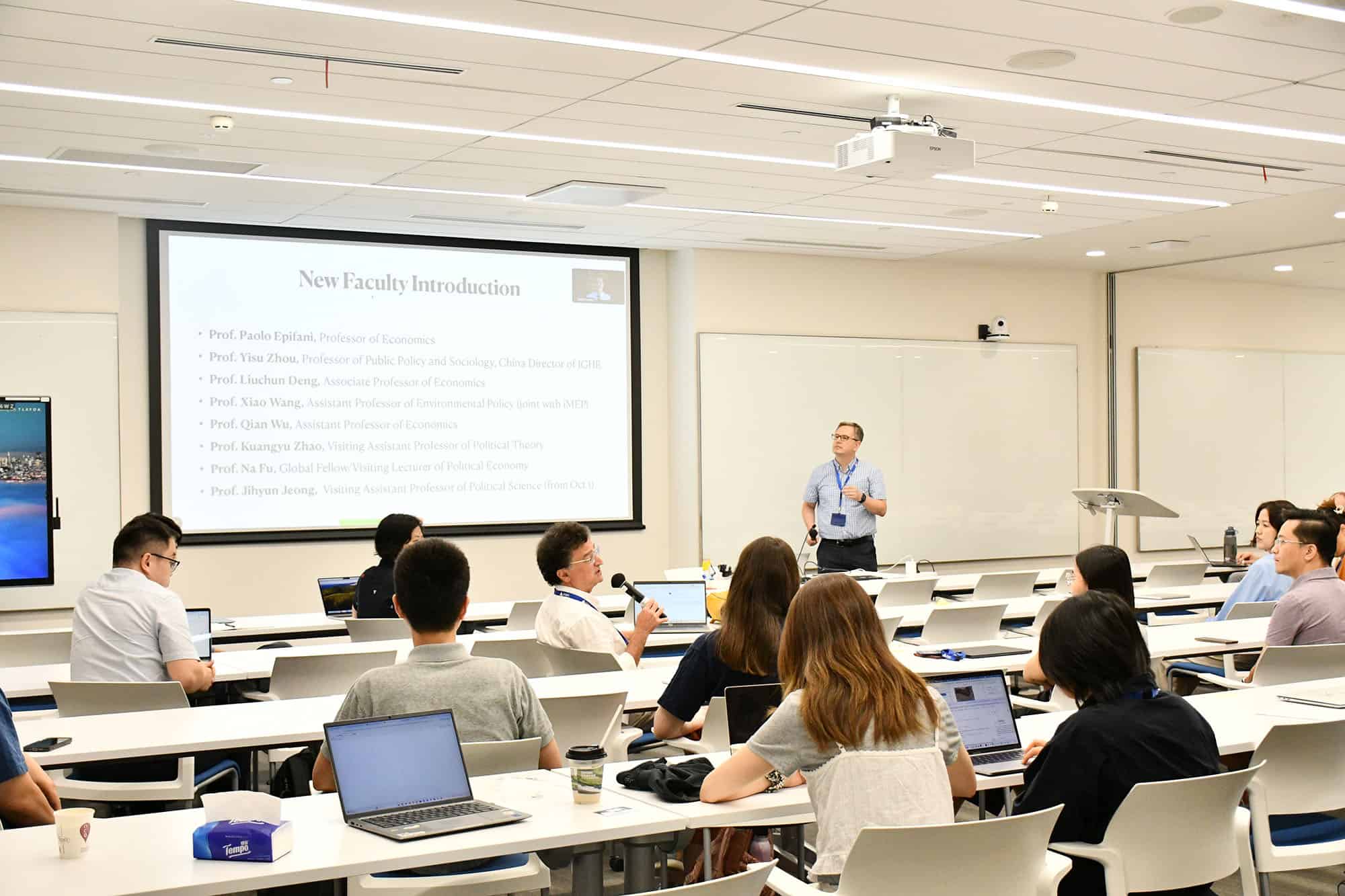
For him, part of the value of social science is that it resists easy answers.
“It is not like natural science,” he said, “where if I do this experiment 15 times, I always get the same result.”
But that does not mean the world is random.
“Still,” he said, “you would think that there should be some regularities to discover.”
