
Before they became professors, they were making very different kinds of decisions.
One dropped out and joined the Canadian Army. One chose journalism over graduate school. One tested a future in finance and found herself questioning it on a crowded Beijing subway. Another spent more than a decade at a Big Four accounting firm before turning to academia. Another served as a volunteer police officer in London.
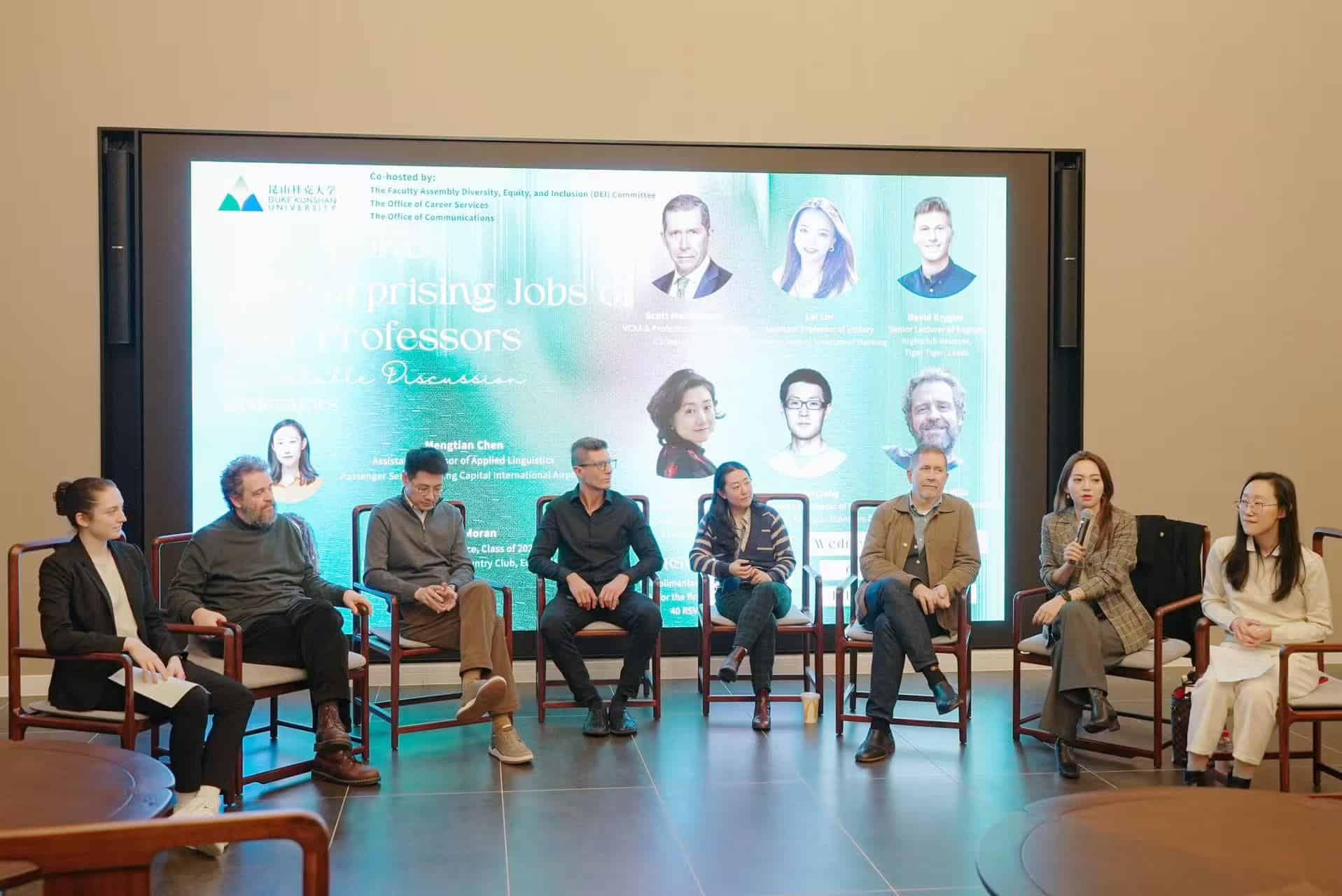
Those stories formed the heart of “Before DKU: The Surprising Jobs of Your Professors,” a recent panel at Duke Kunshan University that invited faculty members to reflect on the work they did before entering academia.
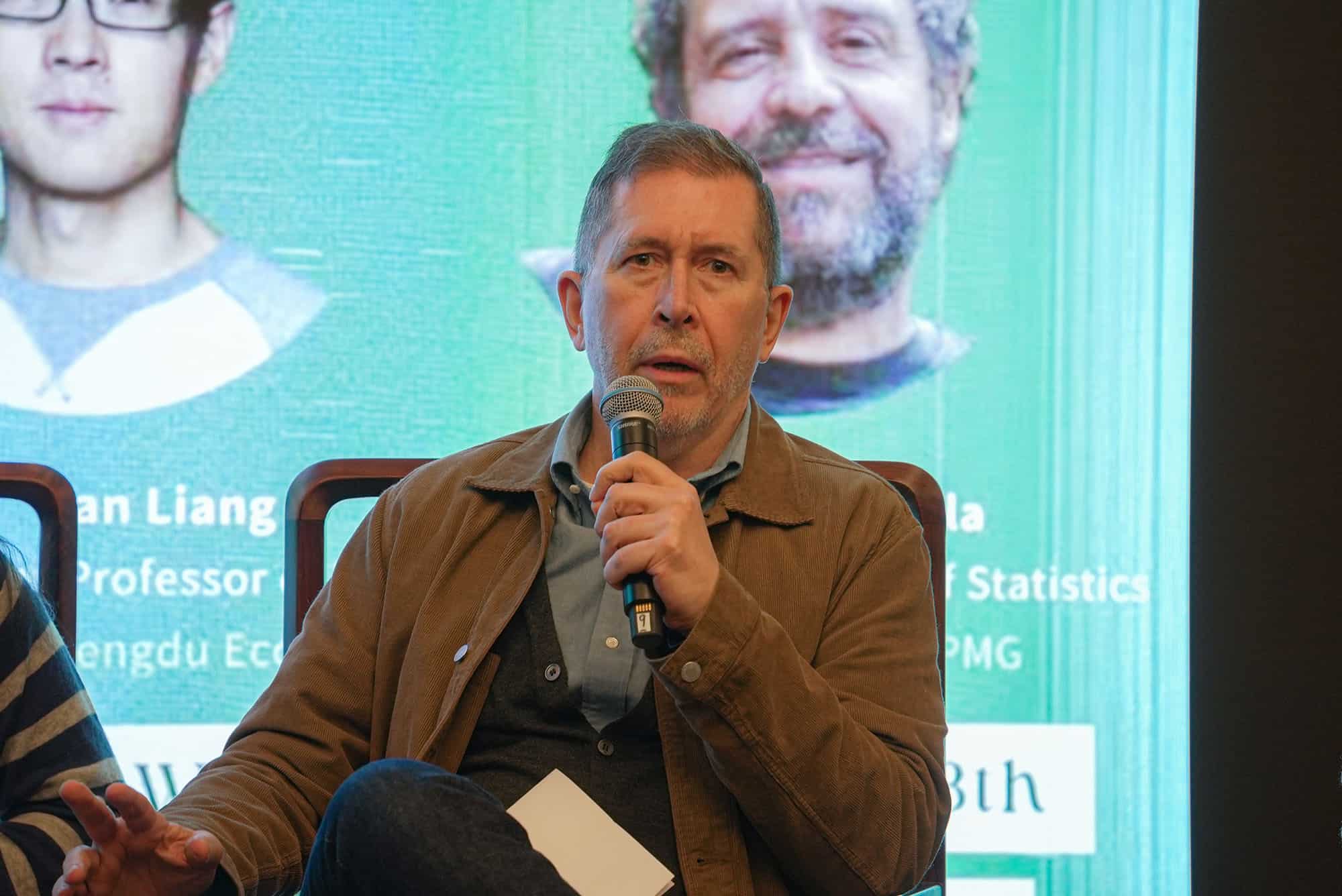
Scott MacEachern, vice chancellor for academic affairs and professor of archaeology and anthropology, did not start out with a clear plan to become an academic. He began in engineering because it seemed practical. He disliked it, left the program and joined the Canadian Army, a move that felt more like an escape than a carefully considered next step.
“But what it left me was a little bit of perspective to try something that I actually liked,” he said, “and it turned out that that was archaeology.”
What once looked like a break in the story ended up pointing him toward the work he truly wanted to do.
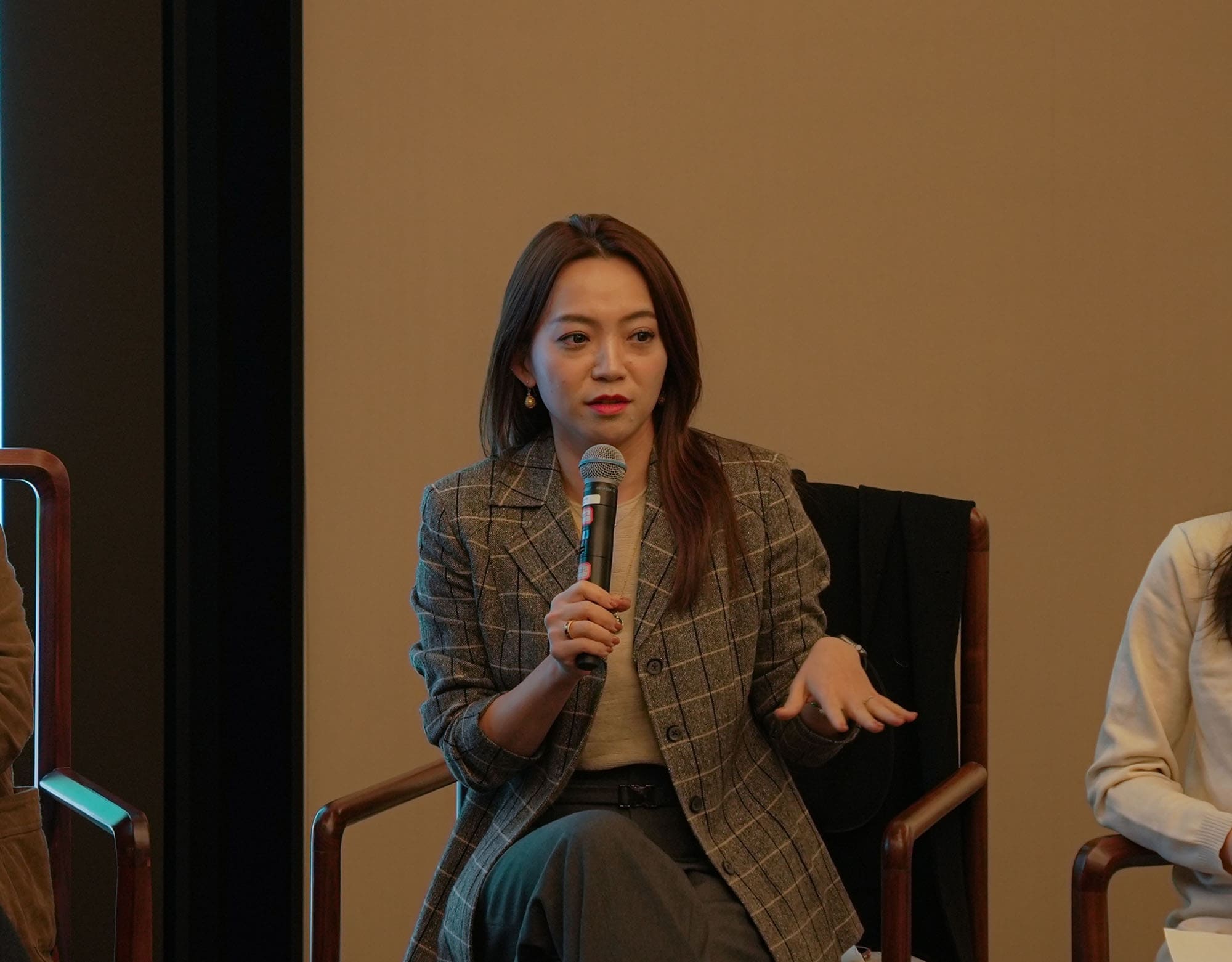
Lei Lin, assistant professor of history, described a different kind of turning point. One of the moments she reflected on was not about compensation or office hierarchy, but about how she came to understand her own priorities. During the summer between the two years of her master’s program at Harvard University, she chose to spend time outside academia, aware that pursuing a Ph.D. would likely commit her to a long-term academic path. Investment banking, then a common benchmark for high-achieving graduates, seemed worth testing at its highest level.
The experience ultimately clarified less about the job itself than about her own preferences. She found the work not especially engaging, and more importantly, came to recognize the importance she places on quality of life and daily rhythm. Even the routine of a crowded Beijing subway commute became a point of reflection—less a breaking point than a signal that the corporate office lifestyle was not one she wished to pursue long-term.
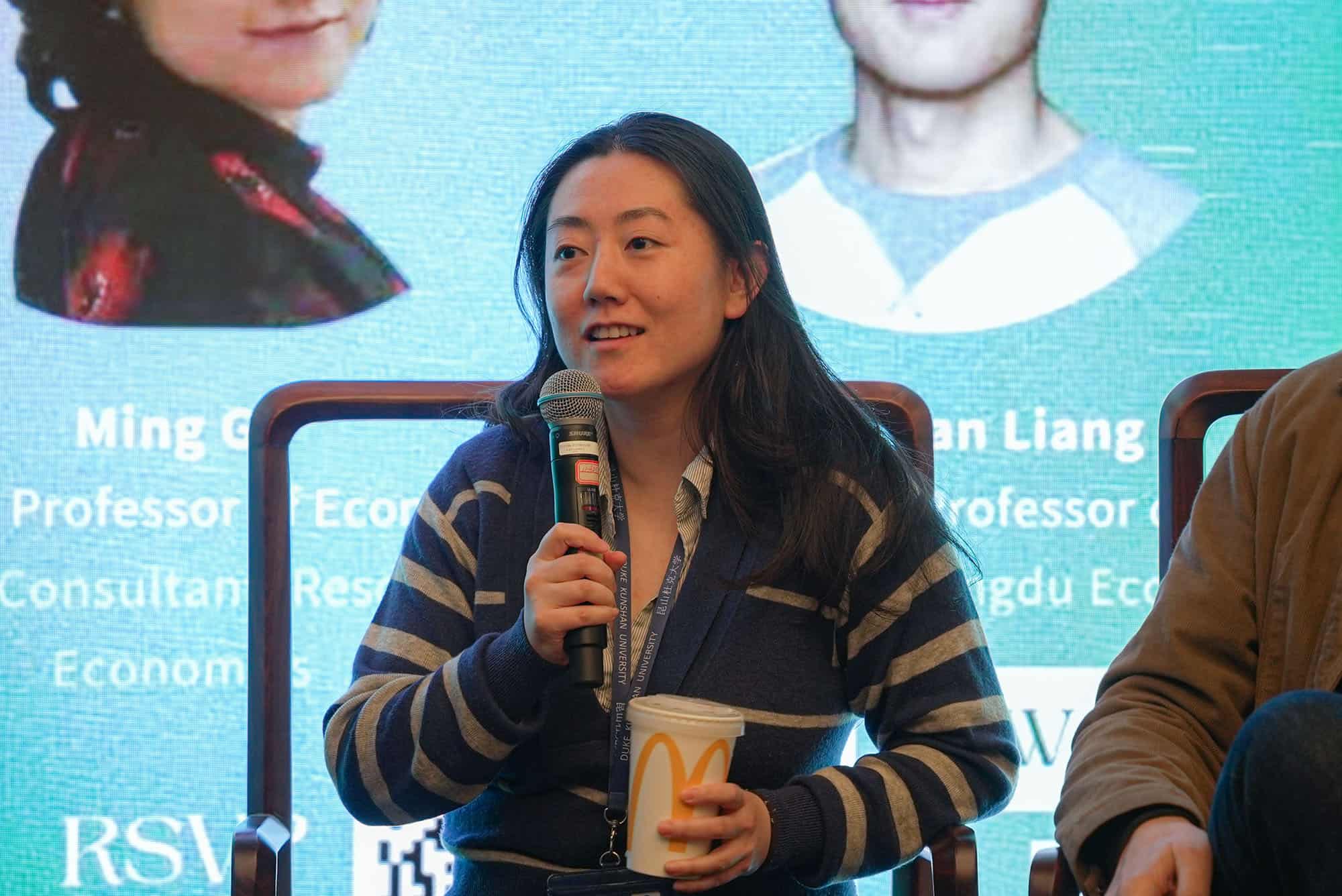
Ming Gu, assistant professor of economics, came to her field after once considering medicine and studying economics as an undergraduate. Later, consulting work and an internship at the United Nations exposed her to careers outside academia that many people would consider highly desirable.
But instead of pulling her away from research, those experiences helped her see more clearly what she wanted from work. She contrasted jobs that felt more like preparation or support roles with academic life, where she could be directly engaged in producing ideas herself. She described it as the difference between setting the stage and being on the field.
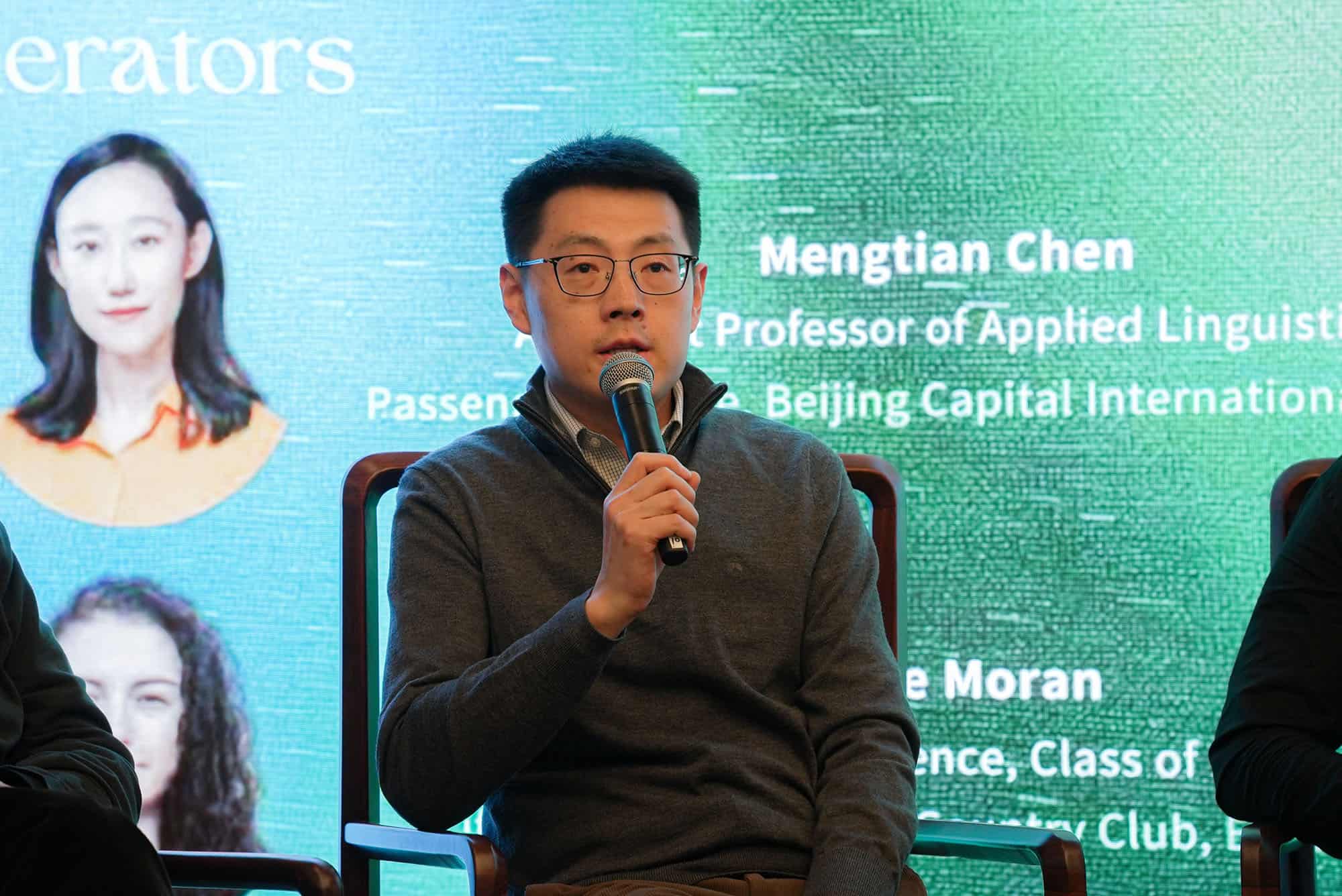
For Fan Liang, assistant professor of media, the path was shaped by journalism. Rather than moving directly into graduate study, he chose to work as a reporter at Chengdu Economic Daily, drawn by the chance to meet people from all walks of life and enter worlds he otherwise never would have known.
“One thing I’ve learned from my journalist experience was that everyone has a story,” he said.
Journalism also taught him what it feels like to witness the decline of an industry from the inside. One day, he realized he no longer bought newspapers himself; like everyone else, he was getting his news from social media. That realization became a turning point. The upheaval in traditional media pushed him back toward graduate school and, eventually, toward the research questions that define his work today.
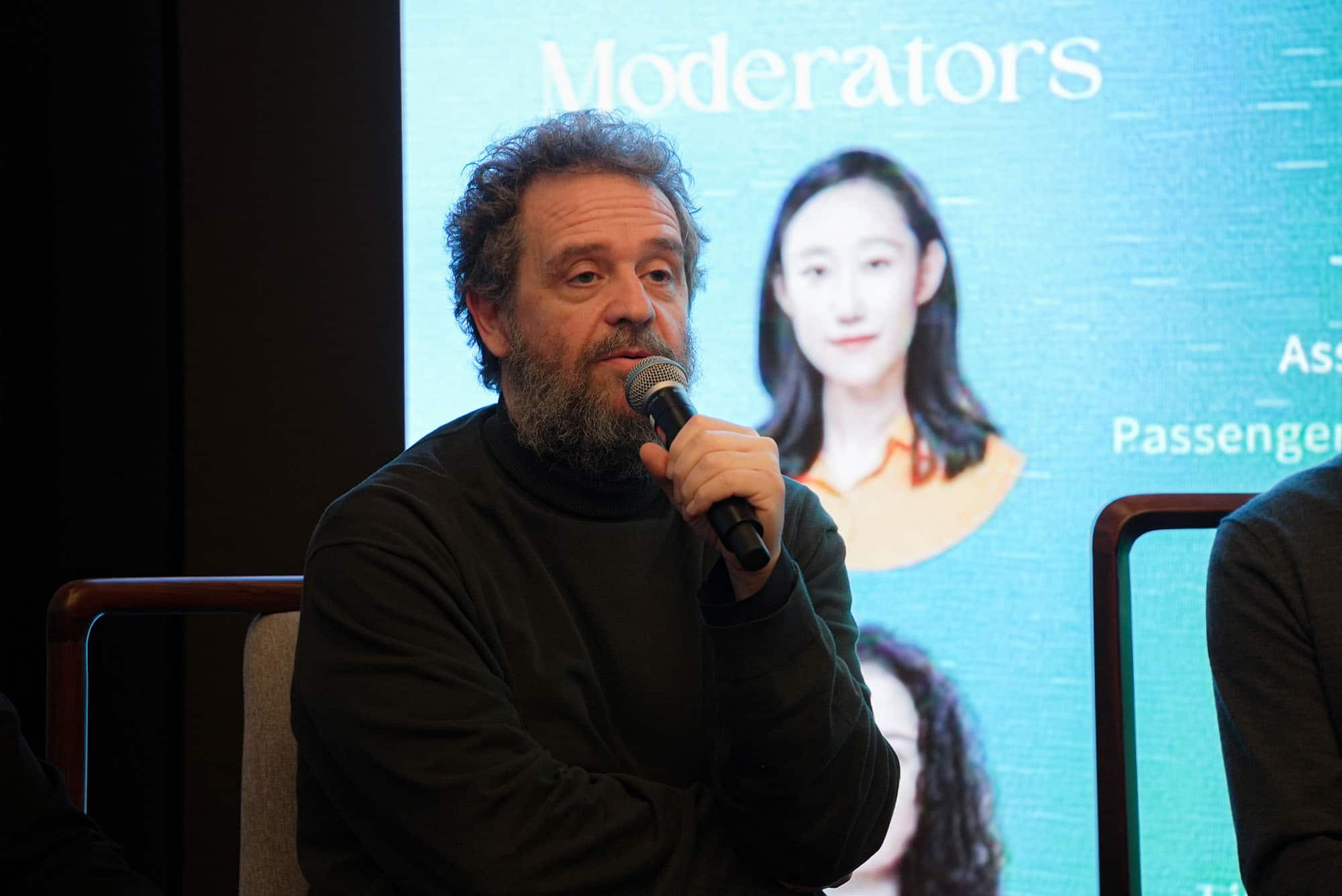
Cristiano Villa, associate professor of statistics, brought yet another perspective. Before entering academia, he spent 13 years at a Big Four accounting firm. What that experience gave him, he suggested, was not simply business knowledge but a stronger sense of discipline, decisiveness and how to work under pressure.
When people trust you with their money, he noted, the pressure is intense and immediate. After that, other kinds of professional pressure can feel more manageable. He also reflected on the importance of integrity, saying that in both finance and academia, trust is fundamental.
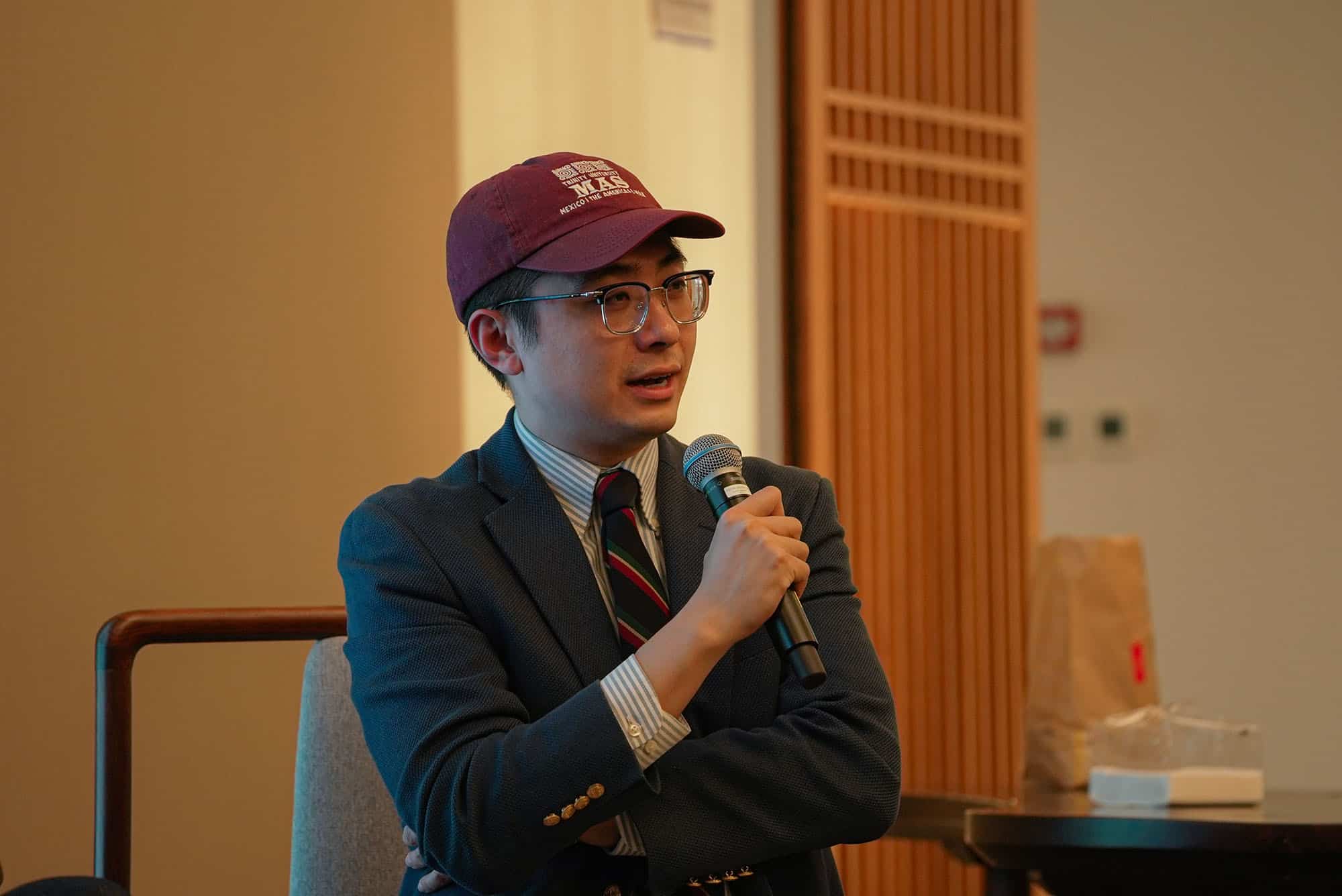
Kent Cao, assistant professor of art and archaeology, reflected on his time as a volunteer police officer in London. One case stayed with him: helping detain a scammer who had spent months deceiving London Underground passengers out of money. The lesson he took from that experience was moral as much as professional. Do not cut corners, he said, and do not lie to yourself. Honesty and integrity matter not only in scholarship, but in life.
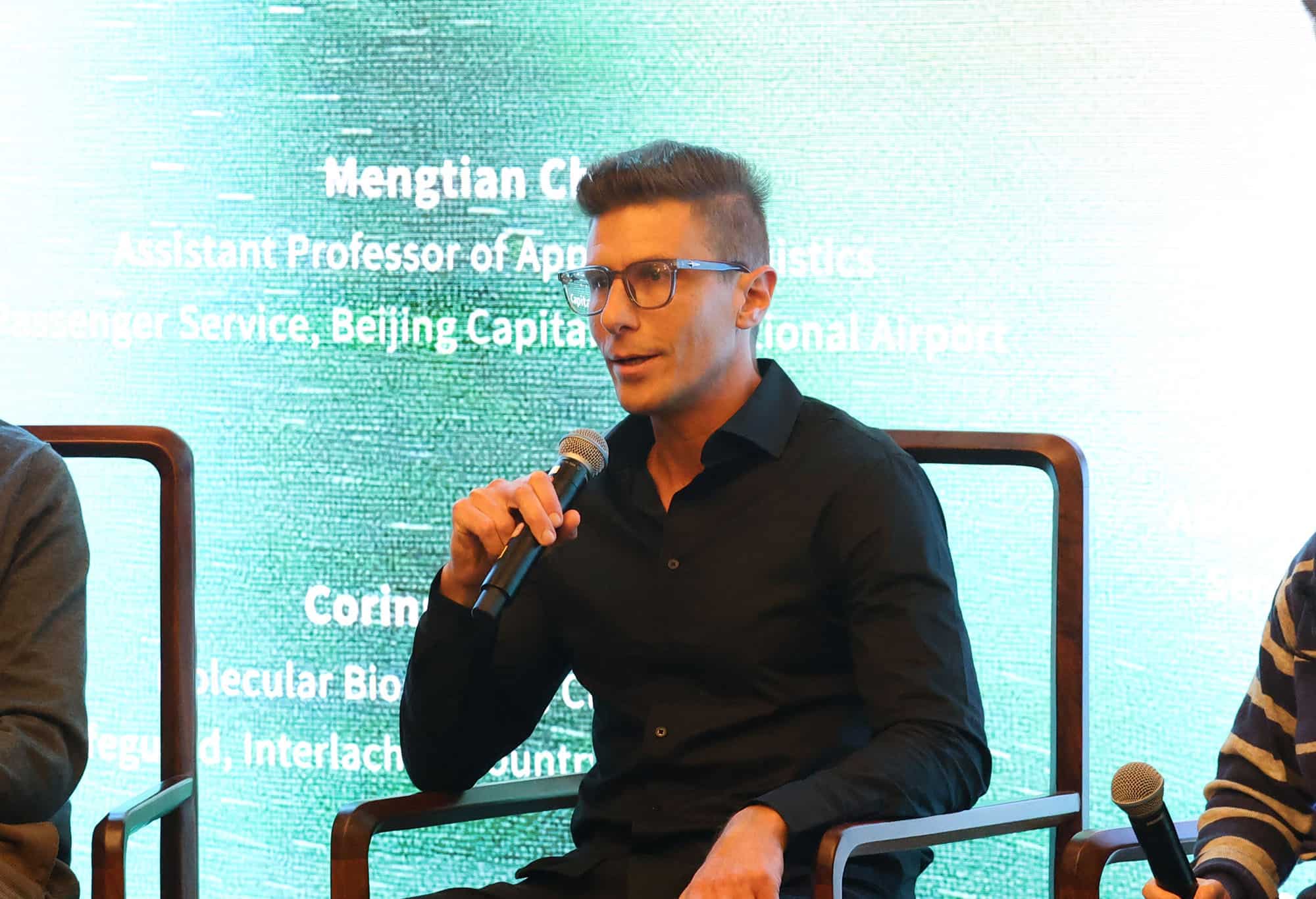
David Krygier, senior lecturer of English for Academic Purposes, worked as a nightclub bouncer at Tiger Tiger while pursuing his master’s degree at the University of Leeds. The job taught him how to communicate with very different kinds of people and how to stay calm in high-pressure situations. Those skills, he suggested, still shape the way he understands people more broadly.
The panelists pushed back against the idea that time spent outside a chosen path is wasted. Experience helps people understand themselves better. Gu suggested a coin toss — not because chance should make the decision, but because a person’s reaction before the coin lands can reveal what they really want.
MacEachern said that once a decision is made, it helps to stop revising it endlessly and instead move forward. Even decisions that feel frightening at the time, he said, can lead to unexpectedly good outcomes.
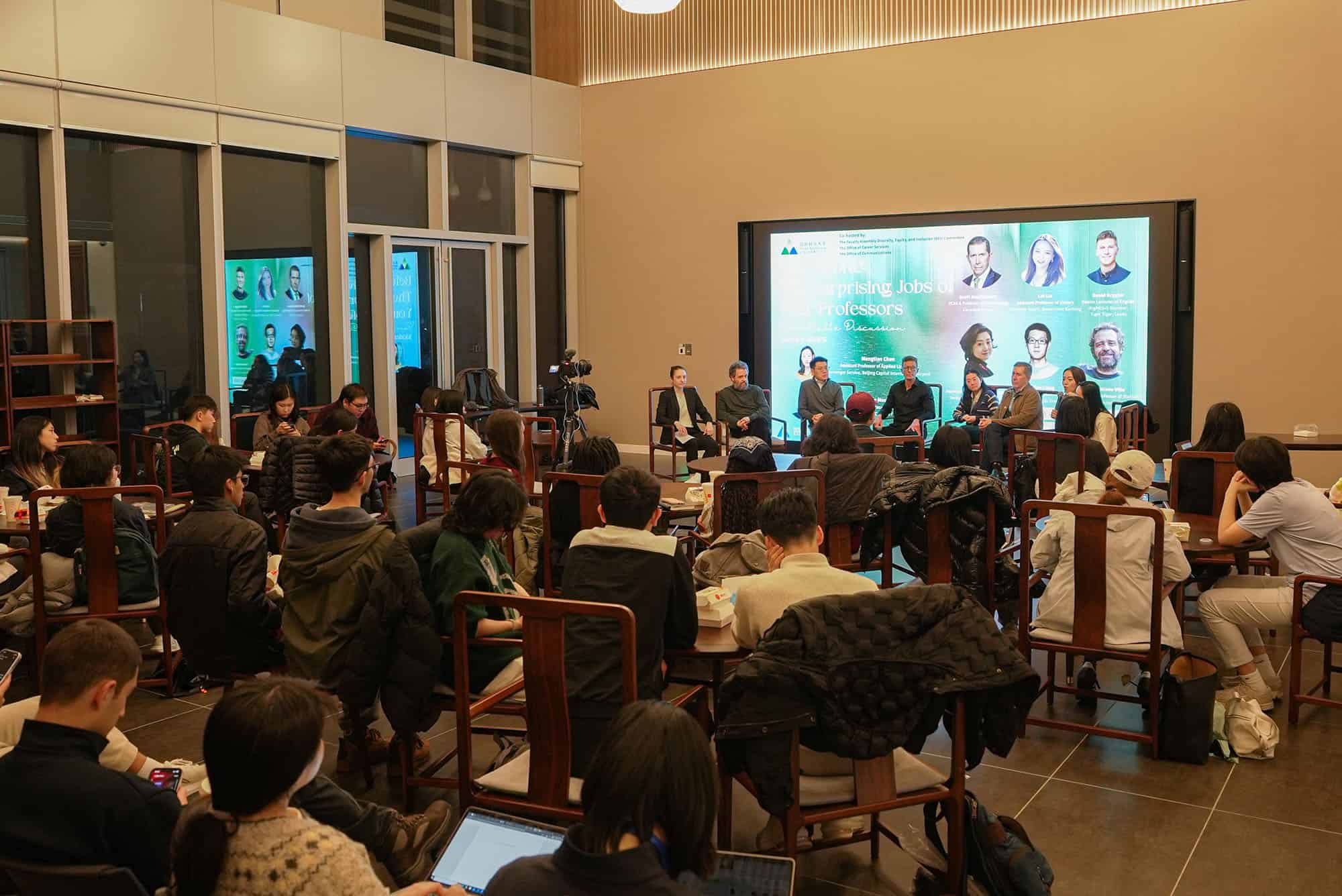
Villa warned that delaying decisions for too long can make them feel larger and more paralyzing than they really are.
Lin suggested gathering information before making major life choices. Talk to people already doing the work. Ask what their daily lives actually look like. Look especially for people six to 10 years ahead, close enough to feel relatable but far enough ahead to see the consequences of earlier choices.
Moderated by Mengtian Chen, assistant professor of applied linguistics, and undergraduate student Corinne Moran of the Class of 2028, the panel also did not pretend that good decisions protect people from disappointment.
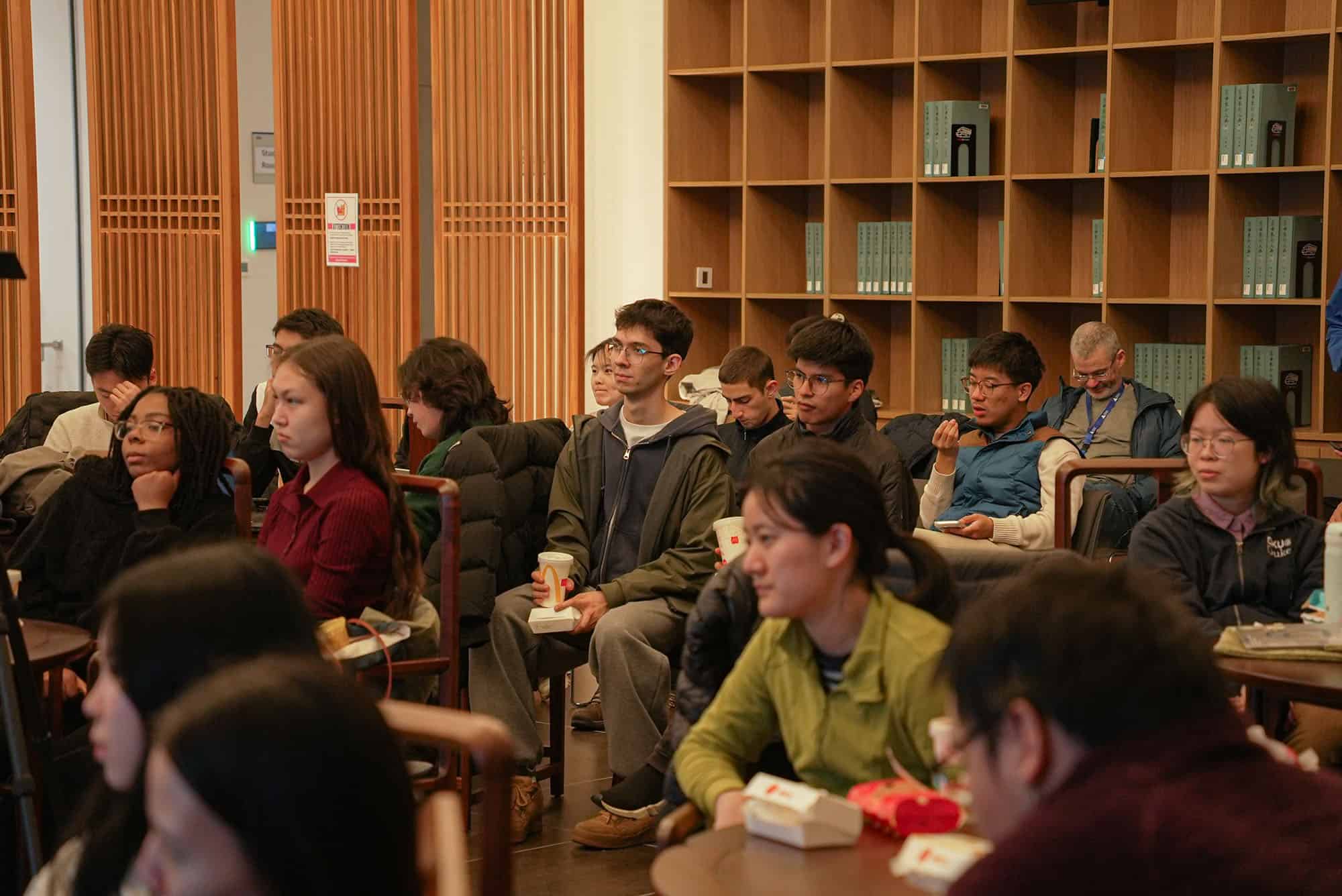
There was talk of rejection, backup plans and resilience. Villa spoke about always keeping a “Plan B,” saying he had learned never to enter a room without a second door.
Cao shared that rejections and so-called detours shape who we become. These experiences can forge the strengths that make us resilient.
Lin, reflecting on rejection in publishing and academic life, made the point that people often dwell too much on the no’s. In reality, a person does not need everyone to say yes. Sometimes one yes is enough to change the course of a life.
By Chen Chen and Coco Ren
Photos by Kaiqi Wu and Zexi Wang
