
Duke Kunshan University recorded a milestone year as both a current student and a recent alumna were selected for the prestigious Schwarzman Scholars program.
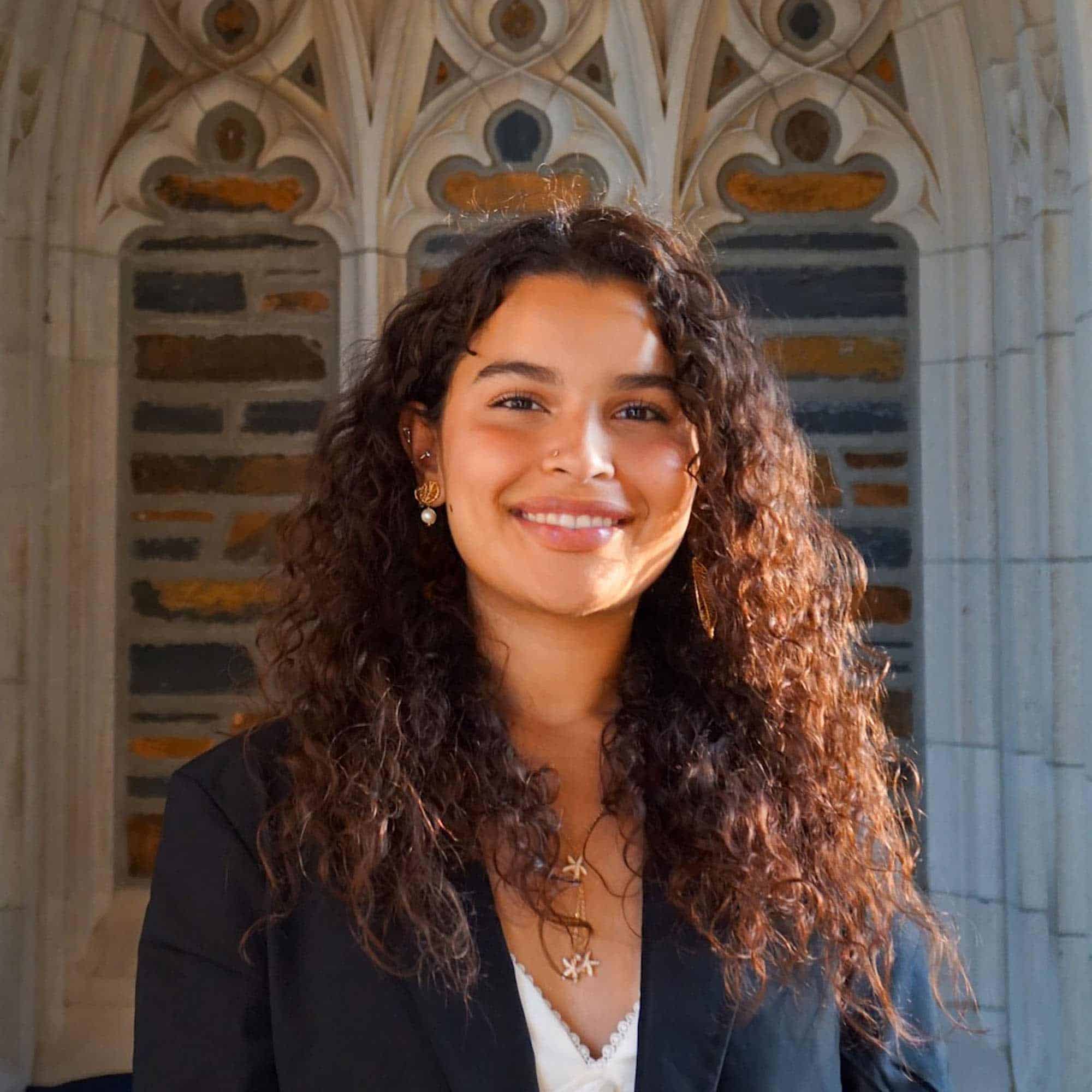
DKU senior Amanda Niza Gonzalez Mejia was selected for the highly competitive, fully funded master’s program at Tsinghua University in Beijing. DKU alumna Yufei Li, Class of 2024, was also admitted this year.
Their admission follows earlier Schwarzman Scholars from DKU, including Wanying He of the Undergraduate Class of 2022 and Nicholas Peoples, a DKU alumnus from the Master of Science in Global Health program, Class of 2018.
One of the world’s most prestigious graduate fellowship programs, the Schwarzman Scholars program selects about 150 participants annually from a global applicant pool. This year’s incoming class was chosen from more than 5,800 applicants worldwide, following a multi-stage process that included interviews with roughly 400 finalists. The new cohort represents 40 countries and 83 universities and marks the program’s eleventh class as it enters its second decade.
Envisioned by Stephen A. Schwarzman in partnership with Tsinghua University, the program is designed to foster global understanding and leadership through immersive engagement with China.
For Gonzalez Mejia, who is the first international undergraduate student from DKU to be selected, the achievement followed a college experience shaped as much by uncertainty as by ambition.
Choosing China, and nearly leaving it
Gonzalez Mejia grew up in Caracas, Venezuela, before moving to the Washington, D.C., area at nine, navigating two politically charged environments that shaped her interest in development and public policy. When it came time for college, she applied to DKU, drawn by the opportunity to study in China despite having no prior Chinese-language training.

After spending her first semester studying at DKU’s global education site in Barcelona during the COVID-19 pandemic, her transition to China proved more difficult than expected, compared with the first semester in Spain, where she had family and Spanish is her first language.
“Coming to China after that was such a shock. It made me question everything,” she said.
She began preparing transfer applications before a trip to Huangshan, also known as the Yellow Mountain in eastern China, changed her mindset.
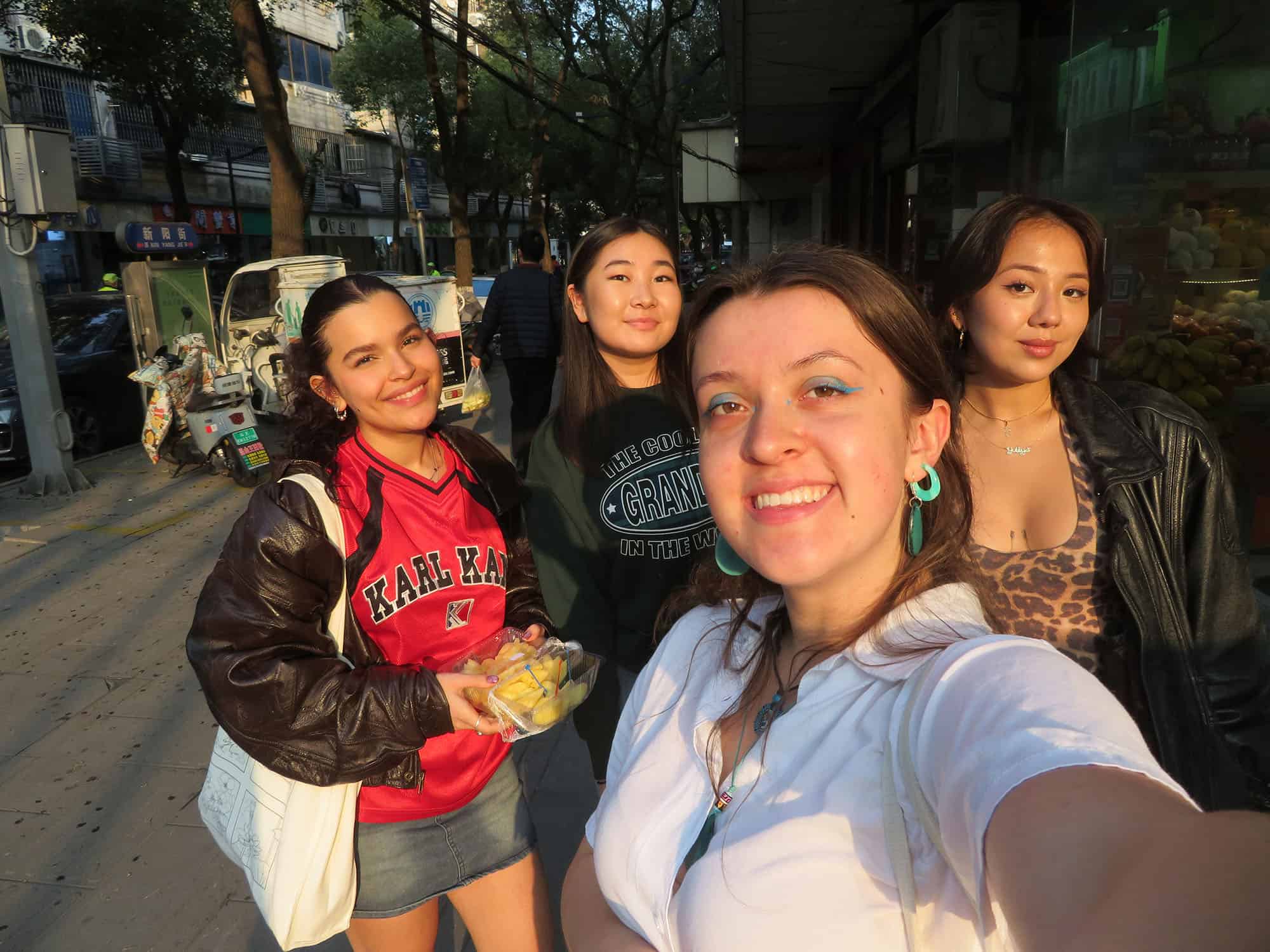
“I remember thinking, ‘I’m never going to have this opportunity again — to be here, at this age, able to absorb everything,’” she said. “I realized that I’m the only one who gets to decide whether I have a positive experience.”
She stayed — and began building.
From uncertainty to leadership
After recommitting to DKU, Gonzalez Mejia became deeply involved in student initiatives on campus. She helped establish multiple organizations, including the DKU Pre-Law Society, the Duke Impact Investing Group’s China branch and a yoga club. She also played a key role in launching DKU’s first Sino-international moot court competition, now a recurring event involving universities across China.
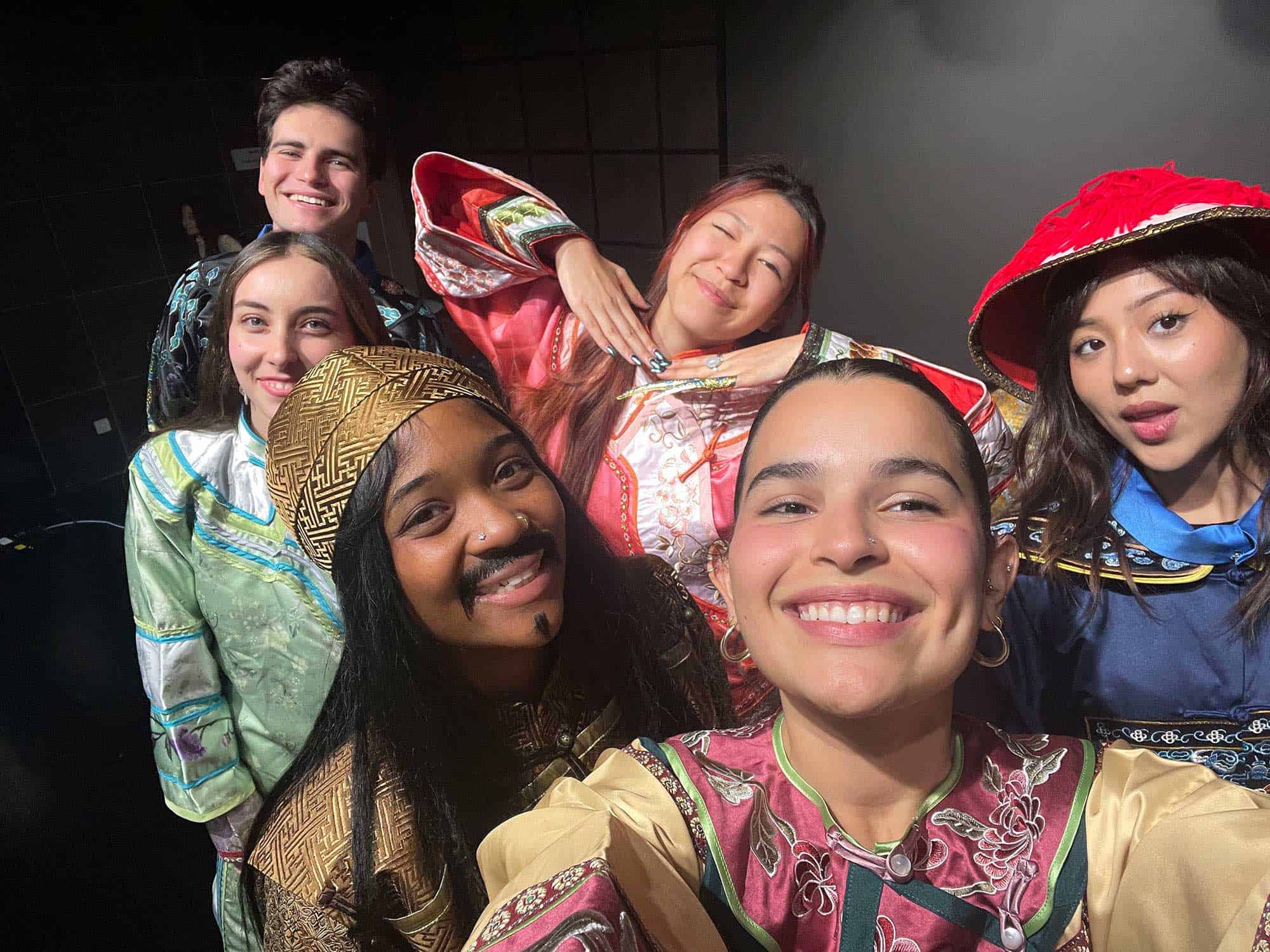
“None of it would have been possible without my classmates and co-leaders,” she said. “What mattered to me wasn’t just starting things, but making sure it would last after I graduated.”
Her engagement extended beyond campus. She served as a Duke Nicholas School of the Environment fellow at the Natural Resources Defense Council, the first U.S. environmental litigation organization, where she worked on equitable financial access for climate resilience. Before that, she was a research assistant on Latin American economics and policy at the Wilson Center, a foreign policy think tank chartered by the U.S. Congress.
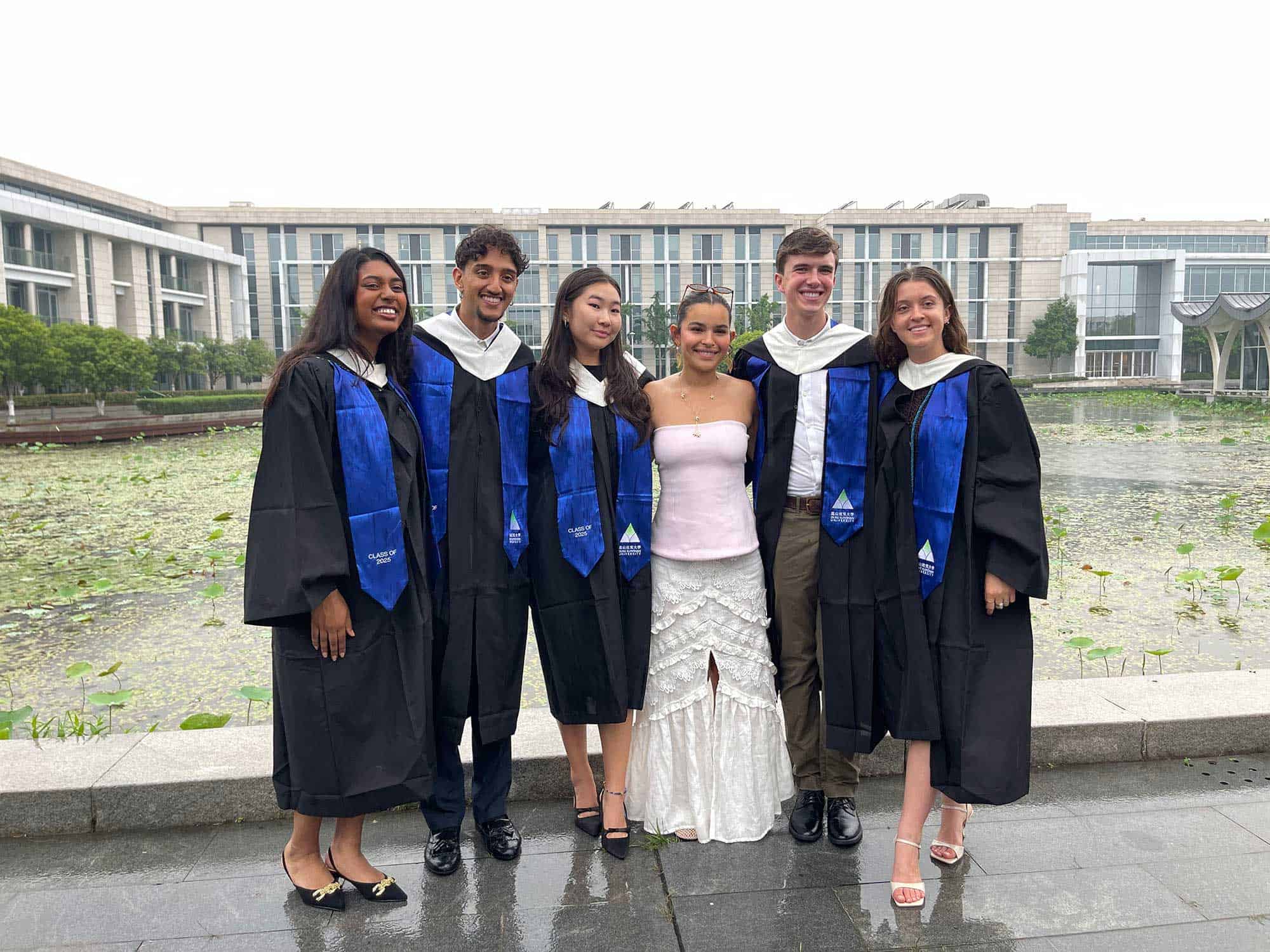
Those experiences helped shape her academic and professional focus on environmental policy, sustainability and economic sovereignty, a trajectory that later informed her Schwarzman application.
A platform for long-term thinking
Gonzalez Mejia said she was drawn to the Schwarzman Scholars program for reasons similar to what initially attracted her to DKU: the opportunity to study China through the lenses of policy, business and leadership.
Her proposed area of study focuses on how China’s green finance mechanisms, including public credit systems and sustainable investment policies, could inform development strategies in Latin America.
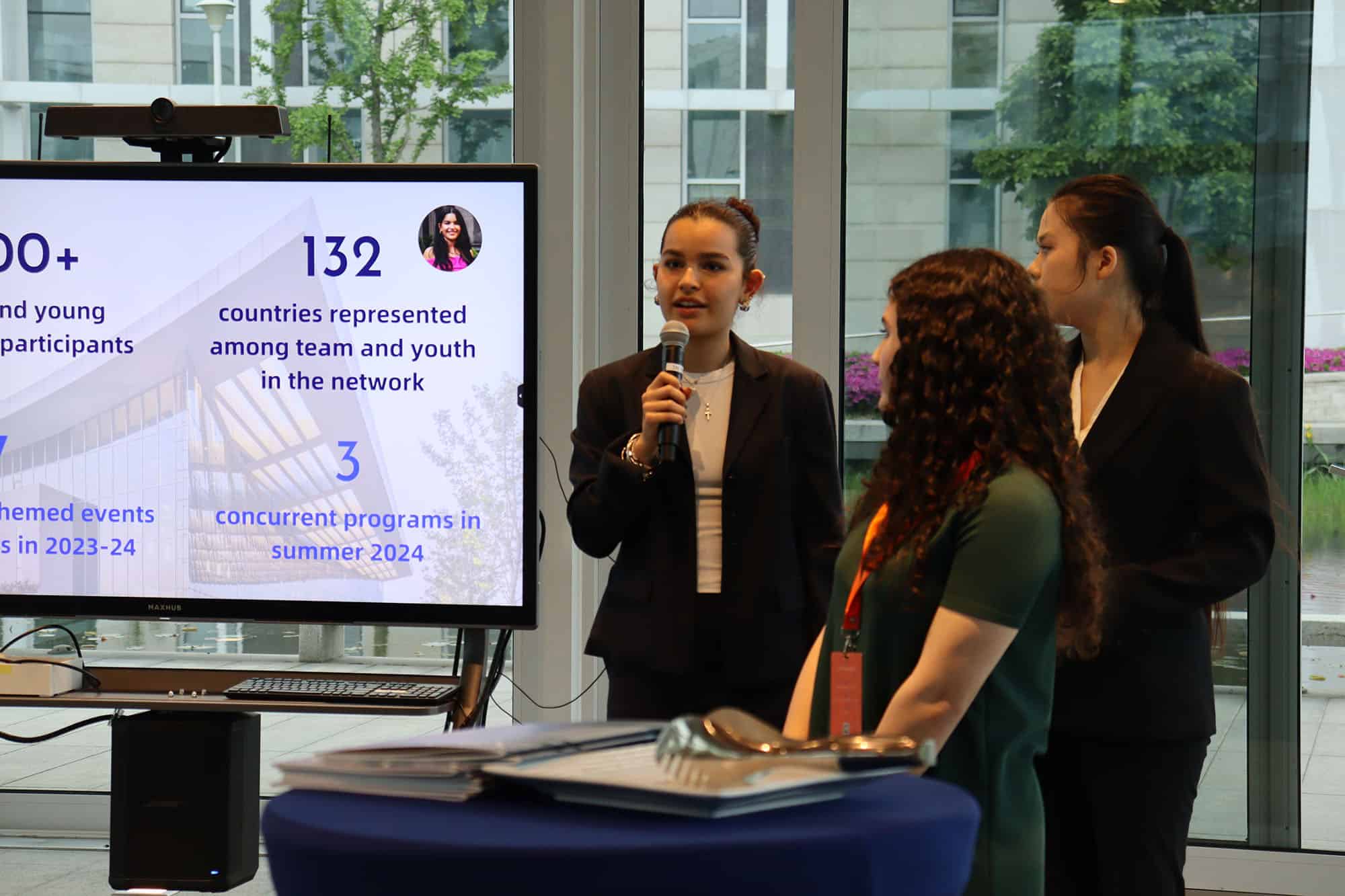
“China plans decades ahead,” she said. “That kind of long-term thinking is rare.”
She said she did not expect to be selected, noting that many Schwarzman Scholars are early-career professionals rather than recent college graduates. She credited extensive preparation and clarity of purpose for her success. DKU’s Undergraduate Academic Services team also provided critical support by coordinating campus resources and organizing a mock interview that brought together professors and staff from different disciplines and departments, who posed questions from diverse perspectives and helped her sharpen her thinking and on-the-spot responses. She also thanked DKU friends who conducted additional mock interviews with her.

She described herself as a builder — someone who sees a gap, creates something and works to ensure it continues after she leaves.
“I think Schwarzman looks for that kind of entrepreneurial mindset.”
A small campus with global outcomes
Gonzalez Mejia emphasized that DKU’s close-knit academic environment played a critical role in her development. She cited faculty advisers and mentors, including Paula Ganga, Jingbo Cui, and Annemieke van den Dool, who supported her beyond coursework.
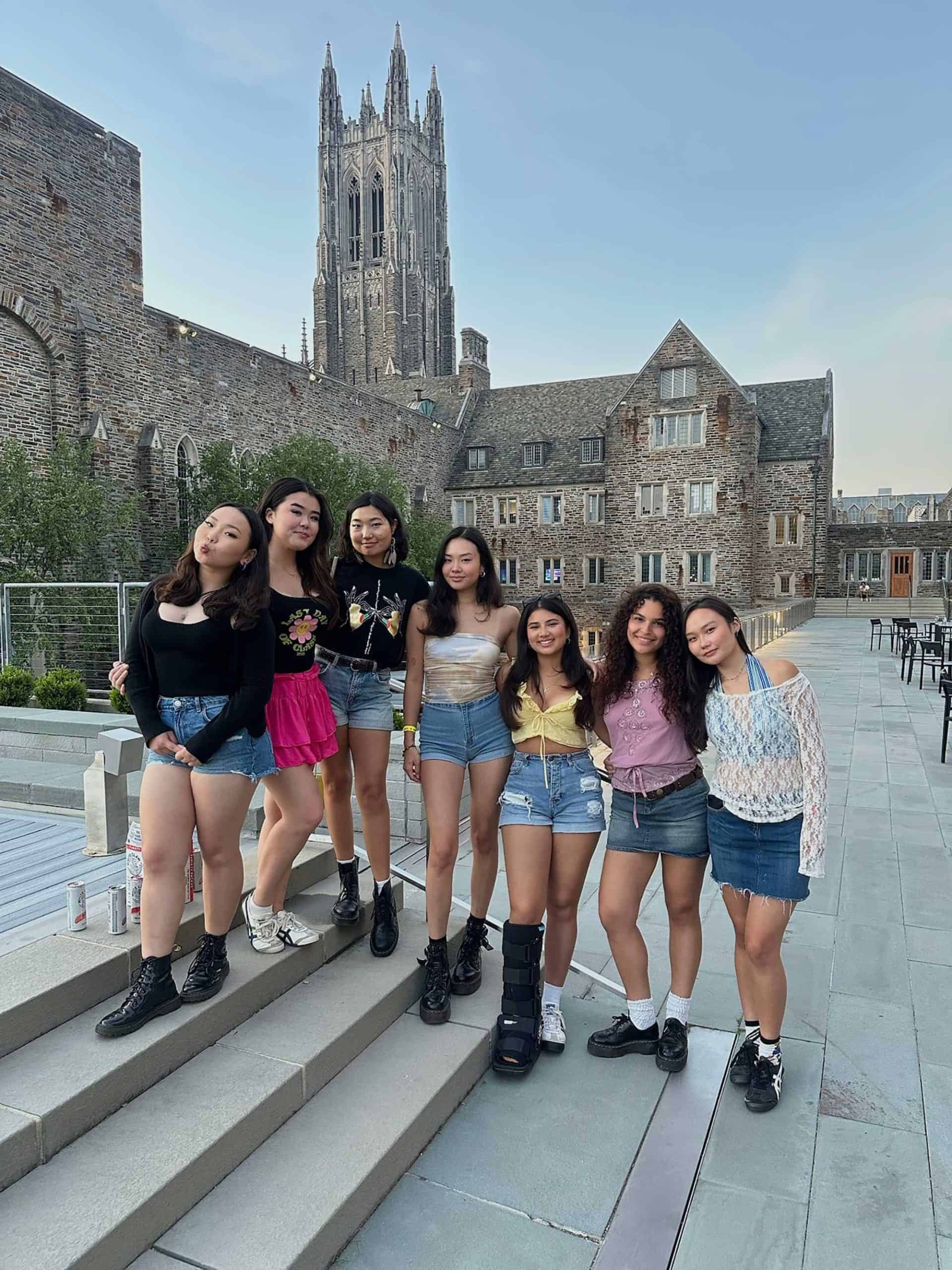
“I’ve been lucky enough to have such supportive people in my life. I can’t emphasize enough how important that has been.”
The experience also reshaped how she views uncertainty and career paths.
“It’s okay not to know what you’re doing,” she said. “Just don’t let that stop you.”
She recalled initially planning to pursue law before realizing through experience that it was not the right fit.
“But I had to try it to know that,” she said. “You have to keep moving until the right thing clicks.”
By Chen Chen
