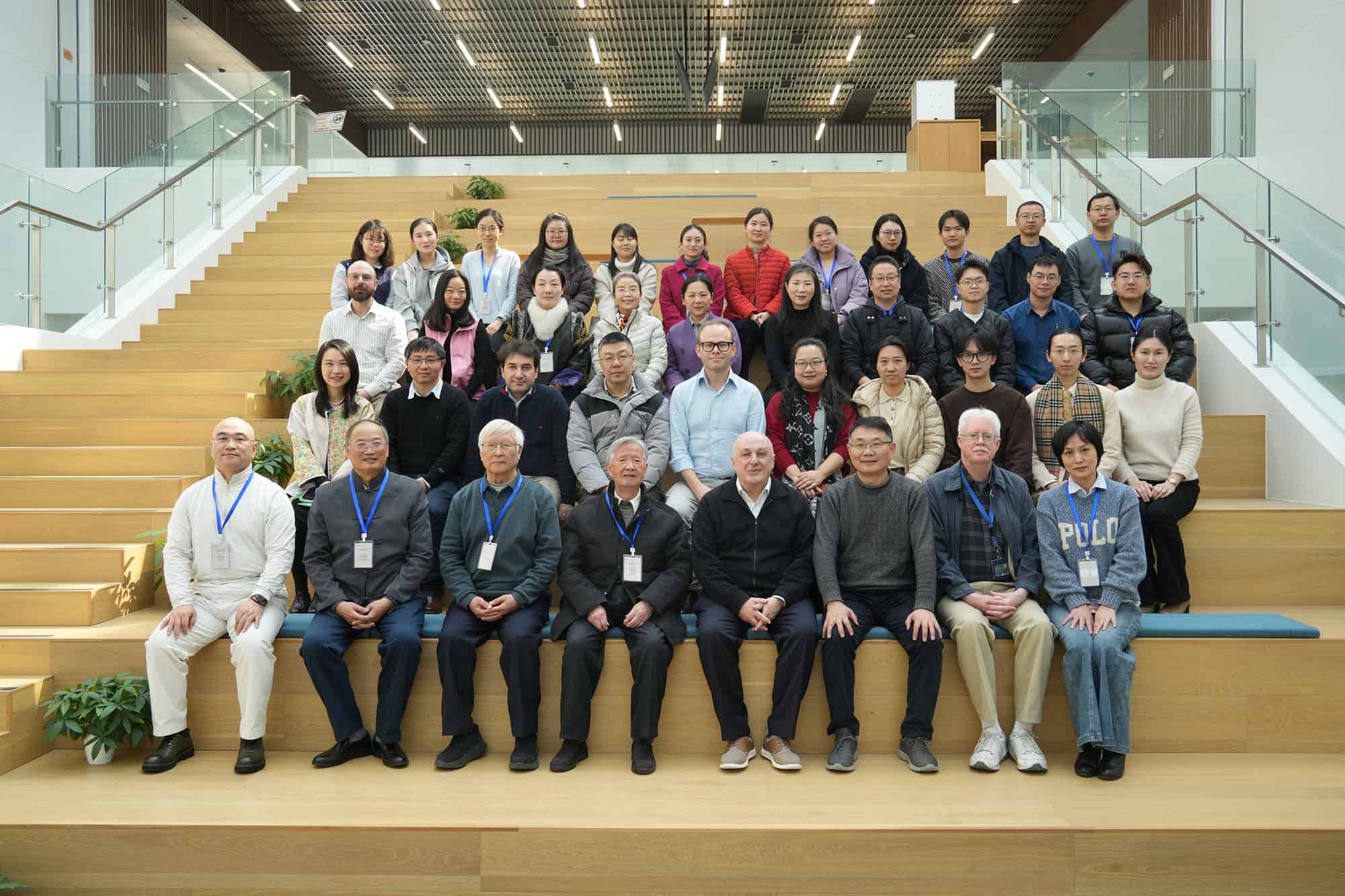
The third Duke Kunshan University Kunqu Festival, held March 6-7, brought together performers, scholars, students and community participants to explore this year’s theme, “Spaces and Voices of Kunqu.”
Through a program of performances, singing gatherings and scholarly discussions, the festival examined how Kunqu’s distinctive vocal tradition takes shape across different performance environments, academic contexts and media forms.
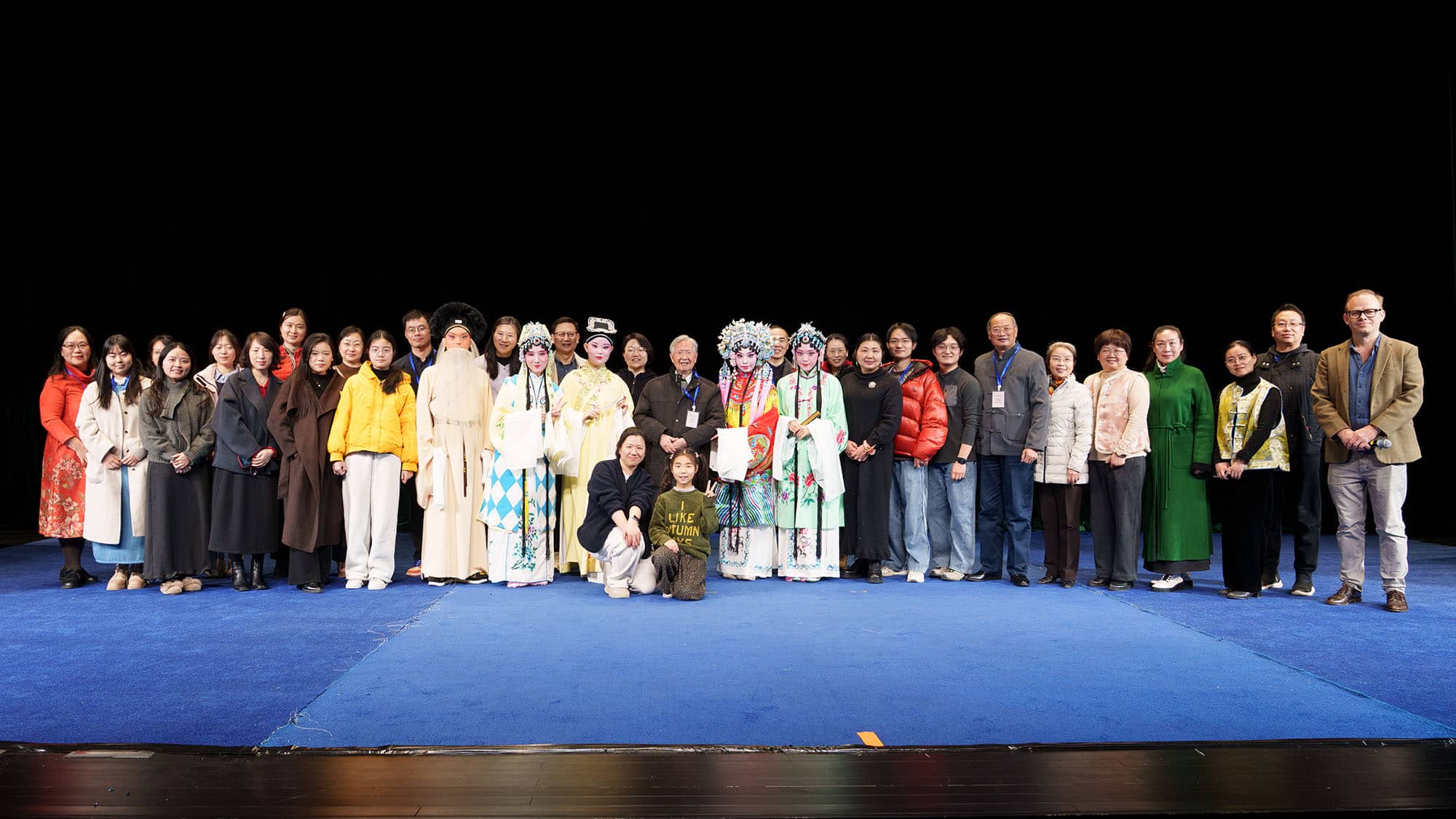
The festival opened with a Kunqu singing gathering, in which 32 singers performed arias from the classical repertoire. Participants included students and faculty from universities in China and abroad, as well as members of several Kunshan-based singing societies.
The evening performance program presented two complementary approaches to Kunqu onstage. Researchers from Nanjing University, Nanjing Normal University, and Nanjing University of the Arts presented a lecture-recital reconstruction of a scene from “Palace of Eternal Life,” using vocal delivery rather than full theatrical staging. Framed by shifan luogu percussion and a chuida instrumental overture, the performance evoked a mode of Kunqu presentation historically associated with Tangming (Qing-dynasty private salon ensembles), rather than stage production.
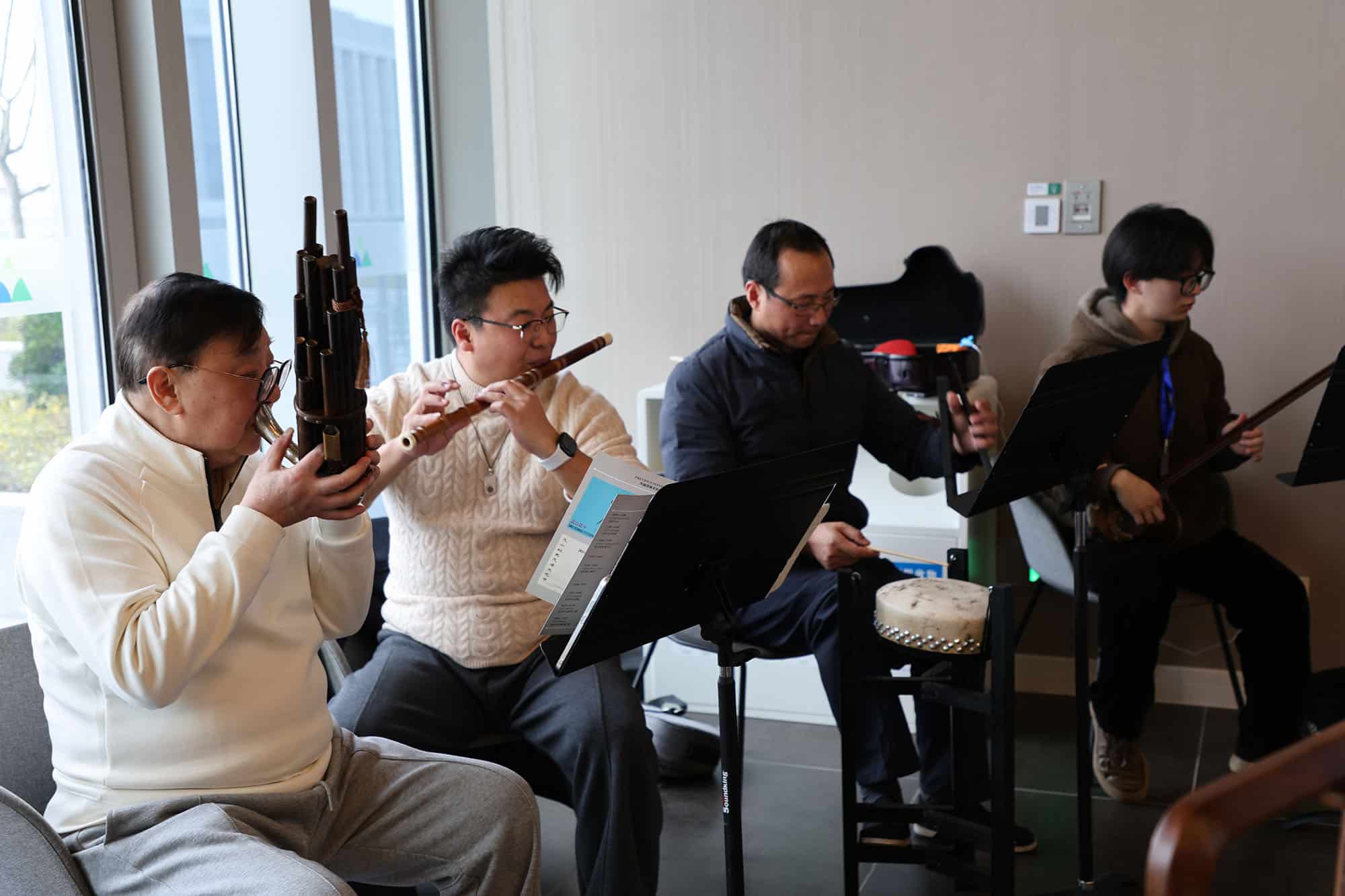
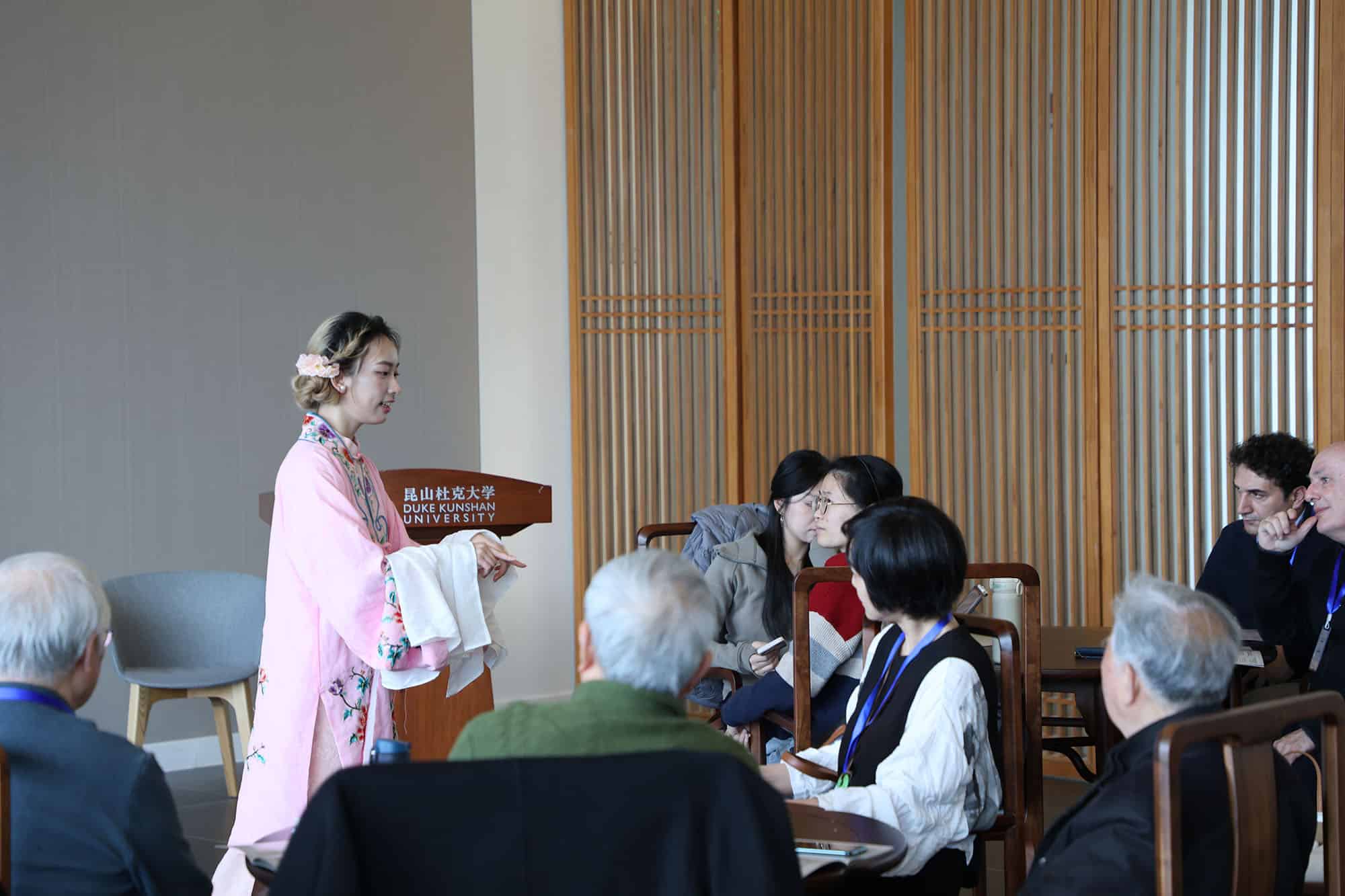
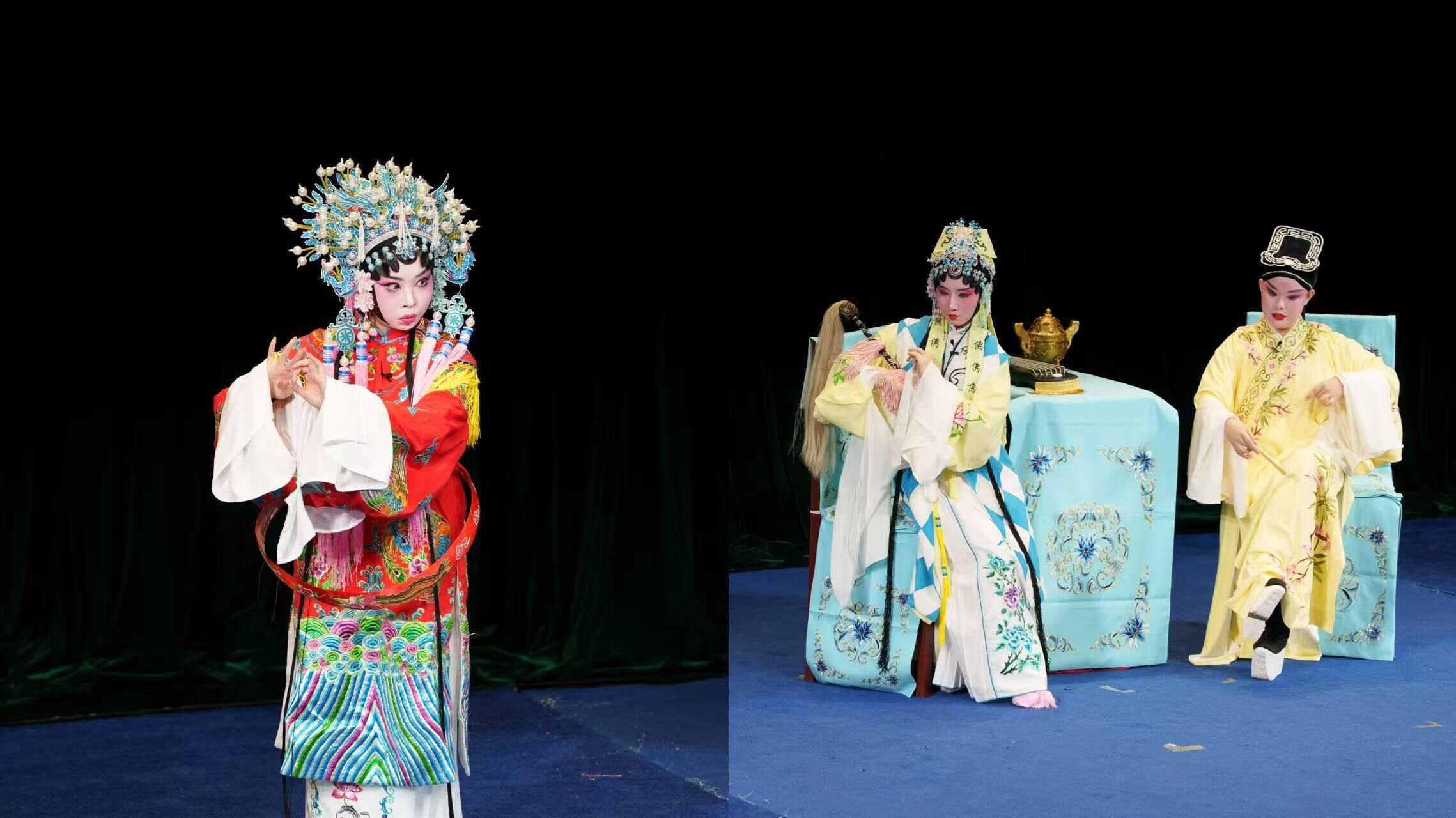
The program also featured the National University Student Kunqu Performance, a central element of the festival that provided a platform for students from universities across China to present their work before an audience of scholars, performers, and Kunqu enthusiasts. This year’s performers included students from DKU, Nanjing University, Shanghai Theatre Academy, and Beijing Language and Culture University. It gave students studying Kunqu’s vocal and physical techniques the opportunity to test and showcase their learning before a knowledgeable audience.
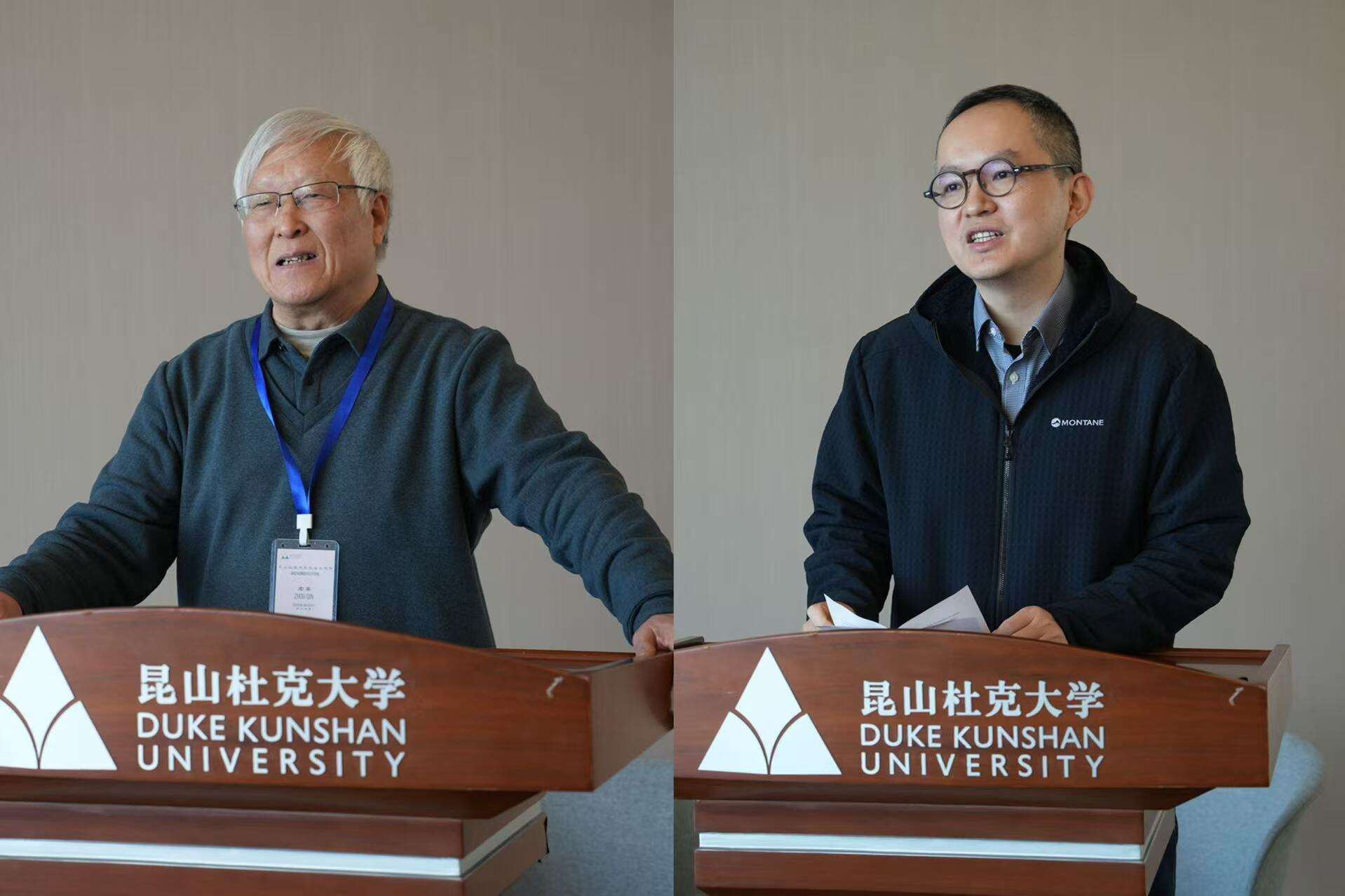
The conference began with opening remarks from Soochow University professor Zhou Qin, who said that the festival exemplifies DKU’s effort to “integrate with local culture and contribute to local cultural life.” Yisu Zhou, China Director of the Institute for Global Higher Education at DKU, then invited participants to consider Kunqu through the lens of education. At DKU, he noted, Kunqu is approached not merely as cultural heritage but as part of a broader experiment in the Chinese liberal arts. Engaging with Kunqu’s intricate poetry, demanding vocal structures, and rigorous performance conventions cultivates what he described as a “stance of mind,” habits of interpretation and intellectual curiosity that extend well beyond the art form itself. At the same time, he emphasized that Kunqu functions as a “community of practice,” in which rehearsal, performance, and shared listening create the human connections through which artistic knowledge is transmitted.
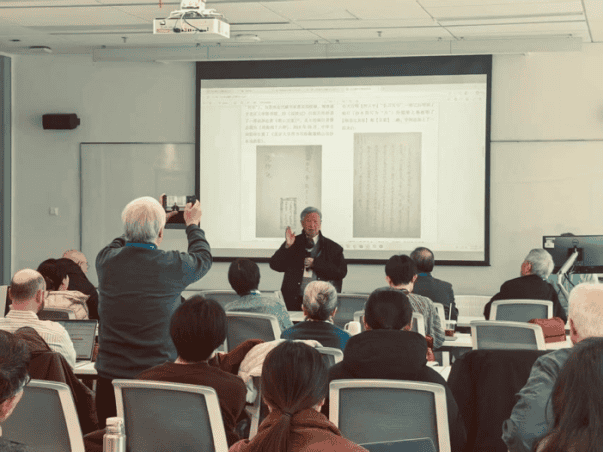
The symposium sessions on Saturday expanded these themes through a series of keynote lectures and panel discussions. Wu Xinlei of Nanjing University, now 94 and one of the founding figures of modern Kunqu studies, presented a study of the scene “The Hunt” from the play “River of Washed Silk,” tracing its evolution from Liang Chenyu’s Ming-dynasty script through Qing-period performer adaptations and later manuscript stage scripts. Although the play occupies a symbolic place in Kunqu history, the scene gradually disappeared from the repertoire before being revived by the Zhejiang Kunqu troupe in 2021. Wu’s research highlighted the gap between Kunqu’s celebrated literary canon and what survives on stage, showing how the recovery of repertoire depends on both historical scholarship and the practical knowledge of performers.
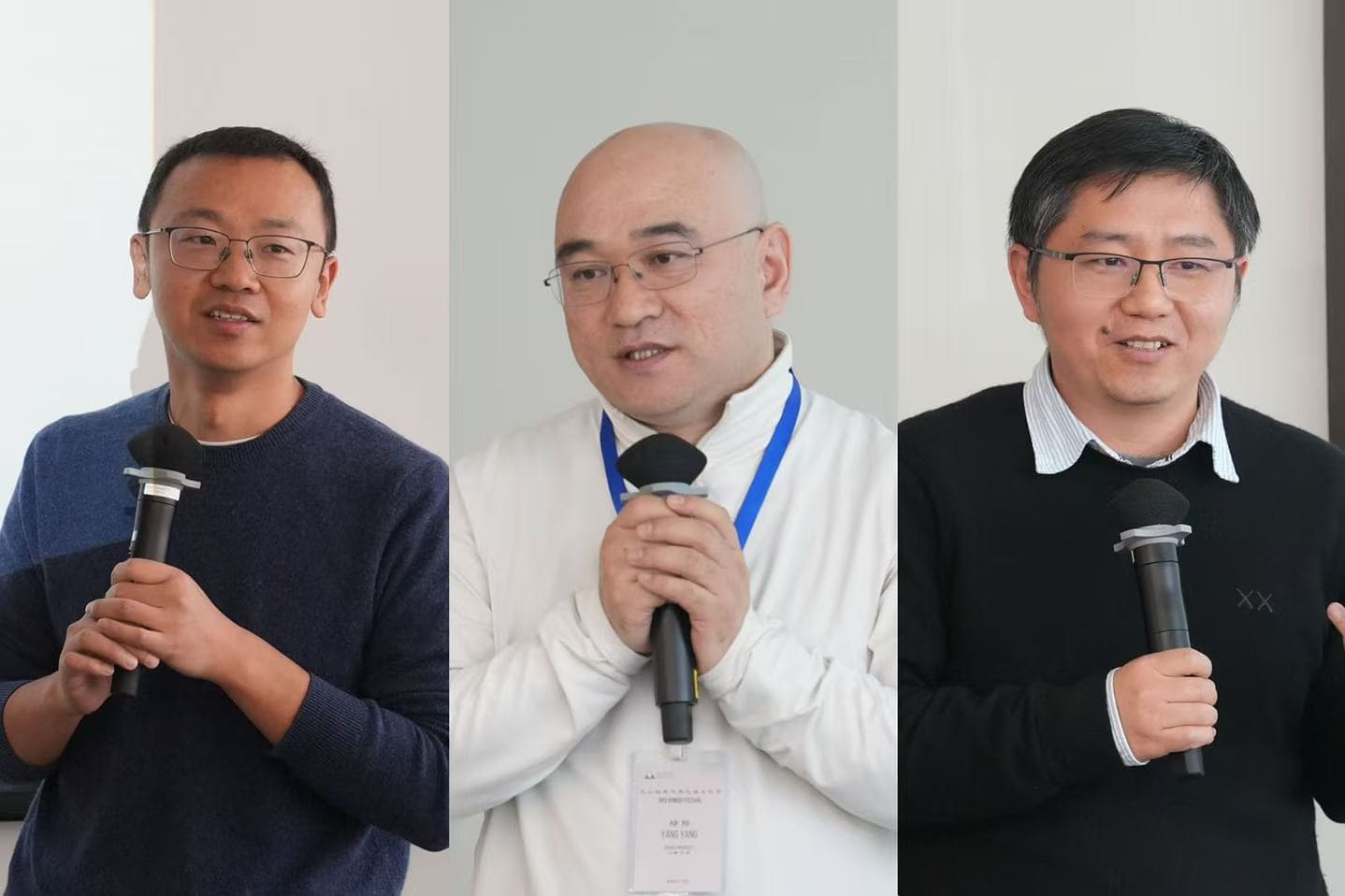
The first discussion panel addressed theatrical space and acoustics in Kunqu performance. Zhu Hao of Zhongnan University of Economics and Law examined visual representations of traditional theatrical spaces, Yang Yang of Shanxi University drew on Republican-era theatre journals to explore historical understandings of stage acoustics, and Huang Kai of DKU discussed acoustic principles in traditional European theatre architecture. Together, the panel highlighted how performers and performance spaces interact to shape sonic experience.
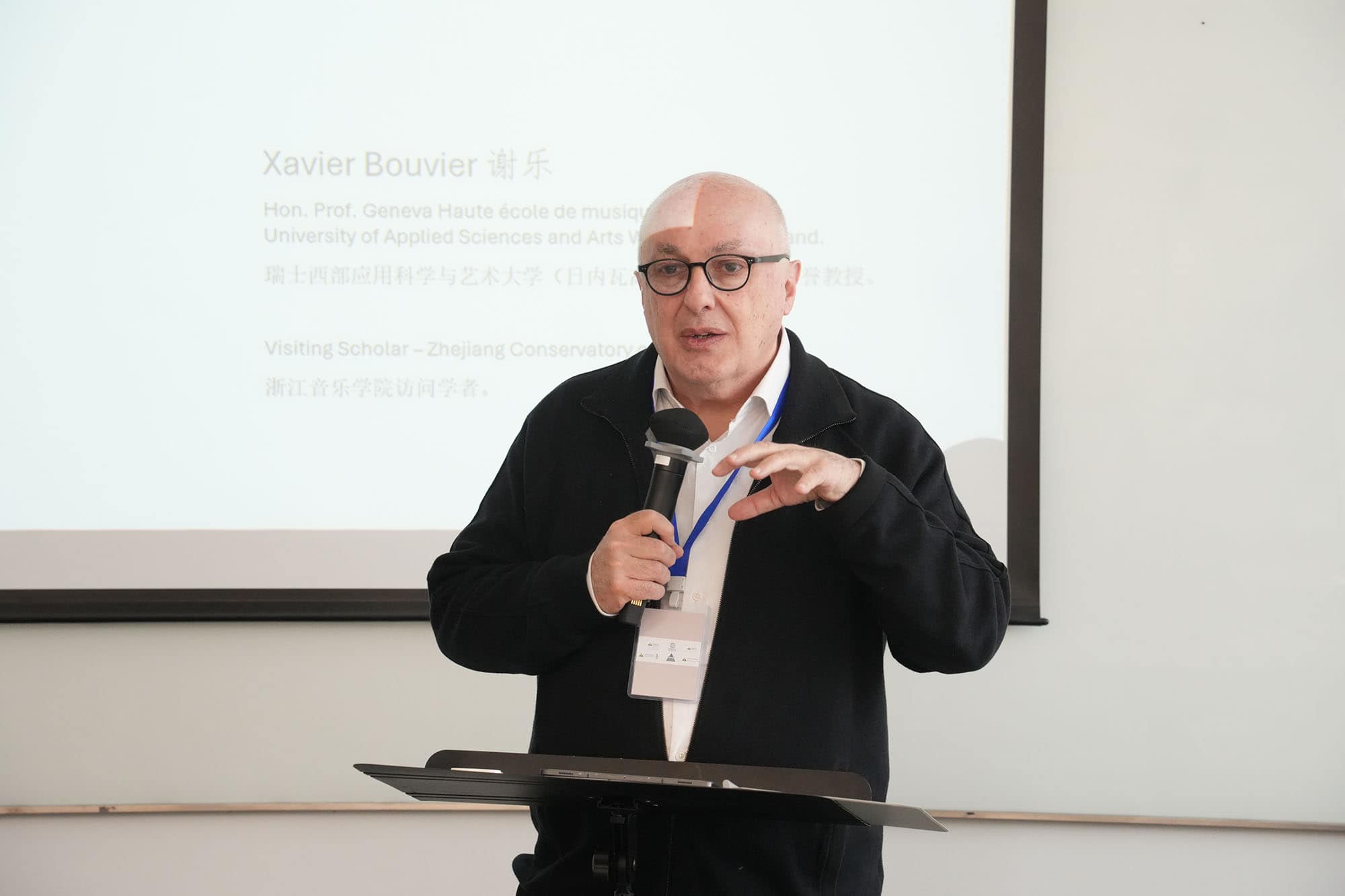
The afternoon guest lecture was delivered by Xavier Bouvier of the Geneva Haute école de Musique, who explored the reception and dissemination of Kunqu in Europe during the 1930s. His research demonstrated how Chinese intellectuals and artists working in Paris attempted to introduce Kunqu as a refined vocal art within international artistic circles, highlighting an early moment of global engagement with the tradition. His lecture illuminated a moment when Kunqu briefly entered global artistic discourse before political upheavals interrupted its international circulation.
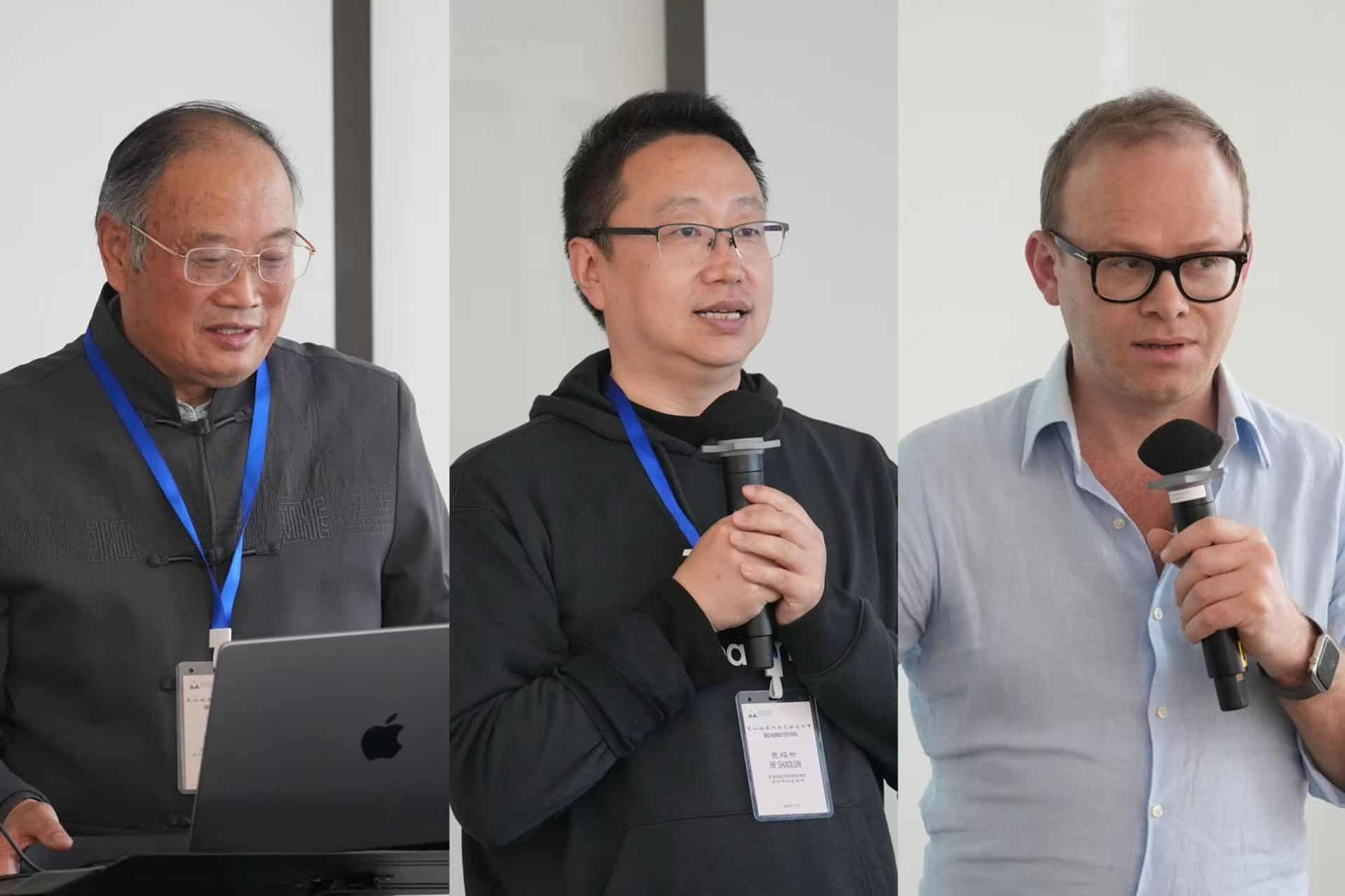
The second panel “Kunqu on Record: Between Context and Capture” examined how Kunqu performance can be documented and circulated through audio and visual media. Pei Shanming, chief editor of the national publishing project Kunqu Art Compendium, discussed the extensive archival recordings assembled for the project and the importance of preserving Kunqu’s vocal tradition within carefully documented performance contexts. Recording specialist He Shaolun reflected on nearly two decades of experience documenting Chinese opera productions across the country. Kim Hunter Gordon of DKU addressed the question of how Kunqu recordings might be heard beyond China, considering the limited international circulation of Kunqu audio recordings compared with other forms of Chinese classical music. Together, the panel highlighted the complex relationship between performance context, recording practice, and the creation of new listening spaces for Kunqu in a global environment.
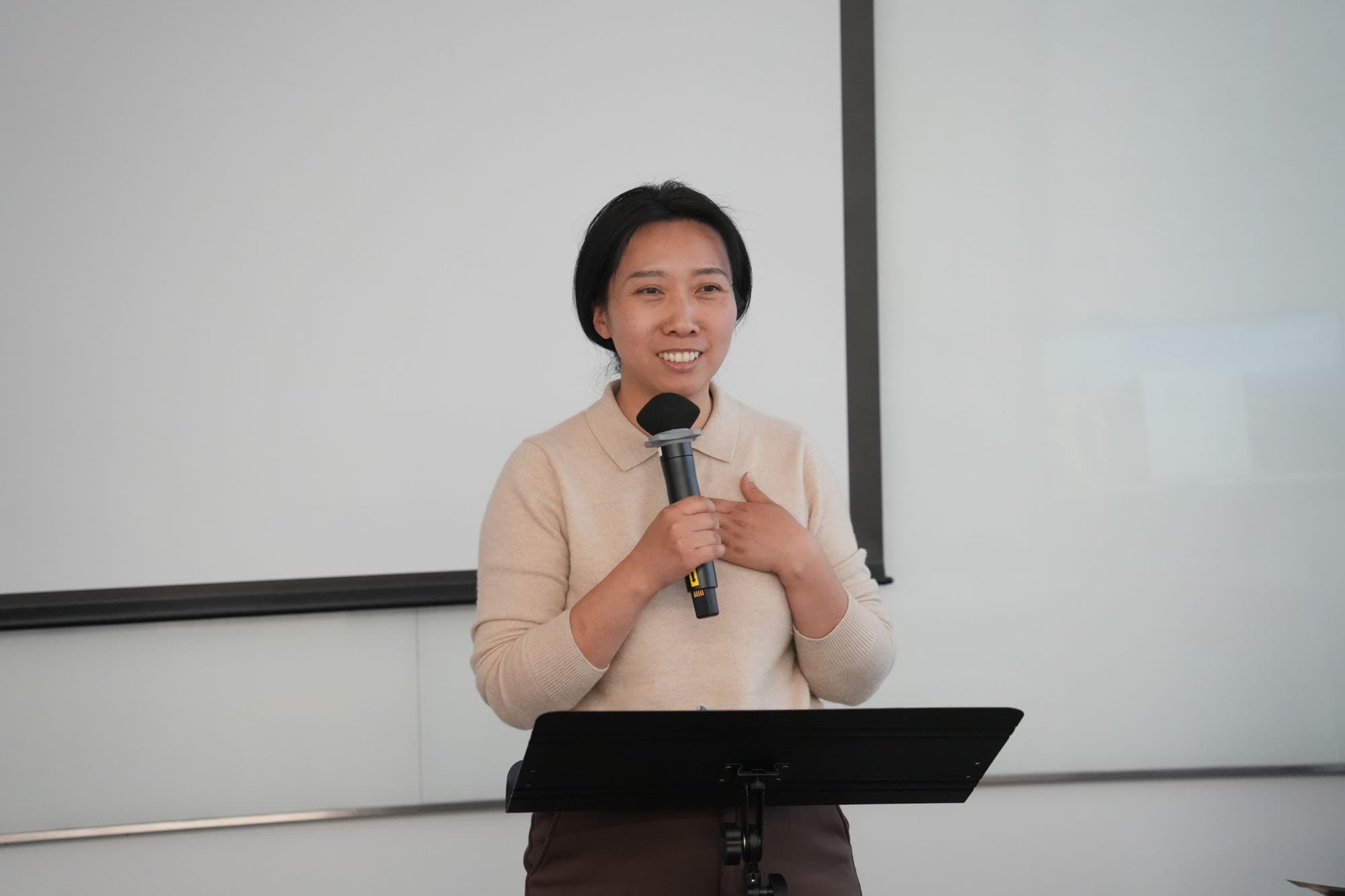
The closing annual keynote lecture was delivered by Xu Lili of Nanjing University, who discussed the role of Kunqu within Chinese higher education. Reflecting on recent initiatives and the longer history of Kunqu activity on Chinese campuses, she argued that collaboration with practitioners and communities beyond the university is essential for maintaining the tradition’s vitality within academic settings.
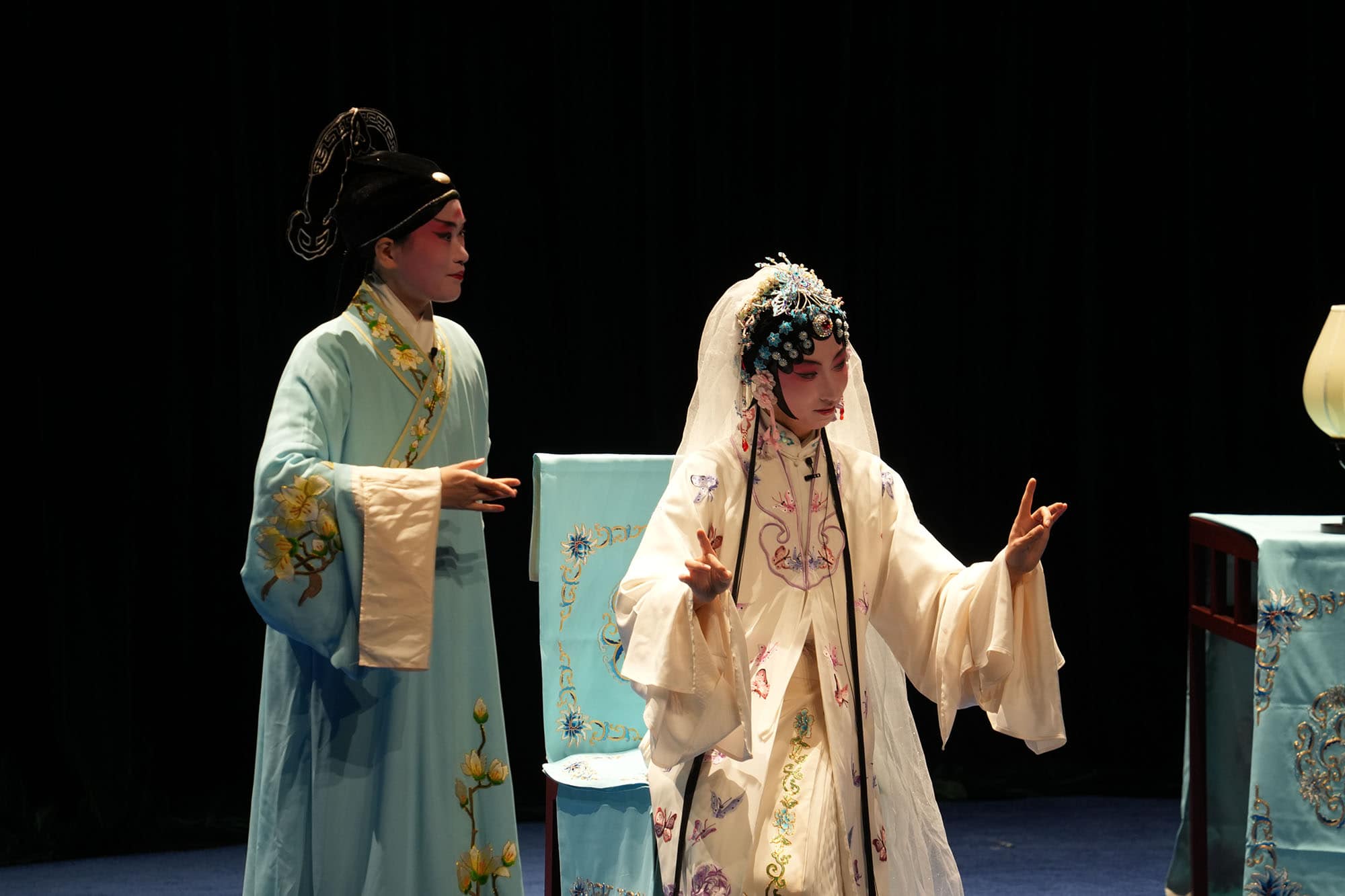
The festival concluded with a reconstructed performance of the scene “Spectral Vows” from “Peony Pavilion” by students from Nanjing University and Shanghai Theatre Academy, followed by a performance of classic Kunqu scenes by the Kunshan Contemporary Kunqu Theatre.
Participants came from more than 20 universities in China and abroad, alongside Kunshan-based Kunqu societies and professional performers. The festival was organized by Kim Hunter Gordon in collaboration with colleagues and student organizers, with support from the DKU Wu Culture Research Group, the Institute for Global Higher Education, the Center for Contemporary China Studies, and the Division of Arts and Humanities.