
Duke Kunshan University (DKU) opened its seventh annual Teaching and Learning Showcase, bringing together faculty, students, and visiting educators to examine how generational change, cultural differences, and rapidly evolving learning technologies are reshaping classrooms.
Scott MacEachern, vice chancellor for academic affairs and professor of archaeology and anthropology, drew on his research into Central Africa’s “internal frontiers” to frame the conference theme, “Mind the Gap.”
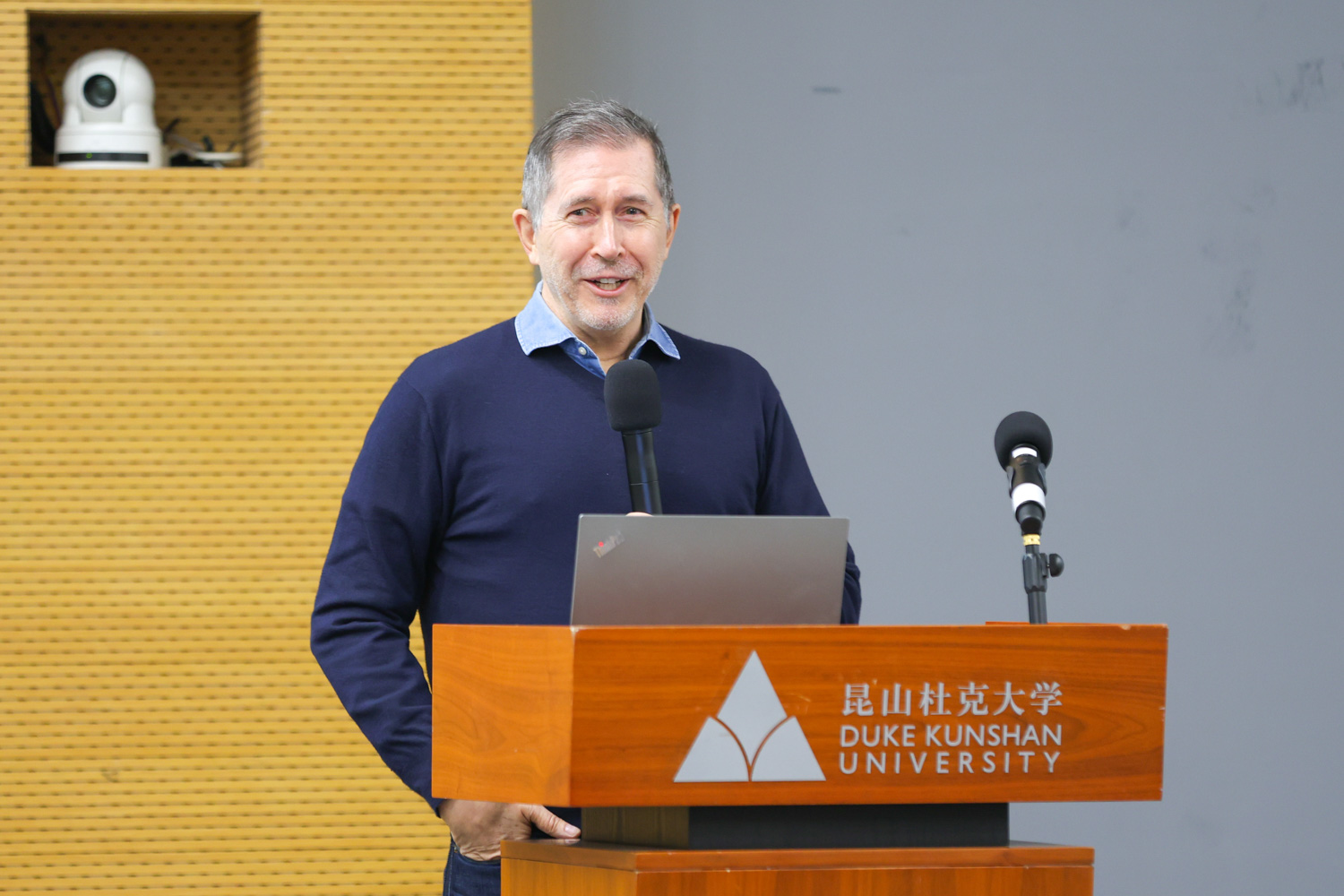
These frontier zones, he said, show how gaps “can be zones of possibility — places where new practices emerge.” He added that DKU itself operates in such spaces, working between Chinese and Western educational traditions and across disciplinary boundaries.
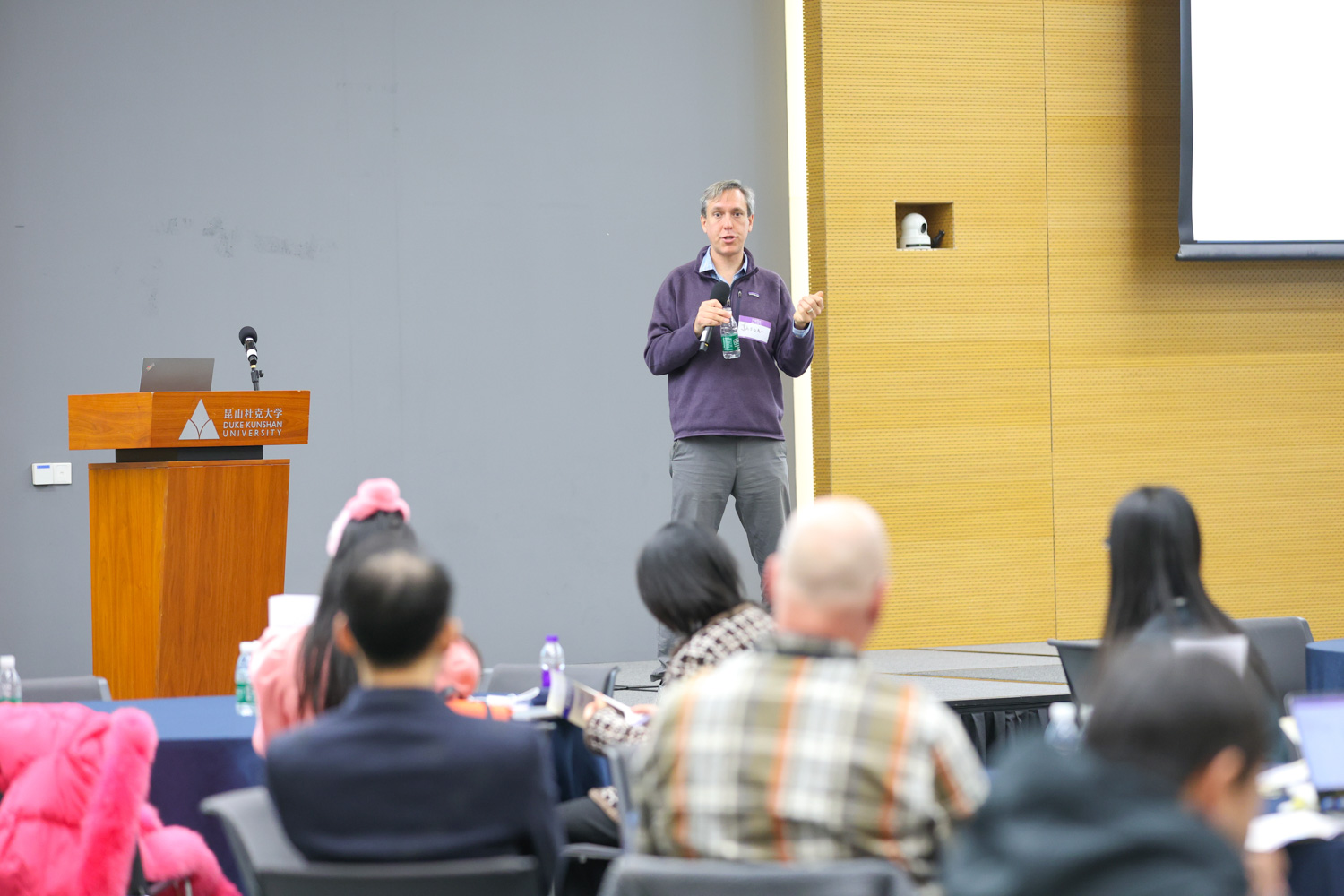
Jason Woodard, professor and co-director of the School of Innovation at the University of Hong Kong, delivered the keynote, calling on universities to build a “culture of shared responsibility” to bridge divides between disciplines, theory and practice, and academia and industry.
Students and faculty describe how learning actually happens
Sessions throughout the day explored how faculty and students navigate differences in academic backgrounds, learning styles and cultural expectations.
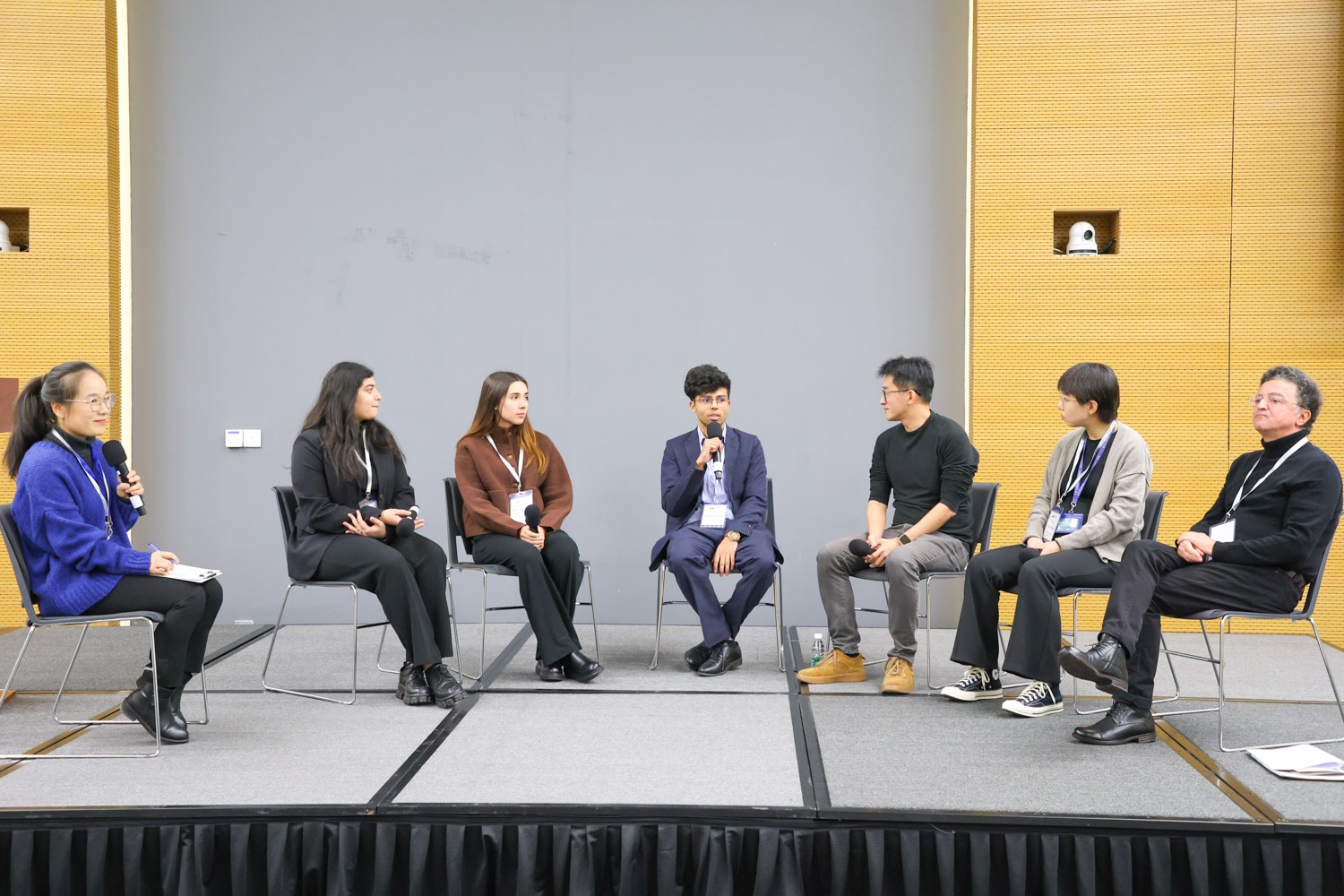
The morning panel paired student representatives — Emaan Asad (Class of 2028), Sofia Martínez Gallardo Quijano (Class of 2026) and Bikalpa Panthi (Class of 2027) — with faculty members Shan Wang, assistant professor of psychology; Paolo Epifani, professor of economics; and Paul Weng, associate professor of electrical and computer engineering.
Panthi said he often supplements lectures with online resources that are helpful “until they hallucinate,” emphasizing the need to verify information. Asad noted class discussions shape how she prepares for exams, while Martínez Gallardo highlighted “learning how to learn” across disciplines.
Weng said students sometimes gain an “illusion of understanding” when turning first to digital tools. Epifani stressed that education must encourage students to generate and apply knowledge, not simply recall it. Wang described critical thinking as “high-intensity cognitive work,” citing research linking such training to long-term cognitive health.
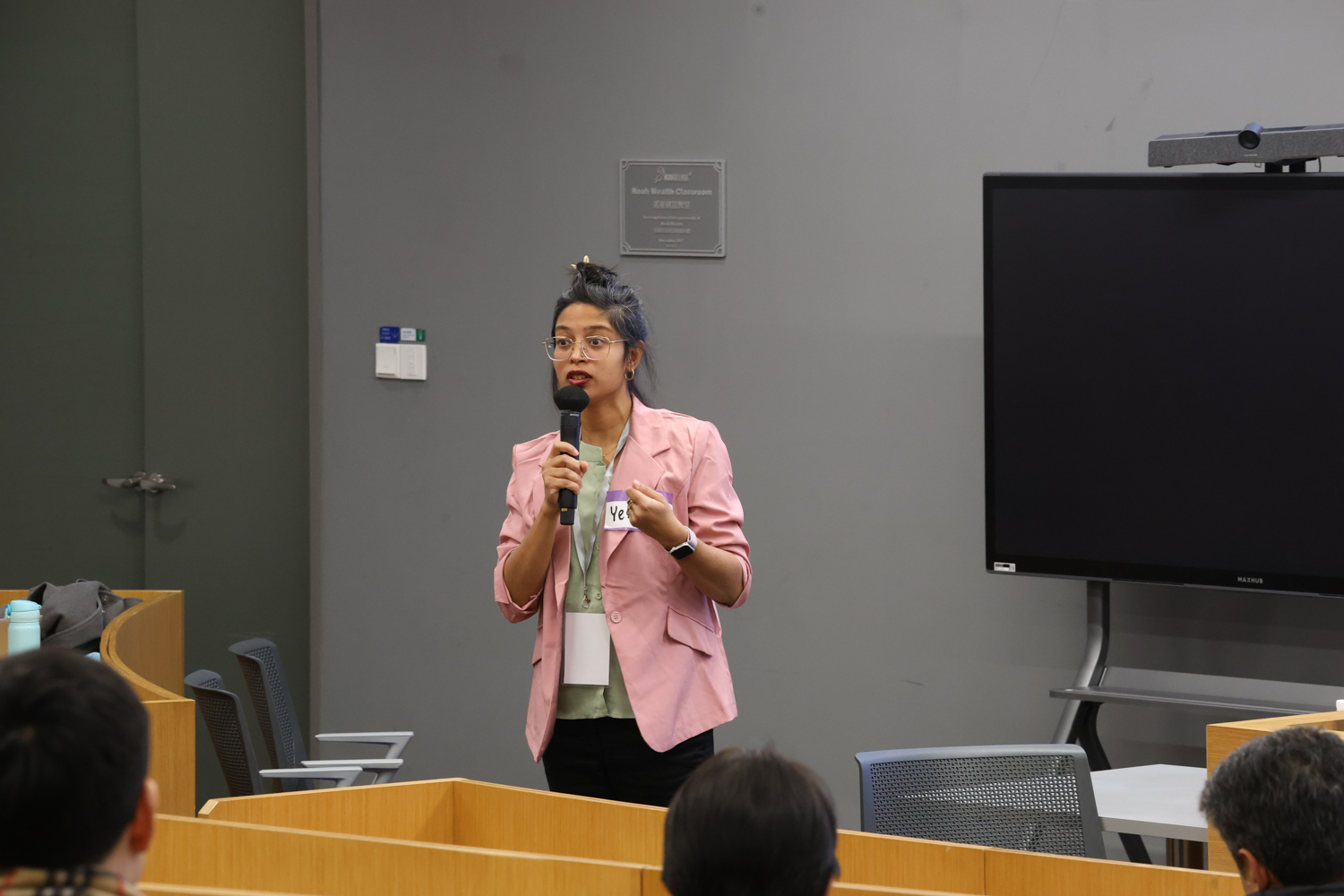
Other speakers examined how the physical and emotional tone of the classroom influences learning. Yeshim Iqbal, assistant professor of behavioral science, spoke about reintroducing device-free classrooms to encourage attention and connection, while psychology faculty discussed the cognitive demands of critical-thinking training. Several instructors emphasized the value of designing assignments that encourage independent reasoning rather than memorization.
Workshops highlight hands-on and reflective teaching
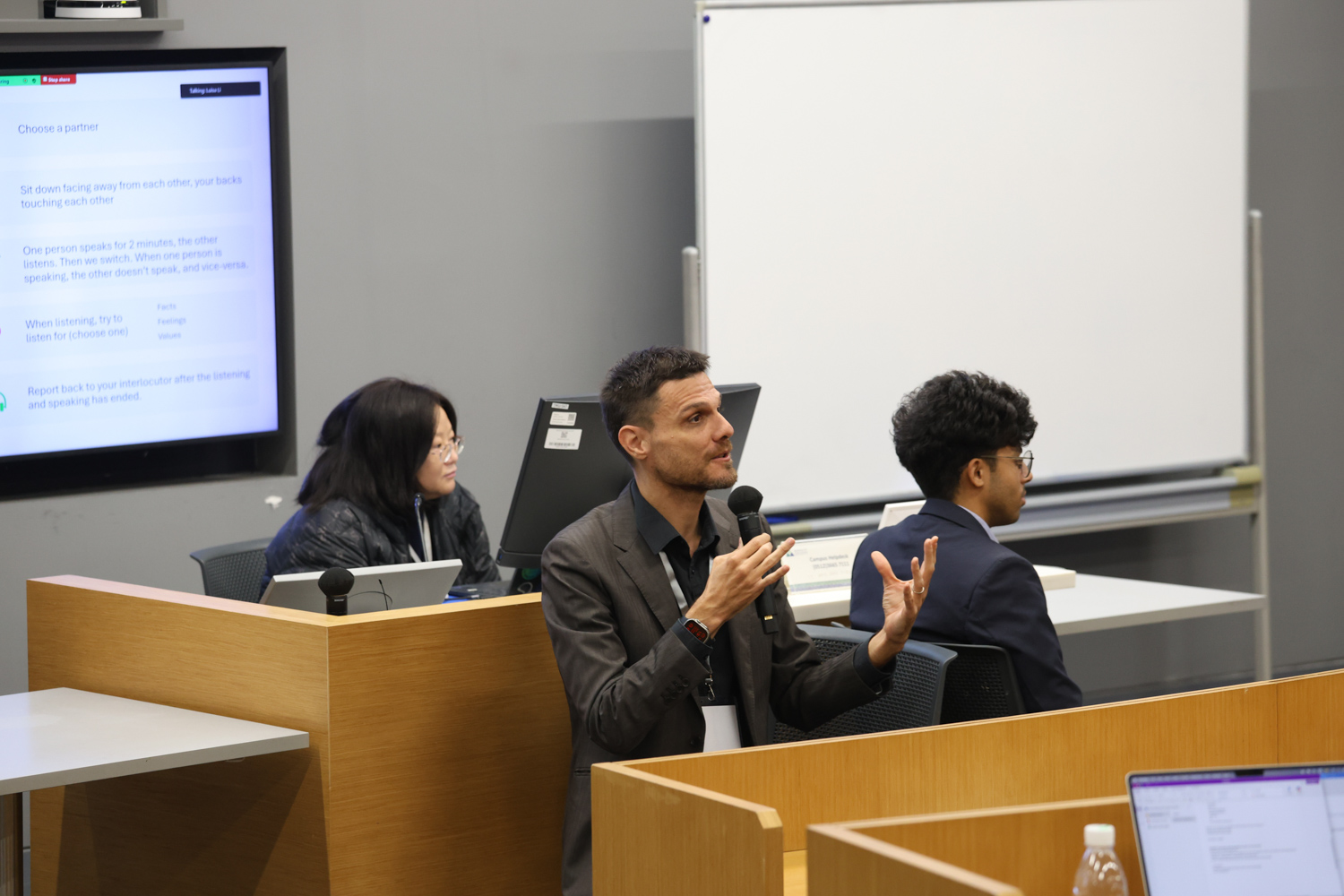
Afternoon sessions shifted toward hands-on demonstrations. One session, led by Ben Van Overmeire, assistant professor of religious studies, drew on Chinese pedagogical traditions to explore how mindful listening, Taiji breathing and other reflective practices can help rebuild focus in an age of distraction. Students helped facilitate portions of the session, underscoring the showcase’s emphasis on collaborative learning.
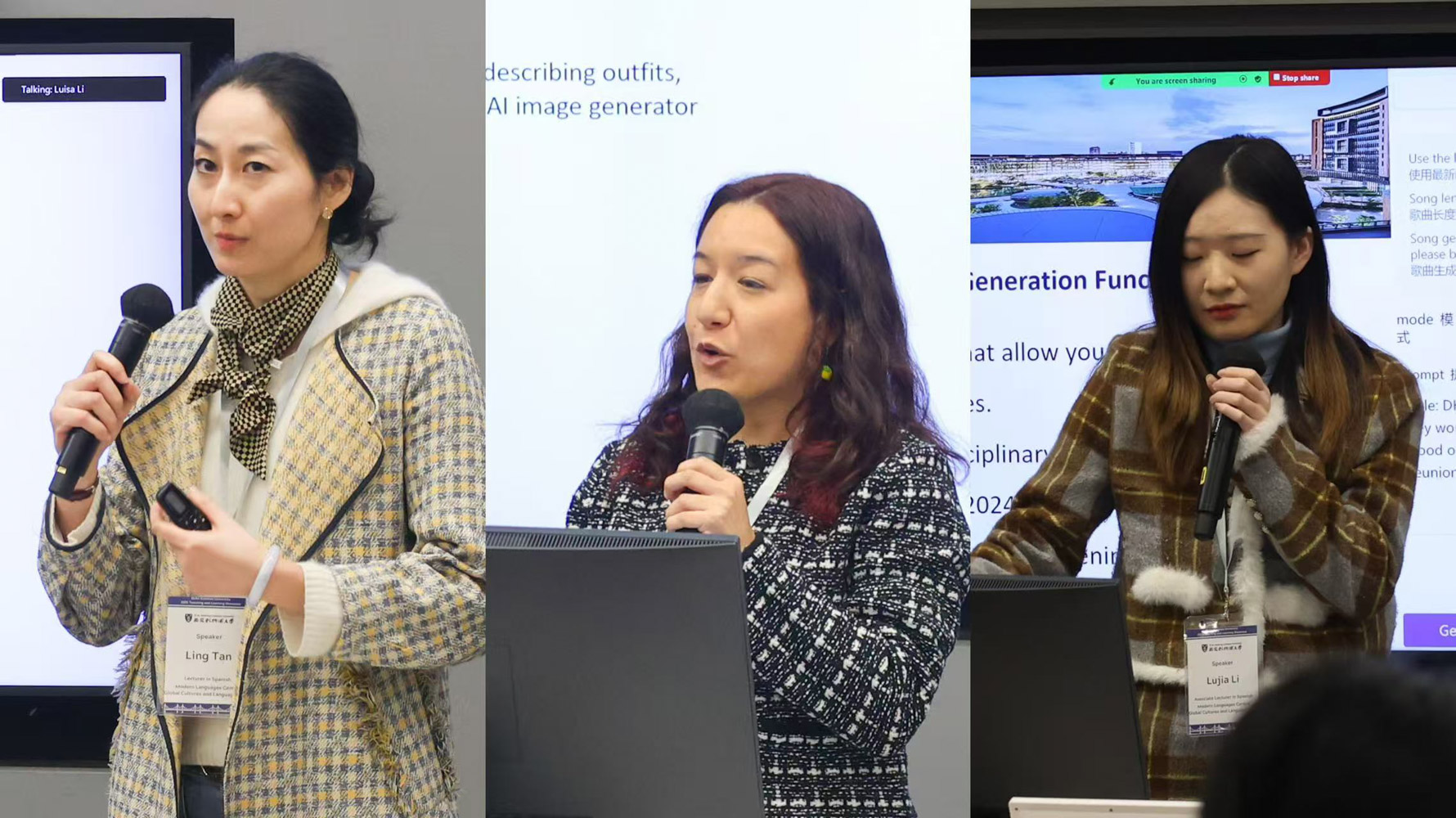
Educators from Xi’an Jiaotong-Liverpool University (XJTLU) also shared innovations in language instruction. The Spanish teaching team demonstrated how custom AI models generate level-appropriate practice materials for first-year learners, while multimodal tools — including AI-generated images, music and video — were used to create immersive learning experiences.
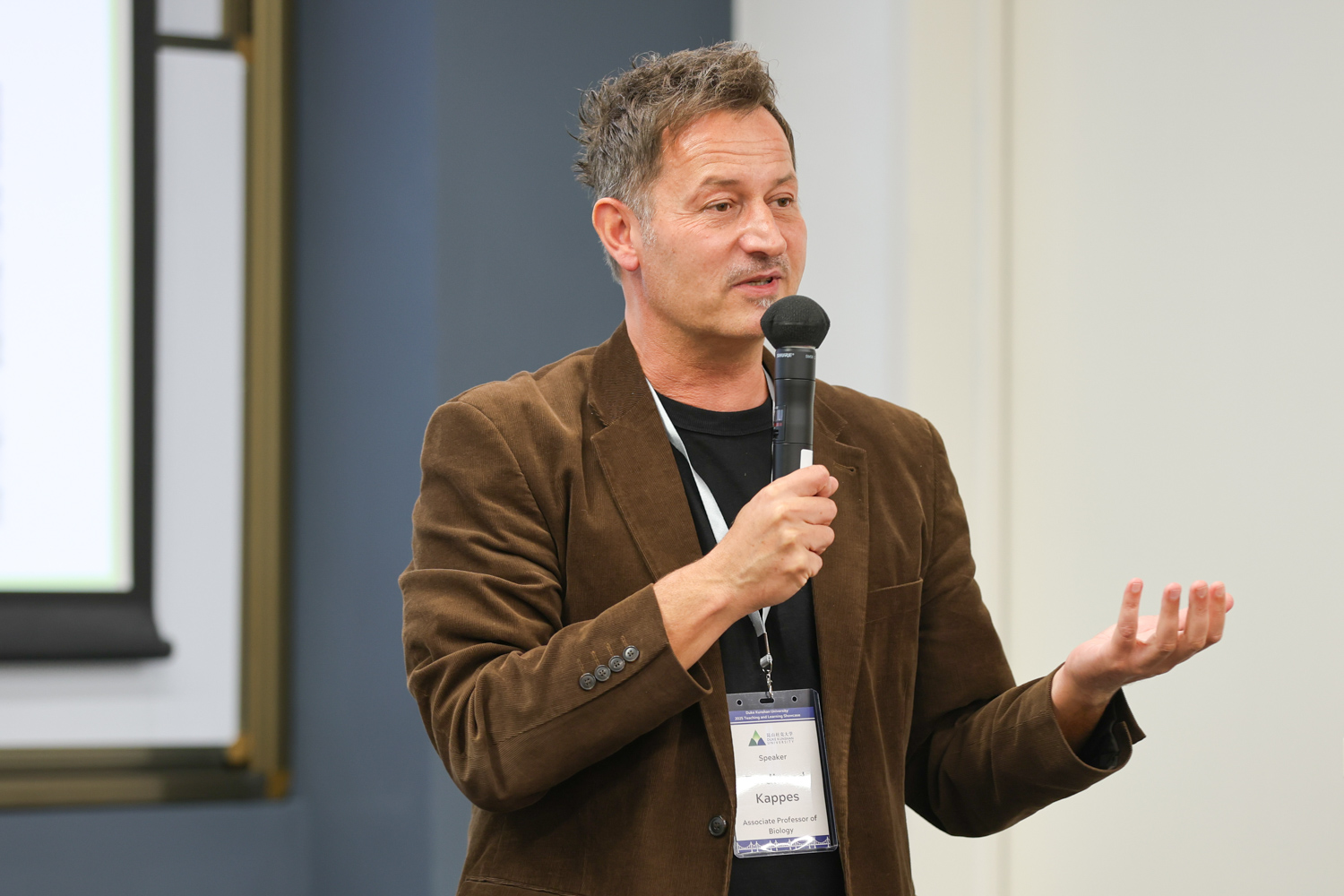
Ferdinand Kappes, associate professor of biology, compared scientific education to learning to ride a bicycle. Real learning, he said, begins only when students “get on the bike” — make mistakes, recover and try again. He encouraged students to join research labs early and view failure as integral to scientific growth.
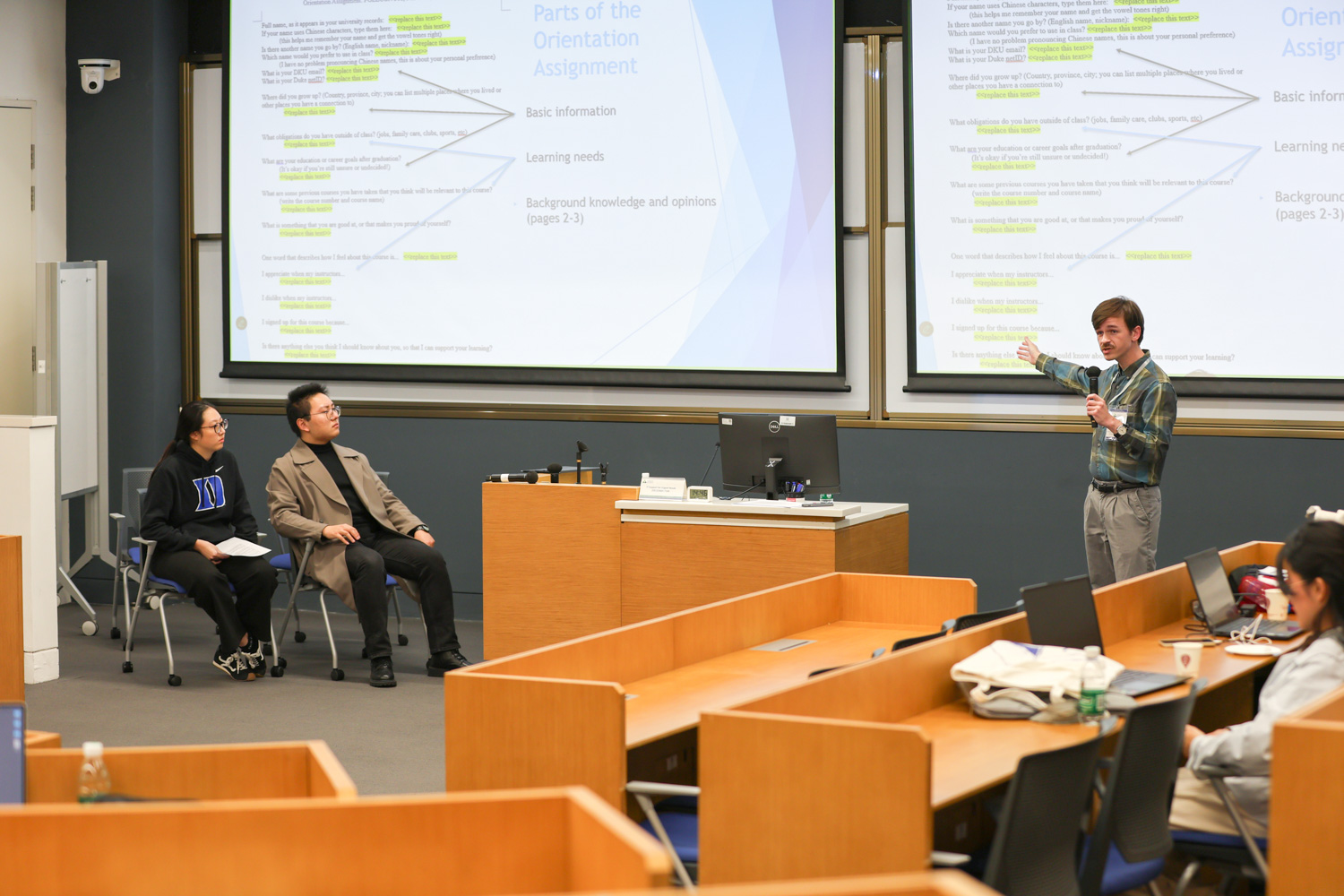
In a session on teaching diverse cohorts, Junius Brown, visiting assistant professor of political economy, described an orientation assignment that gathers students’ backgrounds, goals, and learning needs through a structured survey. Students said the approach made them feel visible and support in class.
English lecturer Layla Shelmerdine described gaps between polished homework and weaker in-class writing. She said some students rely on digital summaries rather than reading original texts, calling for more transparency in writing processes and better training on academic integrity.
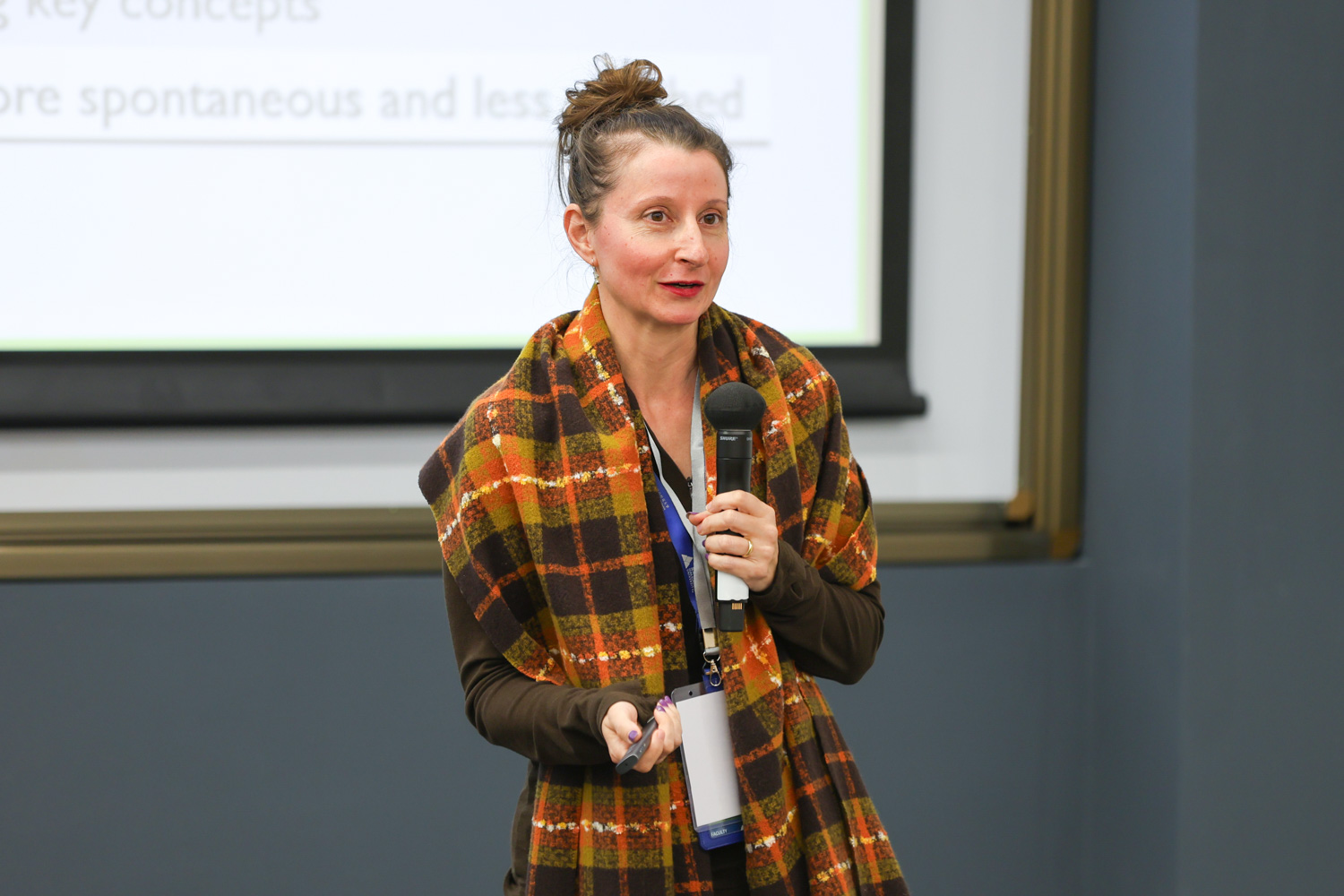
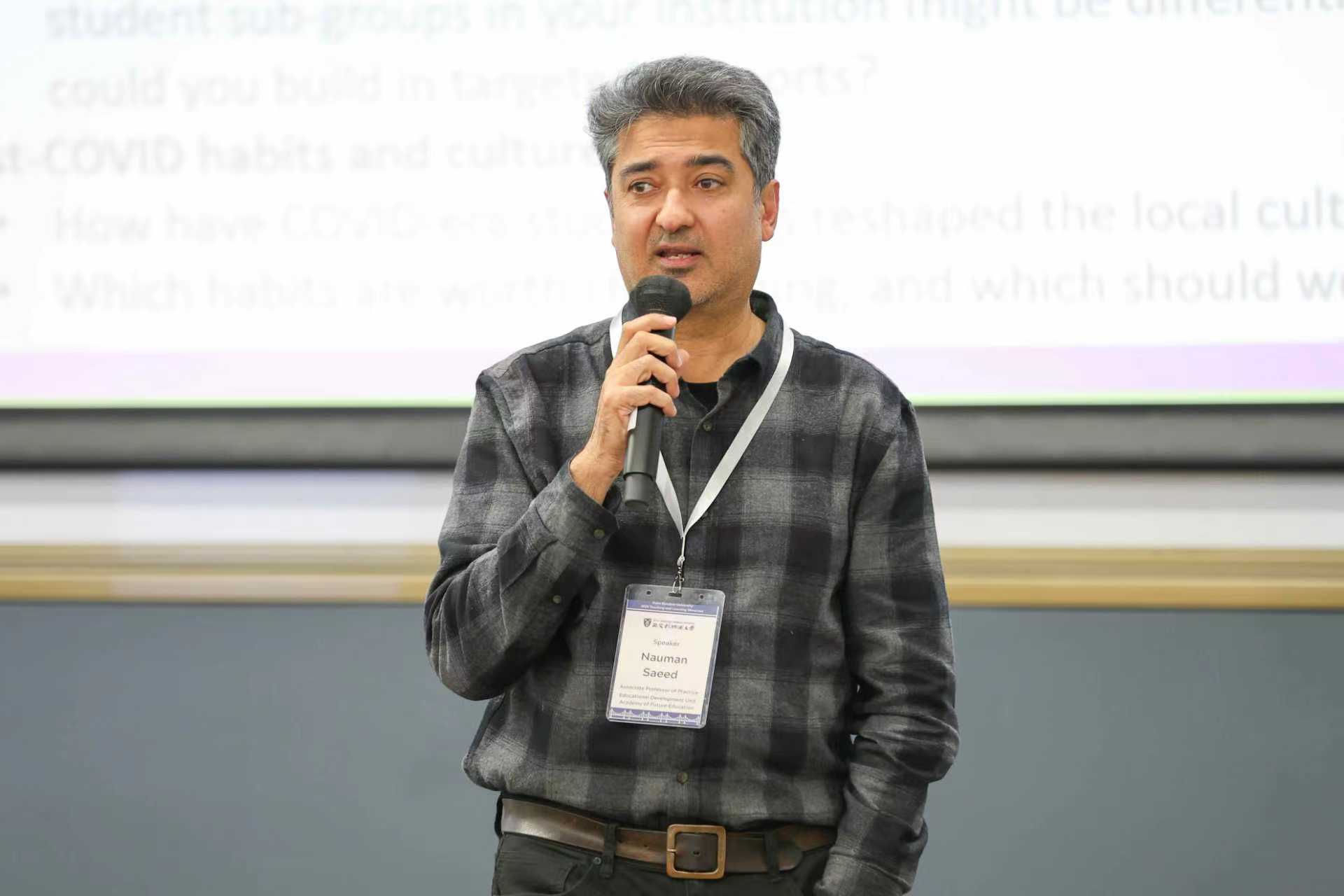
Nauman Saeed, associate professor at XJTLU, addressed the challenge of declining post-pandemic class attendance across institutions. He said attendance depends not only on format but also on course relevance, instructional quality and students’ self-management skills, stressing that strategies must be adapted to the norms of each discipline.
Graduate pathways and industry needs
A panel on graduate admissions featured Anastasia Tsigkou, associate professor of biology; Changcheng Zheng, associate professor of physics; and Benjamin Bacon, associate professor of media and arts, alongside Career Services Director Tracy Xu.
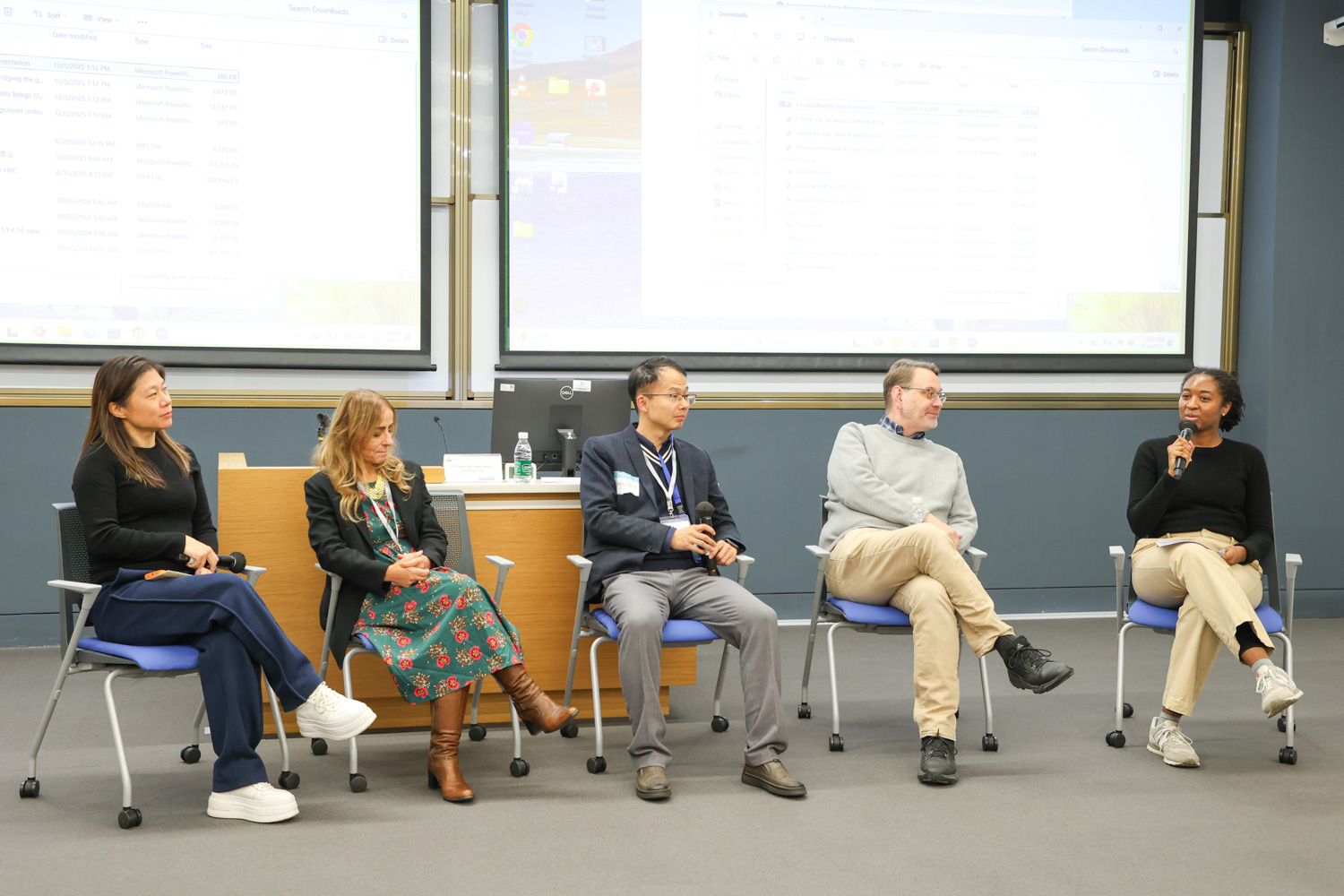
The group explained that master’s programs work best for students seeking practical skills or career shifts, while doctoral programs are suited to those with strong research motivation. Xu also noted that employer demand for AI-related skills among DKU graduates rose 149 percent this year, with both technical and nontechnical roles requiring some level of human–AI collaboration.
Students presenting on the academia–industry gap called for clearer career pathways, more applied coursework, and projects that produce meaningful portfolio pieces.
Community-based learning
Community-engaged projects were also showcased throughout the day. In the course “China Ethnography,” taught by Keping Wu, associate professor of anthropology, students conduct fieldwork in Dayu New Village, the community that once occupied the land now home to DKU’s campus. Students tutor local children, attend community events, and interview residents as part of their ethnographic research.
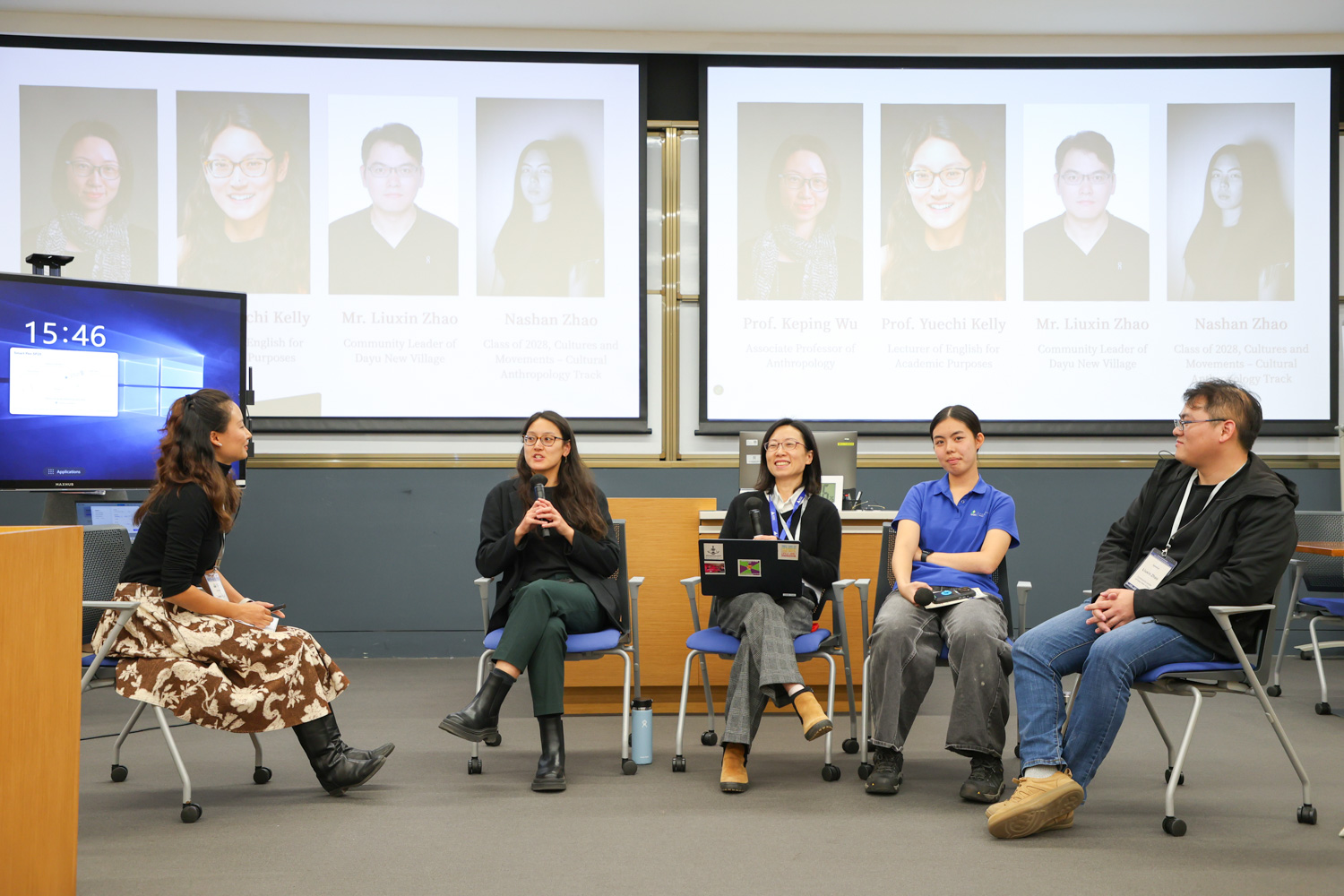
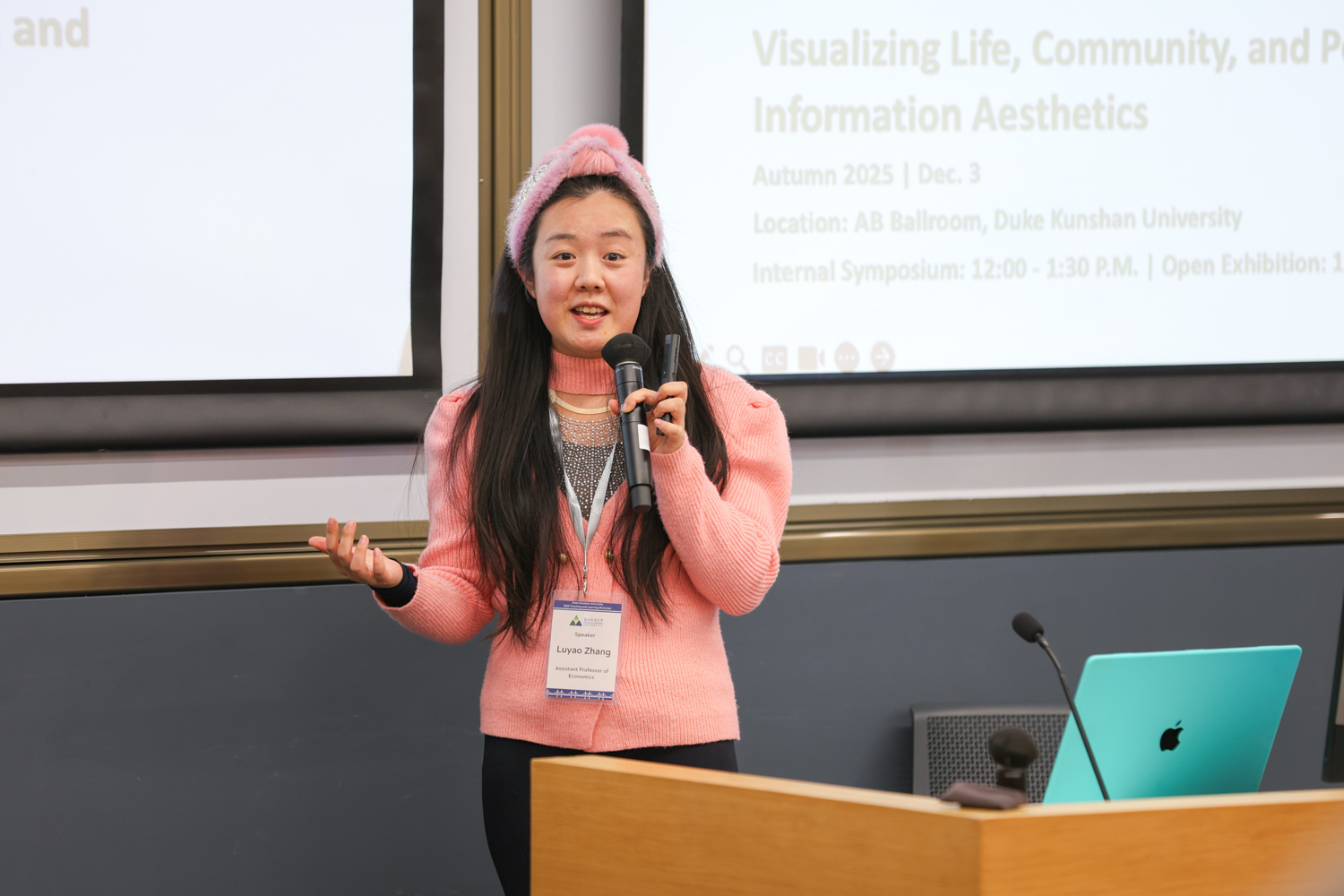
Another project, led by Luyao Zhang, assistant professor of economics, presented digital humanities collaborations with the Zhouzhuang Mystery of Life Museum. Students created bilingual interactive maps, educational tools and AI-supported exhibits to strengthen public engagement and cultural preservation.
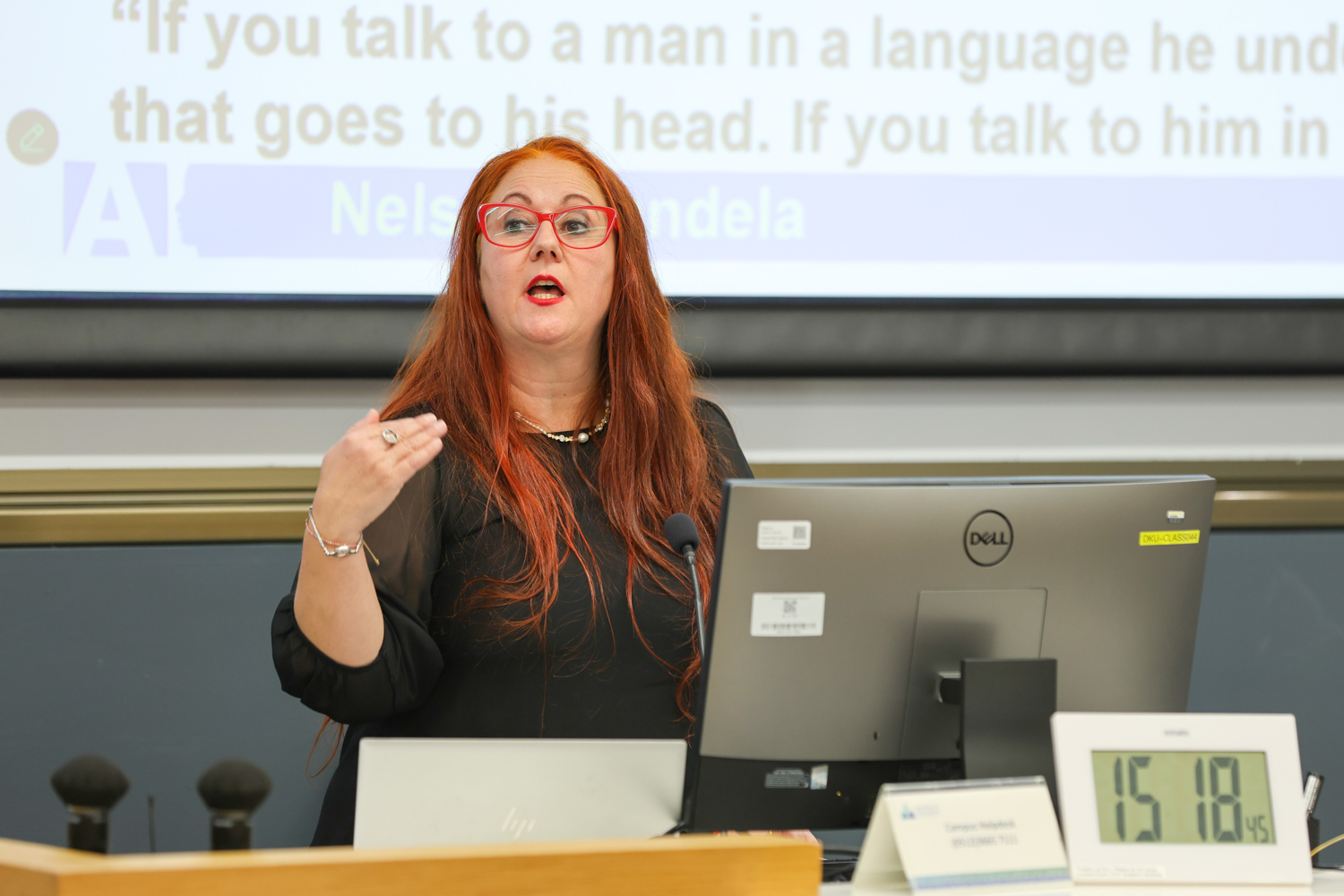
Roser Cervera, director of the Language Centre at the University of Nottingham Ningbo China, closed the language-learning track by noting that while digital tools can accelerate practice, they cannot replace the cultural understanding and empathy at the heart of language learning.
The showcase was organized by DKU’s Center for Teaching and Learning.
